




Popular

New photos have confirmed that at least some U.S. Air Force A-10C Thunderbolt II attack aircraft have been equipped with the Link 16 tactical data link.
The Aviationist aviation-focused outlet reported on this.
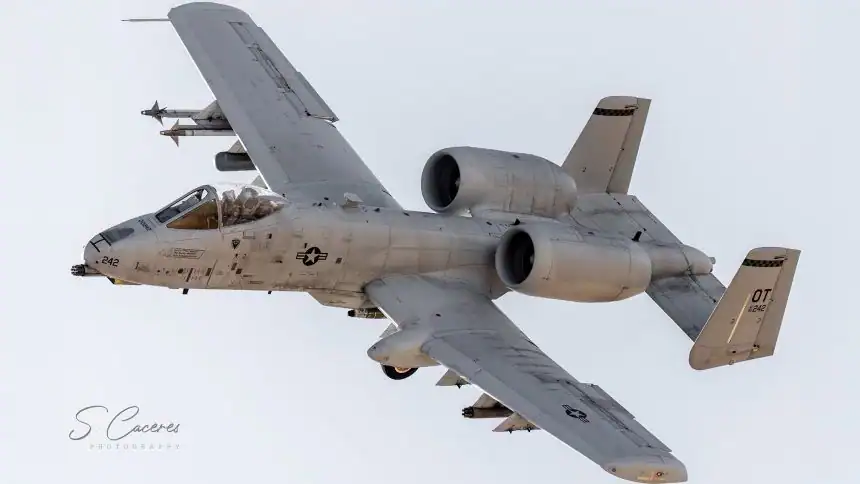
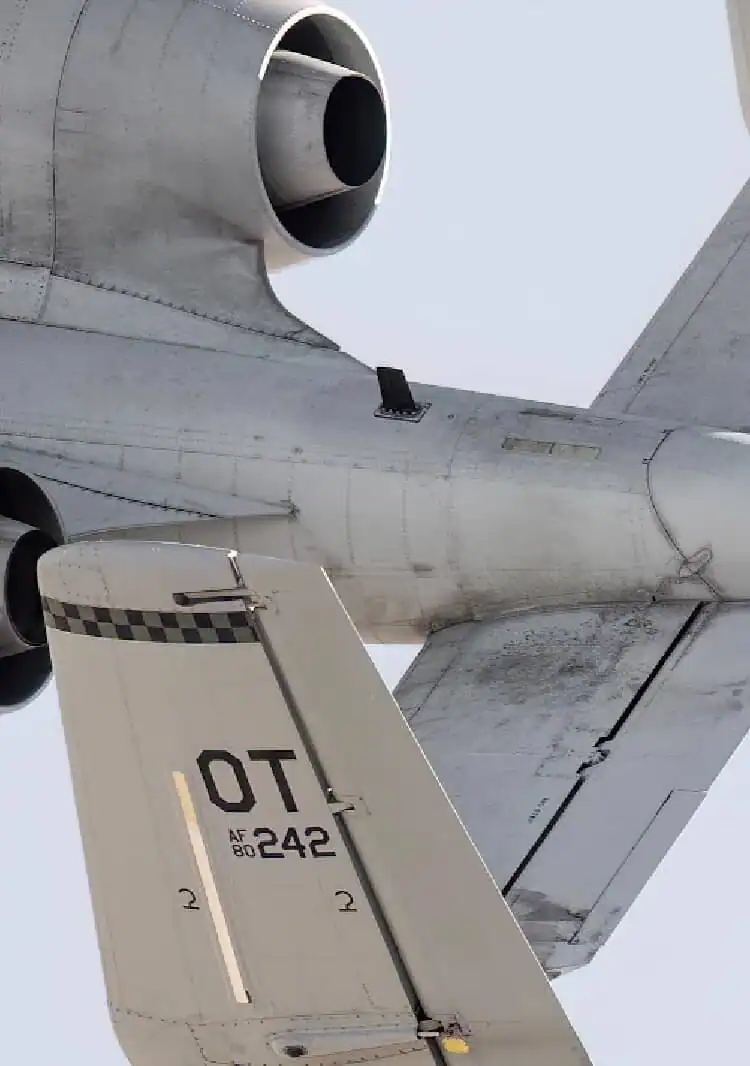
According to the report, photos taken at several U.S. air bases, including Nellis Air Force Base in Nevada, show that the system has already been installed on multiple aircraft. The newly added antenna closely resembles the existing TACAN antenna, making it difficult to distinguish between the two.
Link 16 is a tactical data exchange system designed to transmit and share information in near real time among network participants. The system uses a TDMA (Time Division Multiple Access) architecture, allowing multiple users to exchange data simultaneously across different networks without mutual interference, while maintaining a common and coordinated tactical picture.
Over the years, Link 16 has become the benchmark against which other secure aviation data links are measured. The U.S. Air Force has repeatedly stated that the system has saved lives in numerous theaters of combat, largely due to a significant increase in situational awareness for aircrews and command-and-control elements.
Compared to other forms of communication, Link 16 provides a significantly higher level of security and resilience in environments with active electromagnetic warfare. The system offers strong resistance to jamming, supports a larger volume of transmitted data, and enables much more intensive information exchange among users.
In addition to data transmission, Link 16 provides secure voice communications, relative navigation functions, as well as precise identification and location tracking of network participants. This enhances force integration and survivability in complex combat conditions.
Although most U.S. tactical aircraft have long been equipped with Link 16, the A-10 only recently received this system as a supplement to the existing Situational Awareness Data Link (SADL). SADL was introduced as part of the Precision Engagement upgrade, after which the aircraft was redesignated from the A-10A to the A-10C.
However, only a very limited number of platforms currently fully support SADL, creating communication gaps in areas where A-10s frequently operate – both within the United States and in active combat zones.
In 2019, a modernization roadmap for the A-10C was outlined, which included a range of planned upgrades, from cockpit improvements to expanded sensor and communications capabilities. Not all of these plans were implemented, however, due to decisions to gradually retire the aircraft, technical limitations, budget priorities, and changing operational requirements.
One of the most noticeable – but ultimately unrealized – upgrades was the replacement of the outdated cockpit with a modern configuration featuring six 6×8-inch displays, intended to provide the pilot with a unified and contemporary interface. At the same time, some modernization efforts were implemented, albeit on a limited scale.
Notably, the completion of Link 16 integration has not been officially announced. According to sources cited by the publication, only a small number of aircraft received the upgrade, with such A-10s observed at Moody Air Force Base in Georgia and Whiteman Air Force Base in Missouri.
Підтримати нас можна через:
Приват: 5169 3351 0164 7408 PayPal - [email protected] Стати нашим патроном за лінком ⬇
Subscribe to our newsletter
or on ours Telegram
Thank you!!
You are subscribed to our newsletter