



Popular

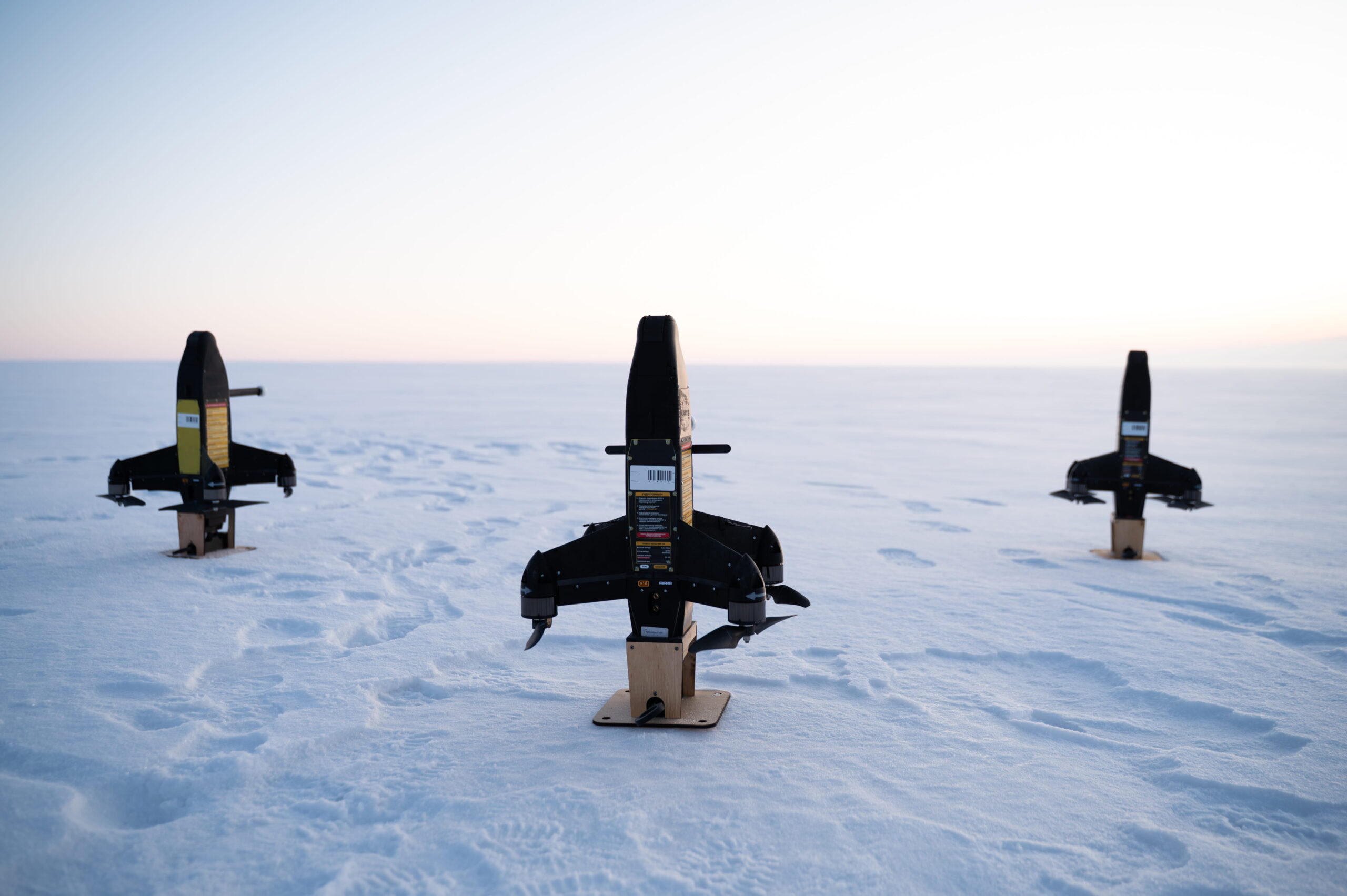
The developers of the Frontyr drone are working on reducing the cost of the complex, integrating a homing system and confirming the operation of the repeater.
A representative of the company told Militarnyi correspondents about this during the Brave1 Demo Day.
“Previously, we had only our attack drone. Now everyone realizes that we need to work with a transponder, so we made a transponder. What else we are focused on now is reducing the cost,” emphasized Andrii, a company representative.
The developers note that the drone can fly on an autonomous mission, in radio silence, and before hitting the target, the video is turned on and the operator hits the target. The warhead weighs 4 kilograms.

Frontyr also has a homing system, but it is not yet in use. It is stated that the military needs a high-quality and guaranteed image, so tests are ongoing.
Militarnyi first met the developers in October 2024 during Defense Tech Valley 2024. Back then, the drone was made using 3D printing. Now the wings are being replaced with foam ones.

“Our wings have changed. Previously, we used to print wings by 3D printing. Now we use cheap foam. And it’s also good for storage – no moisture is collected. Quality wings and quality performance when hitting the target,” a company representative said.
The drone has proven its performance when used by the military. But in accordance with soldiers’ requirements, the developers are working to make the system as mobile and simple as possible.

“Our concept is to be as mobile as possible. In a small minivan, we can fit two repeaters and eight shots. We can work in a group of three or four people, but we also have a request to reduce it to three. Working in a mobile way, at a safe distance, is also our mission. Now the enemy is hunting our crews, so we are increasing the distance so that our guys can work in safety,” said a Frontyr representative.
The drone was tested during the second stage of Brave1 Demo Day. The task is to test airplane-type kamikaze drones that can hit targets at a distance of 40+ km and work with an airborne repeater.
Only those drones that meet the stated terms of reference will be allowed to enter the final stage of the test. The full list of requirements for manufacturers is not disclosed for security reasons.
Also demonstrated during the tests were the Virtus strike drones of the German company Stark-Defence and twin-engine Darts.
Підтримати нас можна через:
Приват: 5169 3351 0164 7408 PayPal - [email protected] Стати нашим патроном за лінком ⬇
Subscribe to our newsletter
or on ours Telegram
Thank you!!
You are subscribed to our newsletter