


Popular
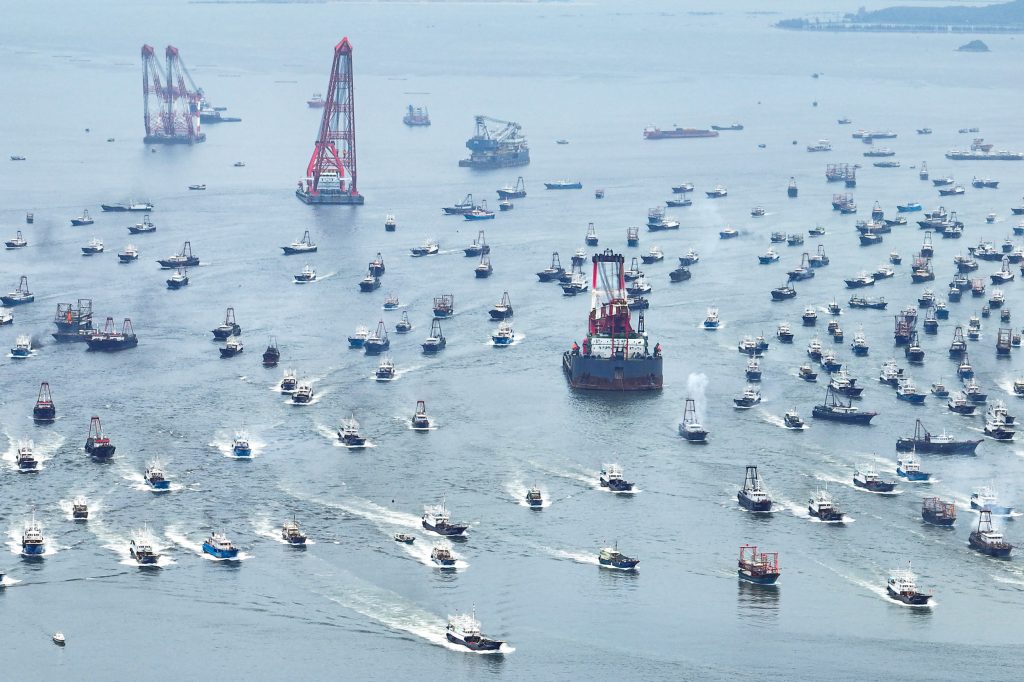
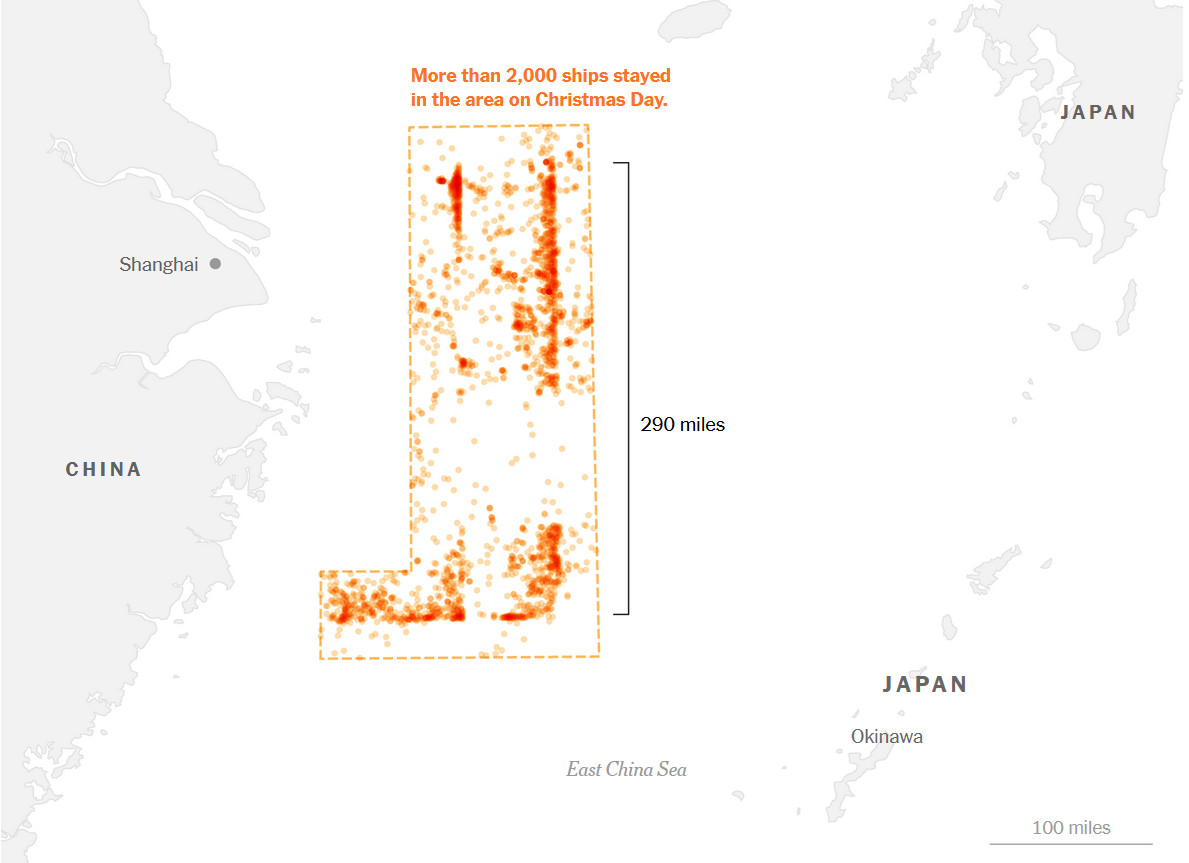
In recent weeks, global analysts and companies specializing in maritime intelligence have drawn attention to large concentrations of Chinese fishing vessels in China’s exclusive economic zone and near Taiwan.
Based on a thorough study of the actions of these fleets and their impact on commercial shipping in the region, most experts agree that the maneuvers of fishing vessels are a rehearsal for a possible naval blockade of Taiwan, obstruction of commercial shipping, and the creation of potentially dangerous situations to study the reaction of the global maritime community to them.
From my personal experience working in the region over the last decade, I can note the following changes in the technological support of fishing fleets.
This is the widespread introduction of AIS (Automatic Identification System), which is installed not only on fishing vessels, but also on fishing gear such as net barriers. With the available option to enter any information into the transmitters and create a virtual signal (when the AIS symbol is transmitted from an external medium to the corresponding coordinates). This element allows you to create the illusion of presence and navigational obstacles without the physical presence of fishing vessels.
This also includes the use of laser lights (not a conventional or permitted means of signaling at sea). Such lights can blind the watch on the bridge of a merchant ship, affecting their ability to make decisions in a potentially dangerous navigational situation and leading to an accident.
Another factor is the ability of fishing vessels to operate in pairs and in groups. Creation of corridors, walls, and barriers. Dangerous maneuvers in violation of the COLREG (International Regulations for Preventing Collisions at Sea) convention. It should be noted that vessels engaged in fishing have priority rights under these rules because fishing gear such as trawls reduce a vessel’s ability to maneuver safely and in a timely manner.
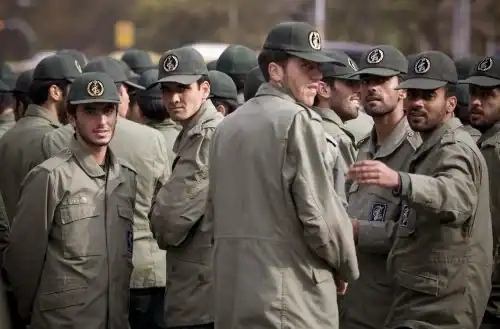
Another feature of the Chinese fishing industry is that the vessels and crews are part of the so-called Maritime Militia, which is subordinate to the military and political leadership of the respective provinces. This is an active reserve, ready to be involved in naval operations without additional training and re-equipment. The crews of ships and fleets have a clear disciplinary hierarchy, relevant professional experience, and related skills. The crew of a fishing trawler needs one mine warfare specialist on its staff and is already ready to be used as a minesweeper or mine blocker. In addition, the crews’ knowledge of local climatic and hydrographic features should be considered.
From personal experience, I can recall cases when, during navigation accidents provoked by vessels of the PRC fishing fleet, other crews of the flotilla resorted to boarding merchant ships involved in the accident in order to detain them until the arrival of PRC coast guard vessels.
Considering all of the above, it can be noted that the activity of fishing fleets in this format, during the winter season, in difficult meteorological conditions, is a rehearsal of the A2/AD element – Denial of access at sea in potential future naval operations, where fishing fleets and Ro-Ro ferries act as an active reserve of the first category and will be involved on a par with the PLA Navy and the Chinese Coast Guard.
The most common method used by fishing vessels to influence the movement of commercial vessels is to build “corridors” of vessels or buoys with AIS, but in cases where such a vessel is looking for a relatively open space to cross such a corridor, fishing vessels may resort to a “pincer” maneuver, where two fishermen accompany a commercial vessel on a parallel course and speed, on both sides, and due to the risk of collision, such a vessel is forced to repeat the course set by the fishermen. In some cases, fishing vessels engage in dangerous maneuvers in violation of COLREG rules, such as crossing the course at a short distance, or changing course or stopping when on the course line of a commercial vessel. It should be understood that if such a situation leads to an accident, the decision on fault will be imposed on the commercial vessel, as the investigation will be conducted by the Chinese coast guard, which not only performs law enforcement and military functions but is also the authority responsible for monitoring the operation and compliance with navigation rules in the region.
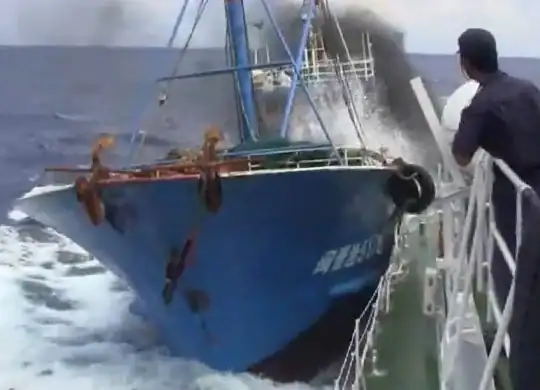
It should be noted that fishing vessel crews are willing to take risks, even during the normal fishing season, which may indicate the same willingness to take risks when acting as part of naval formations to enforce a blockade or influence commercial shipping routes in the region.
In general, the Chinese military and political leadership follows a classic strategy of maritime presence, where the elements of a state’s maritime power — the navy, commercial fleet, and fishing fleet — are components of a single mechanism for controlling the sea and preventing its use by a rival or potential adversary. This approach poses a serious challenge for countries with market economies, where commercial or industrial maritime capabilities are privately owned and, in the event of an escalation of conflict, can be withdrawn without the possibility of intervention by the defense forces of the state concerned.
Підтримати нас можна через:
Приват: 5169 3351 0164 7408 PayPal - [email protected] Стати нашим патроном за лінком ⬇
Subscribe to our newsletter
or on ours Telegram
Thank you!!
You are subscribed to our newsletter