


Popular

The downside of diffusion. In the previous text, I concluded that the enemy’s tactics of penetration-infiltration (call it whatever you want) deep into sparse defenses demonstrates that a process of diffusion is taking place on the battlefield, when troops break the very concept of the contact line.
Penetration sometimes becomes mutual, which means that there is a flip side to the coin for the enemy, because if our forces penetrate between combat formations, the enemy no longer controls this process. They also run the same risks, their fighters run into groups of our fighters and suffer losses.
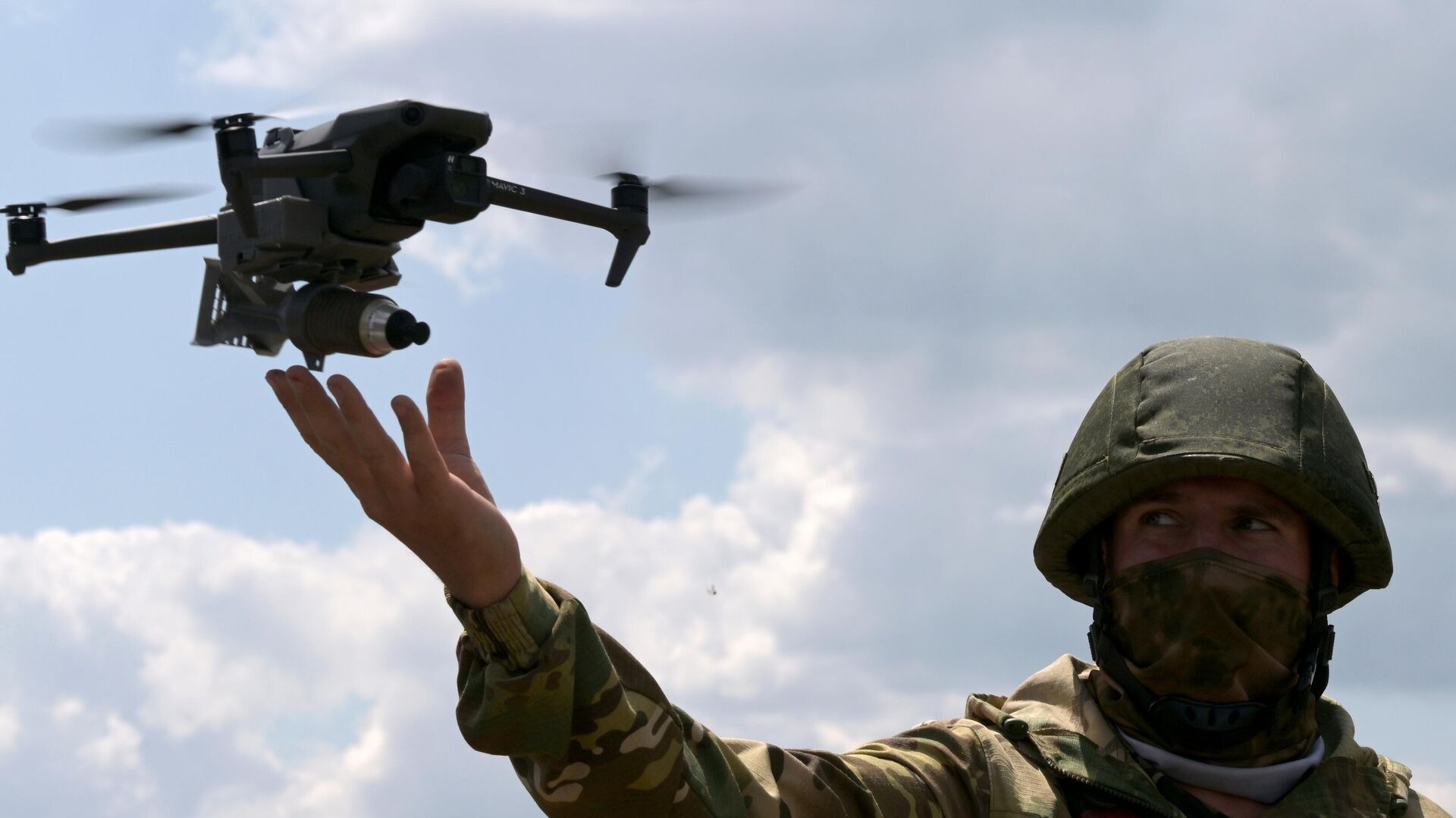
The fact is that no matter how many fighters the Russians throw into the gaps, they still form a sparse mass of forces that do not have constant communication with their rear, do not act as a unit, but rather as dispersed groups dependent on the situation. They are dependent on supply by air. Logistics with drones is limited in its carrying capacity and is not guaranteed, because the drone crew that is supposed to deliver the parcel may not be able to fulfill the logistical task for various reasons.
As the Russians are implementing infiltration tactics to disrupt our defense in an offensive manner, these movements are causing a likely larger gap in communications. Russians are trying to close this gap by cutting off our logistics. Unfortunately, not without success, given their systematic work in this direction, combined with the improvement of their technological component, increasing the distance of flight and the effectiveness of the use of drones. In this way, they are trying to take control of ground logistics routes and isolate infiltration zones.
I assume that the plan may be that in the area of interest, where they infiltrate, their drones block logistics, rotations, evacuations, etc. to the extent that it allows them to accumulate their fighters in the diffusion zone to the point where it is impossible to systematically hold it. In order to eventually displace the defenders or isolate them in their positions cut off from their own rear. Perhaps the enemy hopes that over time they will accumulate a critical number of their soldiers in a certain area to take full control there.
In general, from an organizational point of view, all this is quite a serious job. It must be a difficult task to control the attackers who have penetrated our defense. Although the Muscovites should have enough man-hours to plan routes, points, etc. Presumably, along with provisions, they are sending their fighters batteries for walkie-talkies, through which they receive information about the group’s status and transmit commands. The advancement in certain areas can be visually monitored by reconnaissance drones on the front line.
From my own experience in Bakhmut, I can say that a group of mavericks can be very mobile with a relatively small amount of equipment. At the same time, unlike the assault troops, they have better access to foot logistics to support their work. It has long been no secret that the Russians have starlinks and are using them successfully.
Then the enemy has options. Instead of infiltration, they can organize full-fledged assaults where they are stuck or where there is a chance of a breakthrough. Or they can continue to infiltrate and disorganize our defense. Different techniques can be used from one area to another. I think it is worth analyzing how this works in urban areas and in rural areas separately.
All of this serves as a reminder that the Russians are constantly learning and have gained a lot of experience in this war. They continue to use it against us and are capable of using it against those who are less prepared to face such an enemy than we are.
Підтримати нас можна через:
Приват: 5169 3351 0164 7408 PayPal - [email protected] Стати нашим патроном за лінком ⬇
Subscribe to our newsletter
or on ours Telegram
Thank you!!
You are subscribed to our newsletter