


Popular

The main military threat to Lithuania and to NATO’s eastern flank as a whole is commonly considered to be the Suwałki Corridor. This is the section of the Polish-Lithuanian border that runs between Belarus and Russia’s Kaliningrad region.
From a military standpoint, it is a strategically important area. In the event of a potential military operation by Russia and Belarus, the seizure of the Suwałki Corridor would cut the Baltic states off from land access to their NATO allies.
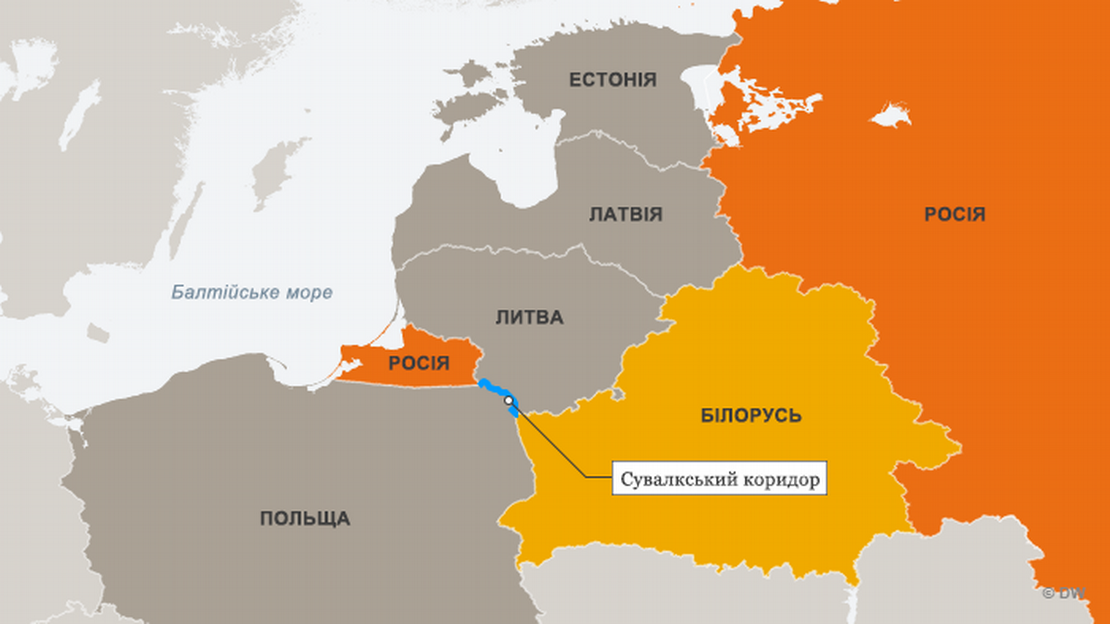
The likelihood of such an operation and the possible responses to it have been regularly practiced during NATO exercises. After Russia’s invasion of Ukraine, these scenarios started to be taken much more seriously. To strengthen NATO’s military presence in the region, in 2025, the Bundeswehr’s 45th Armored Brigade was deployed in Lithuania (near the city of Kaunas). The unit is expected to reach full combat readiness in 2027.
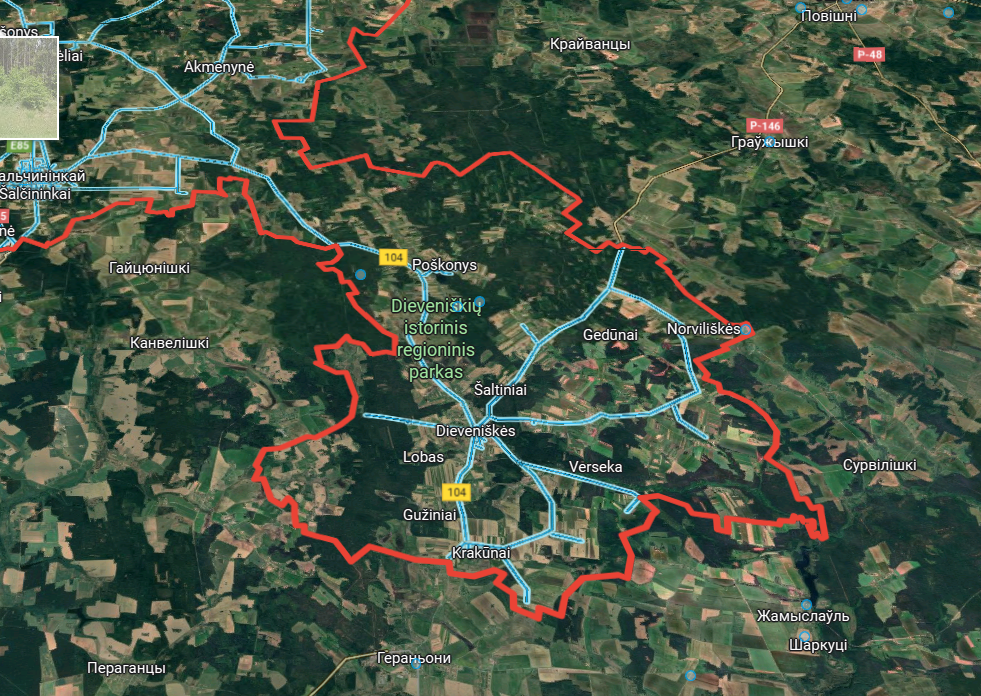
However, when considering military threats to Lithuania, attention can also be drawn to another region that could potentially become the target of a hybrid attack from Russia and Belarus—the Lithuanian border area around the town of Dieveniškės:
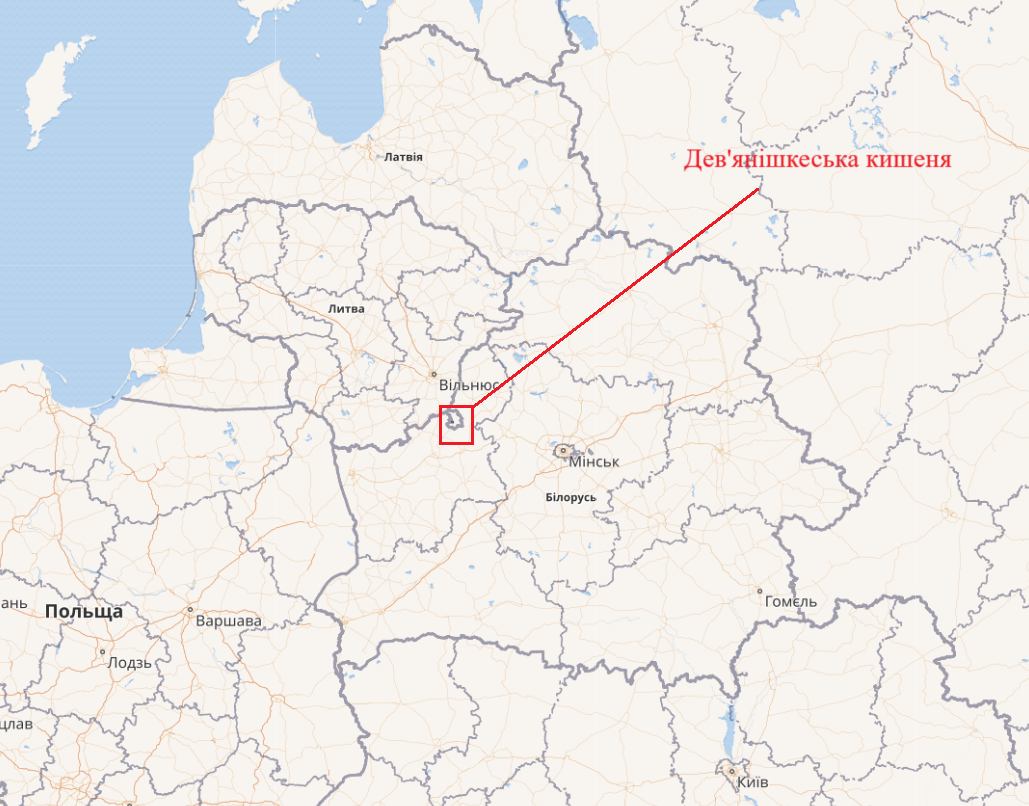
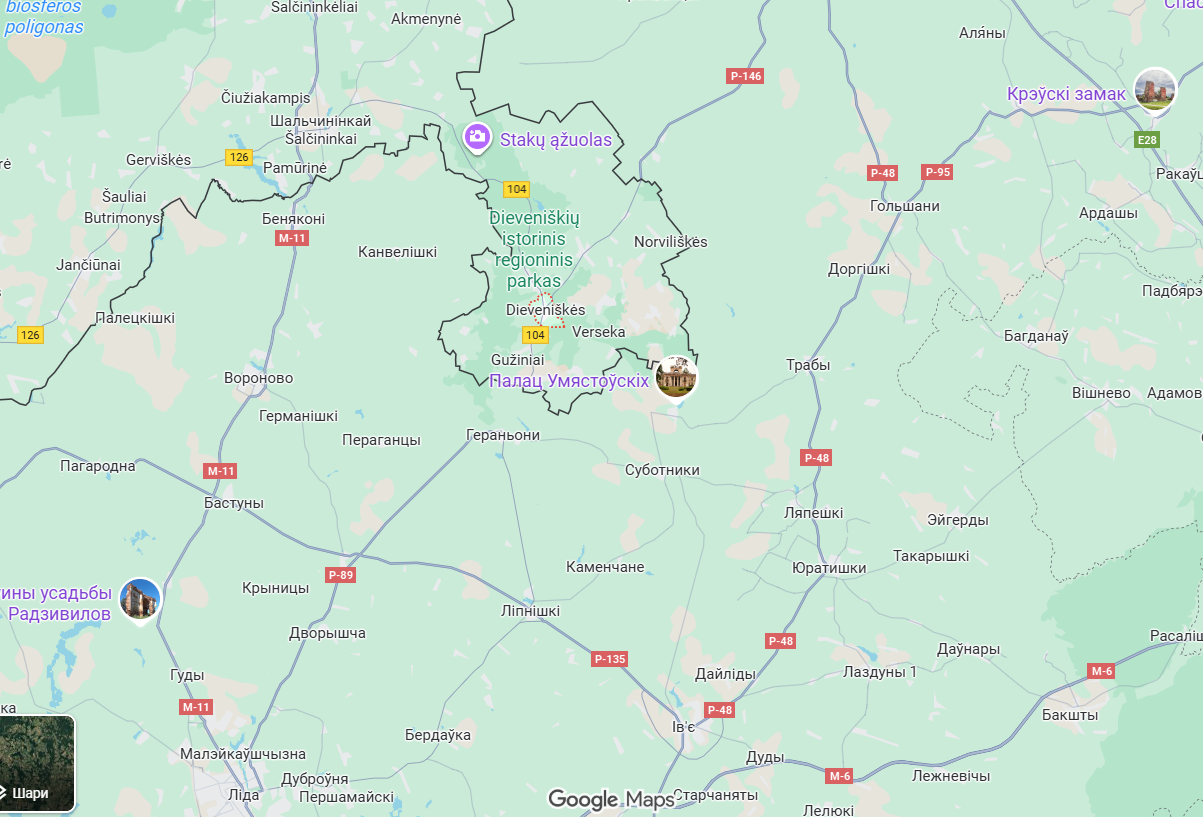
What might make this region interesting to an aggressor? The “Dieveniškės Pocket” (a conventional name) is a region in eastern Lithuania, comparable in size to the capital, Vilnius, together with its suburban areas, which is quite large by Lithuanian standards. This area has highly favorable geographical features for conducting special (hybrid) operations. These features include:
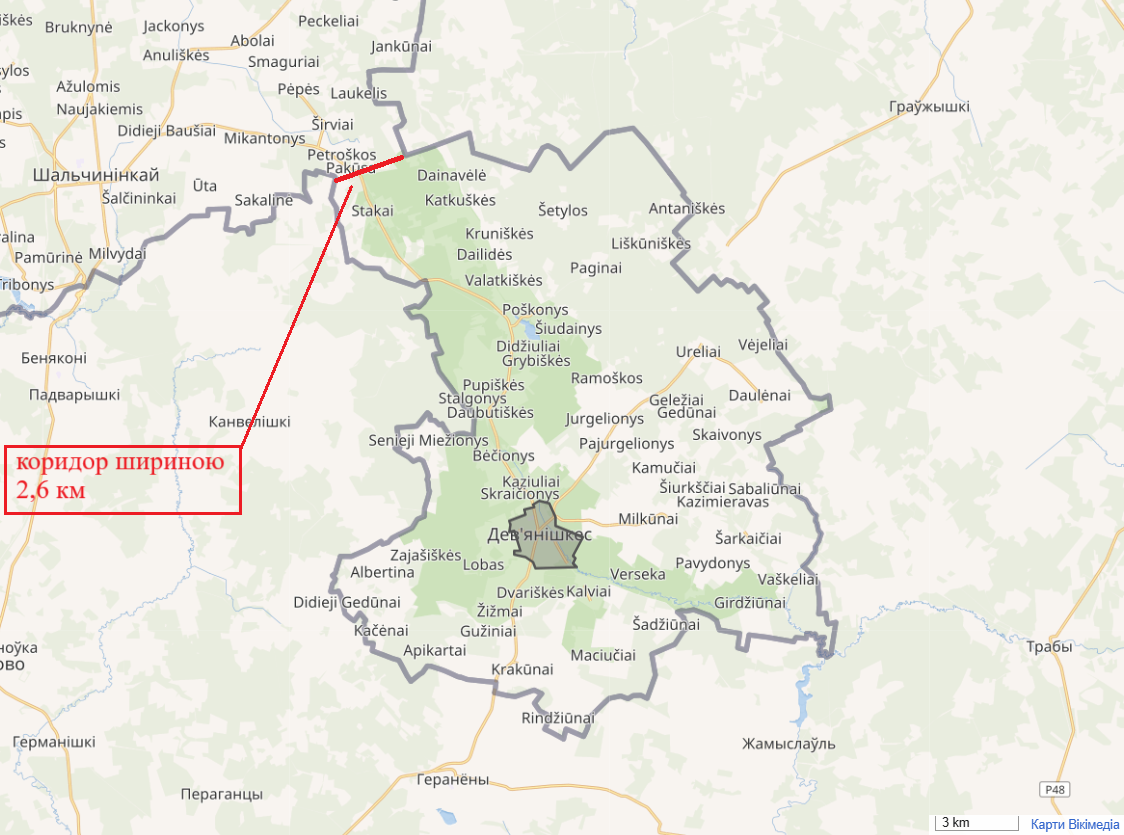
1. The presence of a narrow corridor that connects the “Dieveniškės Pocket” with the rest of Lithuania by only a single paved road. The width of this corridor is just 2.6 km:
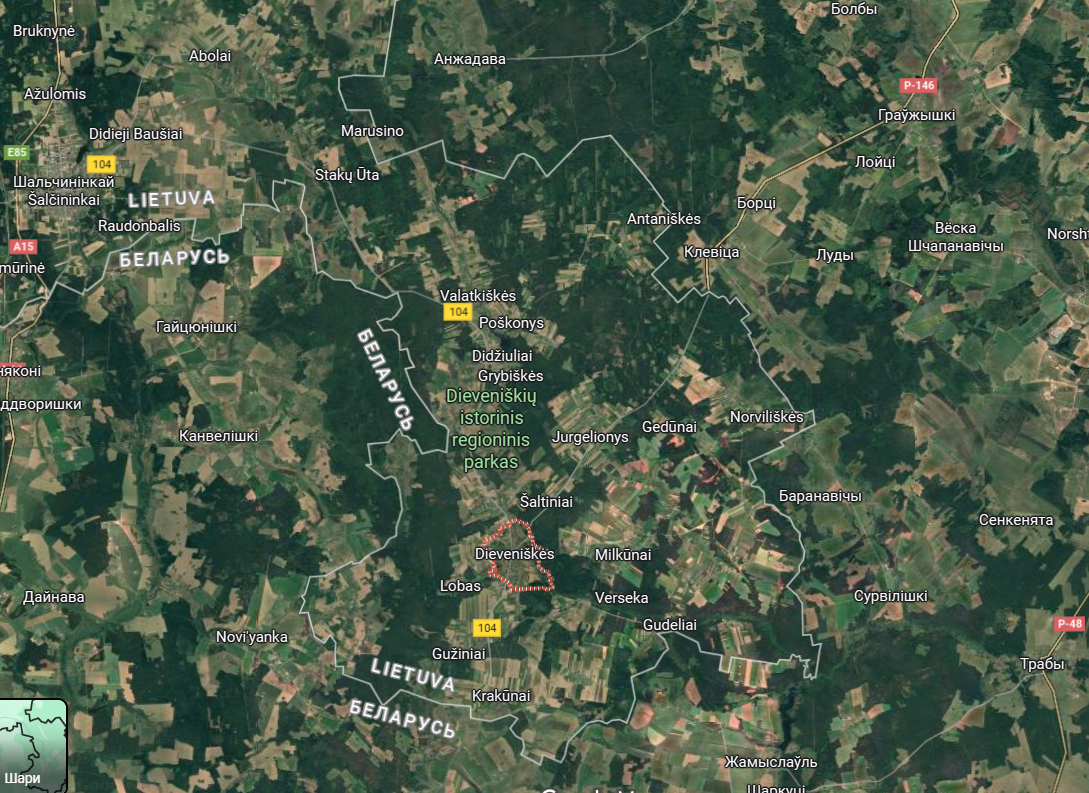
2. Forested terrain. Nearly half of the “Dieveniškės Pocket” is covered by dense forest. This terrain is highly favorable for the concealed movement and deployment of special operations groups:
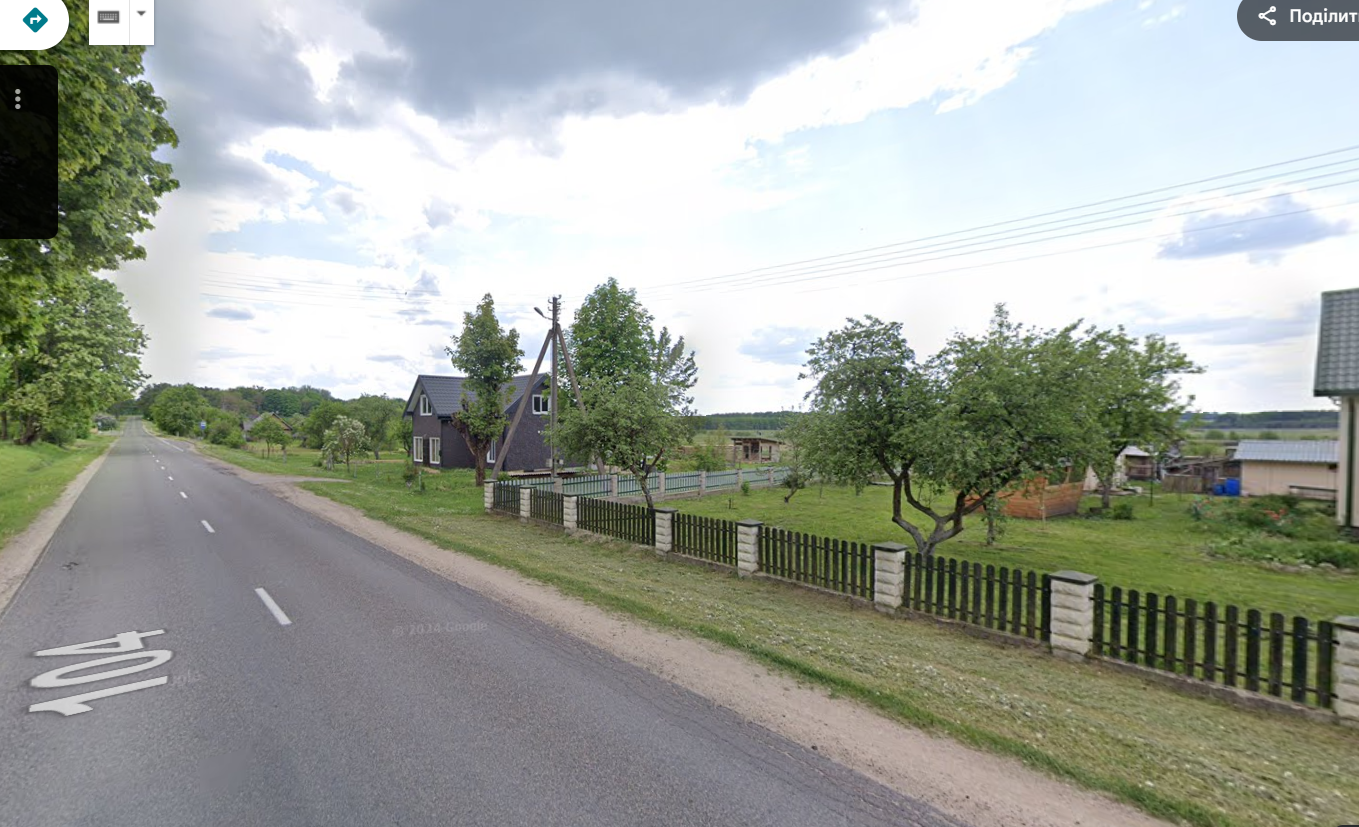
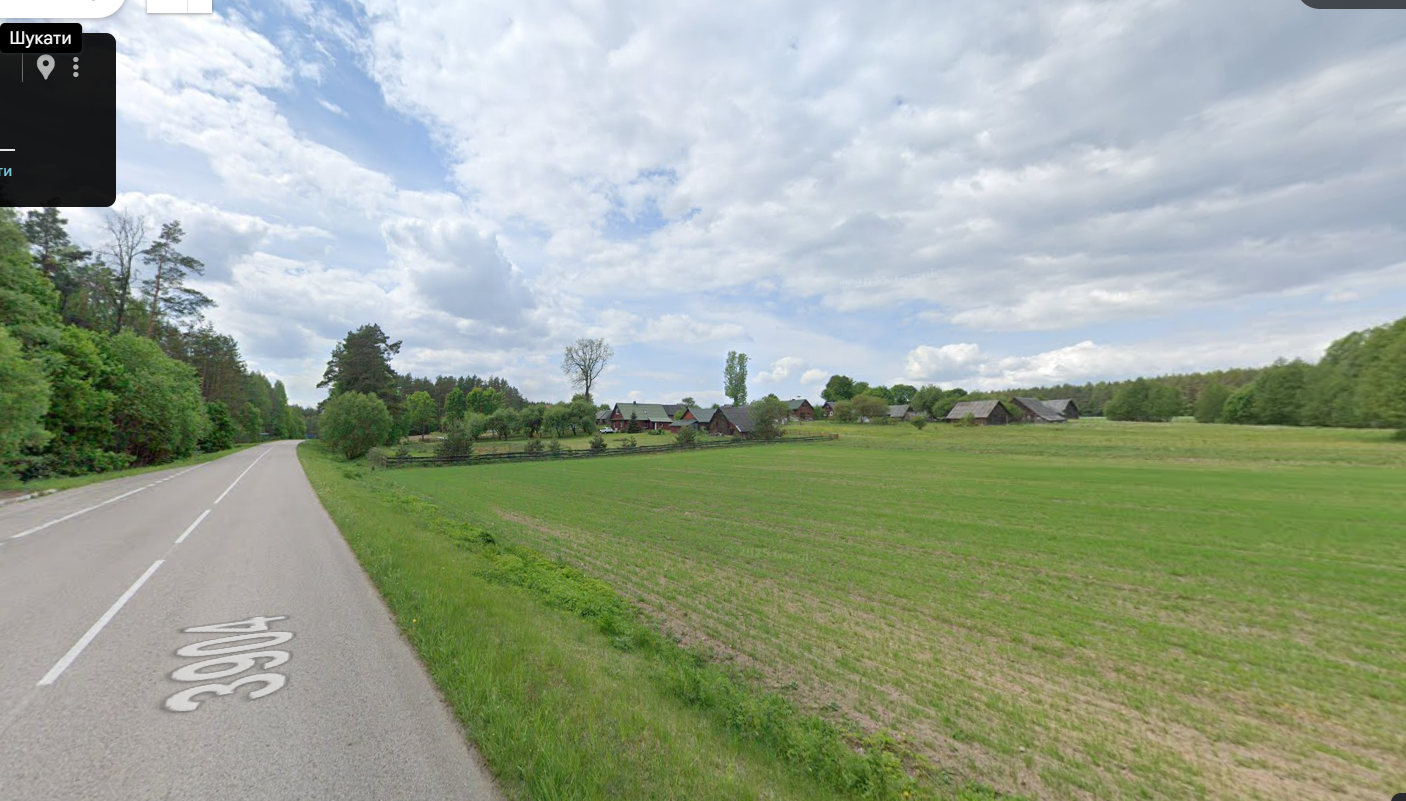
3. Sparsely populated area. The Dieveniškės region has a low population density and is lightly urbanized. Most of its inhabitants live in a few small villages and scattered throughout the region in small hamlets (5–15 houses each):
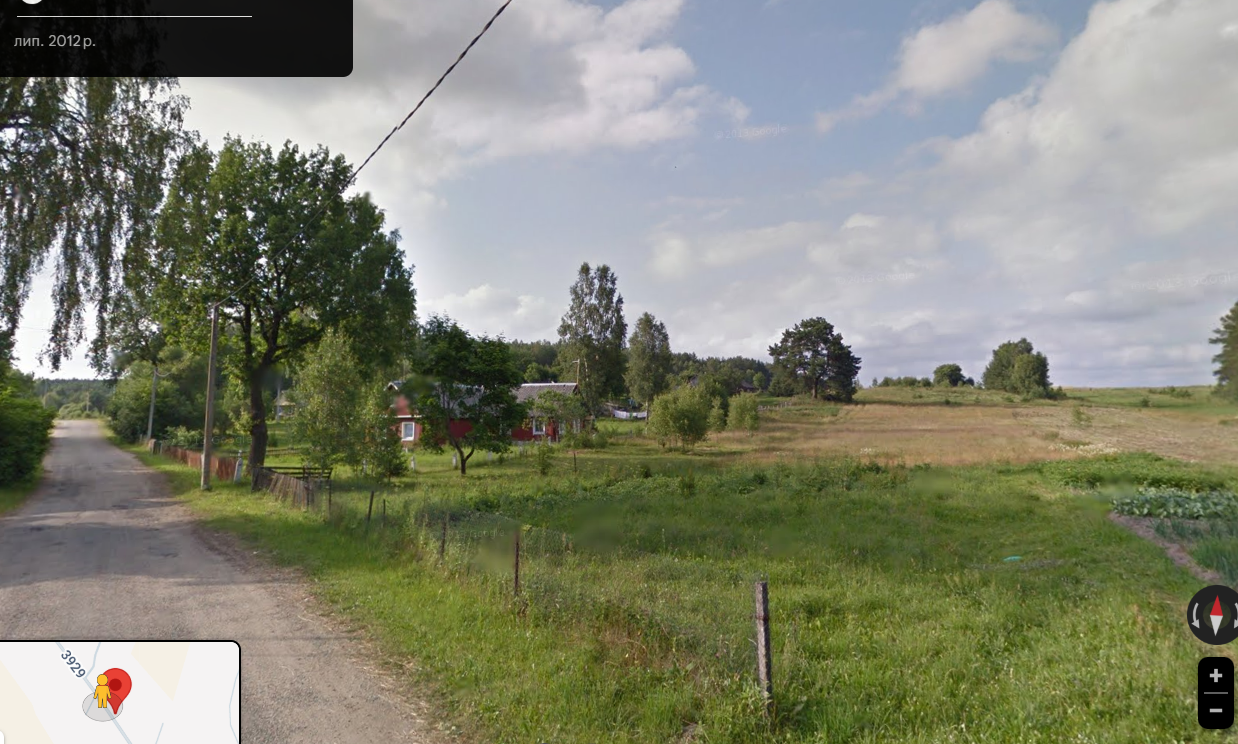
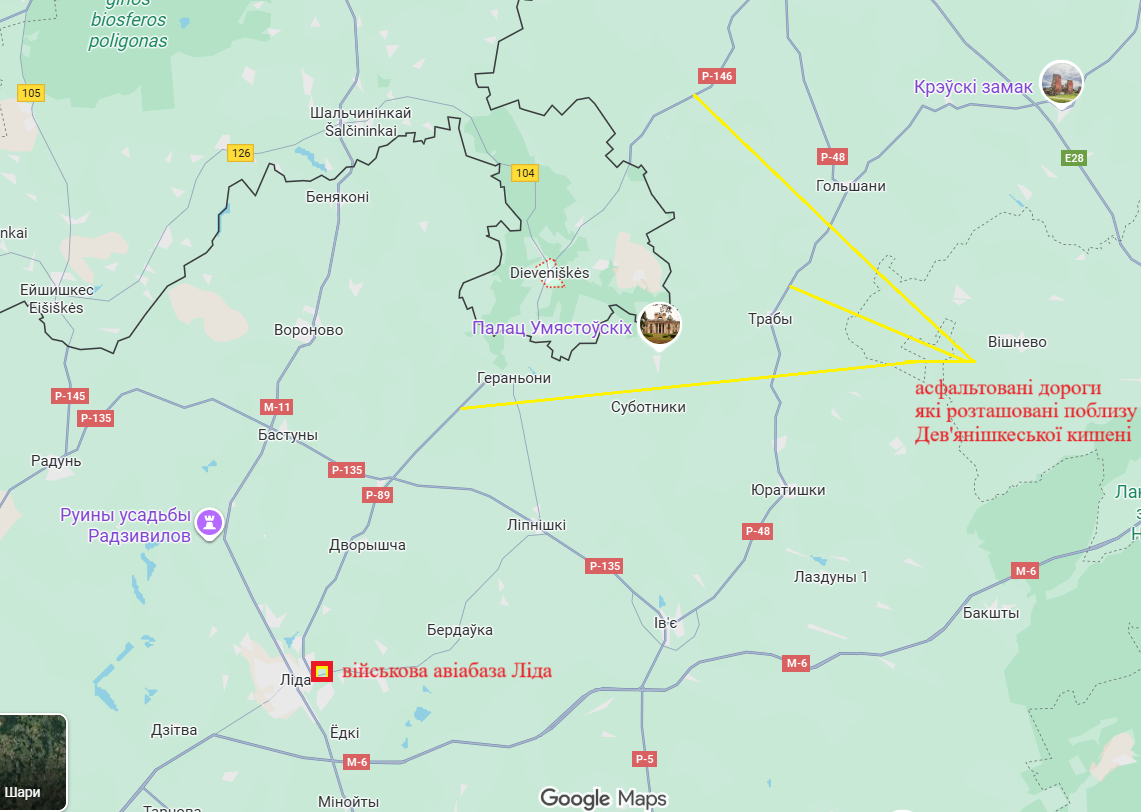
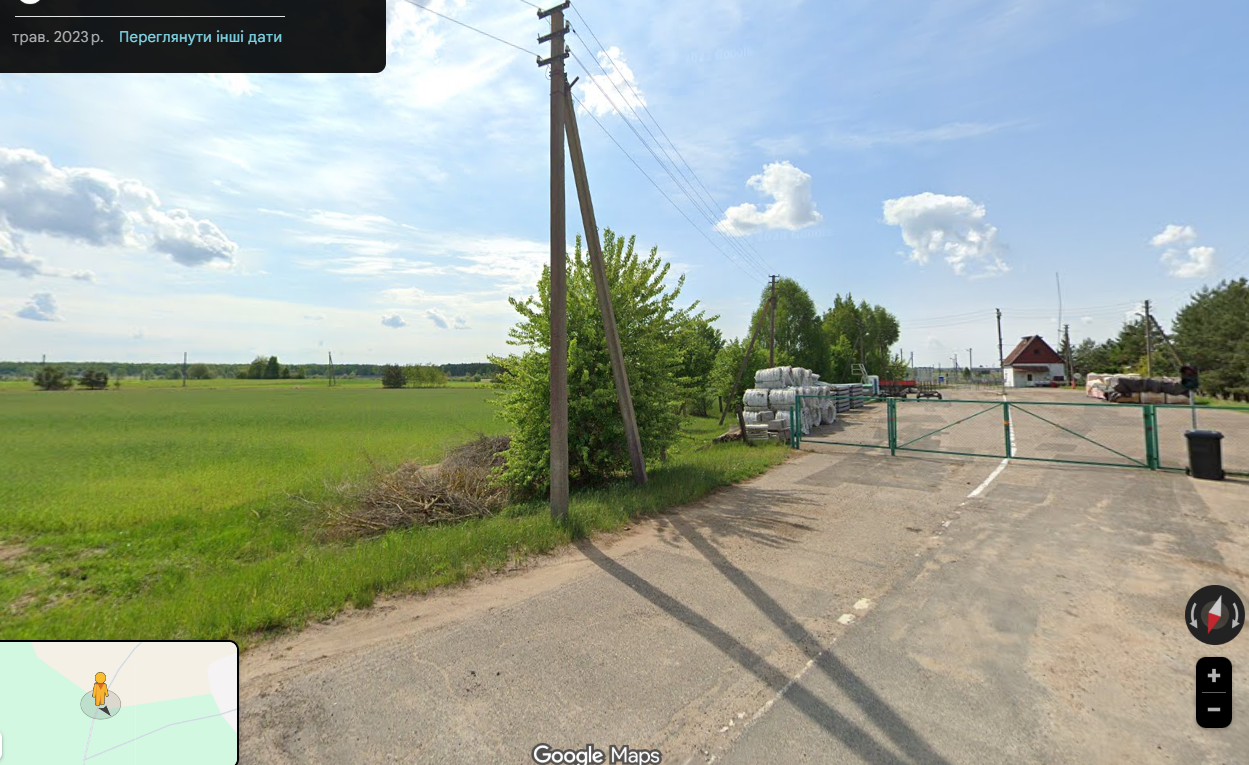
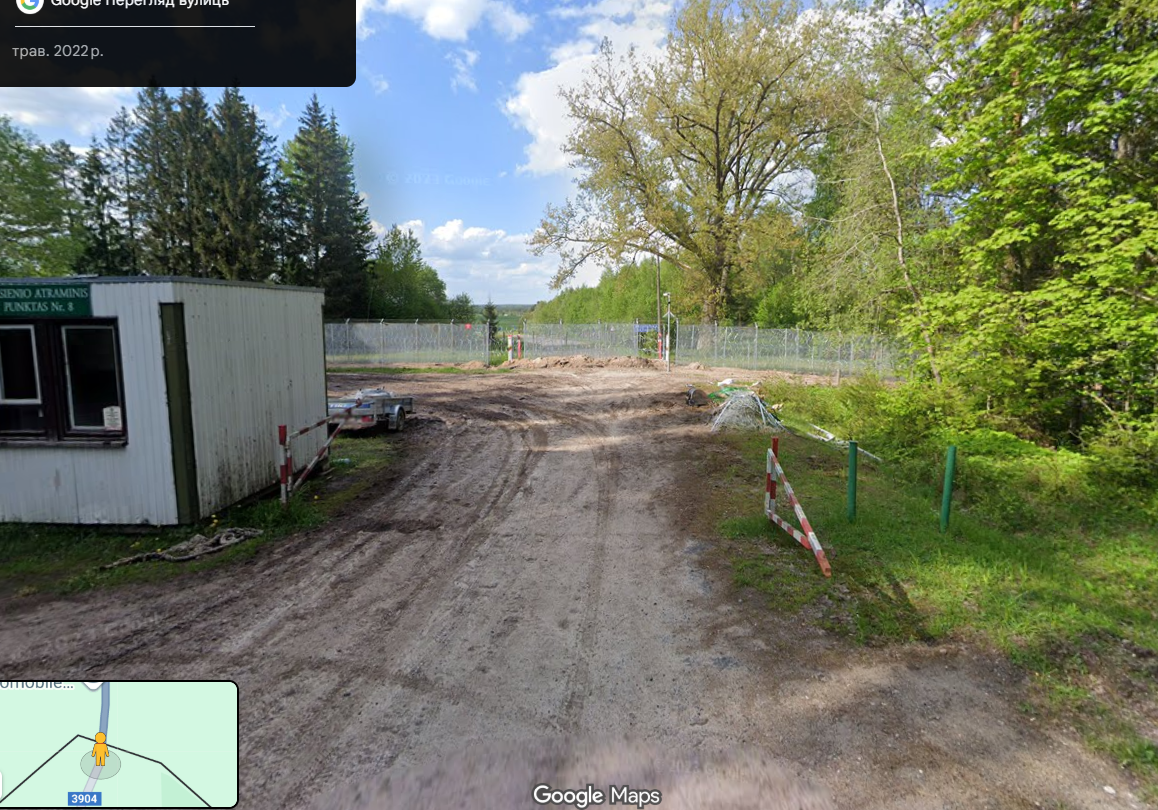
4. The adjacent border regions of Belarus are also mostly covered by dense forests. In addition, from the Belarusian side, three paved roads lead into the Dieveniškės Pocket, which would facilitate logistics for an aggressor:
There may be many options for hybrid military actions directed against Lithuania. Everything depends on the objectives that Russia and Belarus might define at the time such an operation (still only hypothetical) is executed. The degree of open aggression may also vary, from covert actions with maximum official denial of involvement to open aggression (pre‑war actions by sabotage or special operations units).
This article will examine one possible scenario for a special operation involving the use of illegal migrants — an approach that Belarus has already been successfully employing for several years along the borders of the Baltic States and Poland.
So what might the scenarios look like? One possible option is as follows:
Belarus (in cooperation with Russian intelligence services) conducts a complex special operation consisting of an information‑psychological operation and supporting forceful actions (although these forceful actions, despite being the public part of the operation, would remain secondary).
Objectives of the operation:
The operation would be considered successful if Lithuania’s official authorities temporarily lose control over the Dieveniškės Pocket for 1–2 weeks.
To achieve this, the following measures may be performed:
1. In certain sections of the Lithuanian‑Belarusian border, groups of illegal migrants from the Middle East and other regions are concentrated. This is done to distract and disperse the forces of Lithuania’s Border Guard Service and other security agencies.
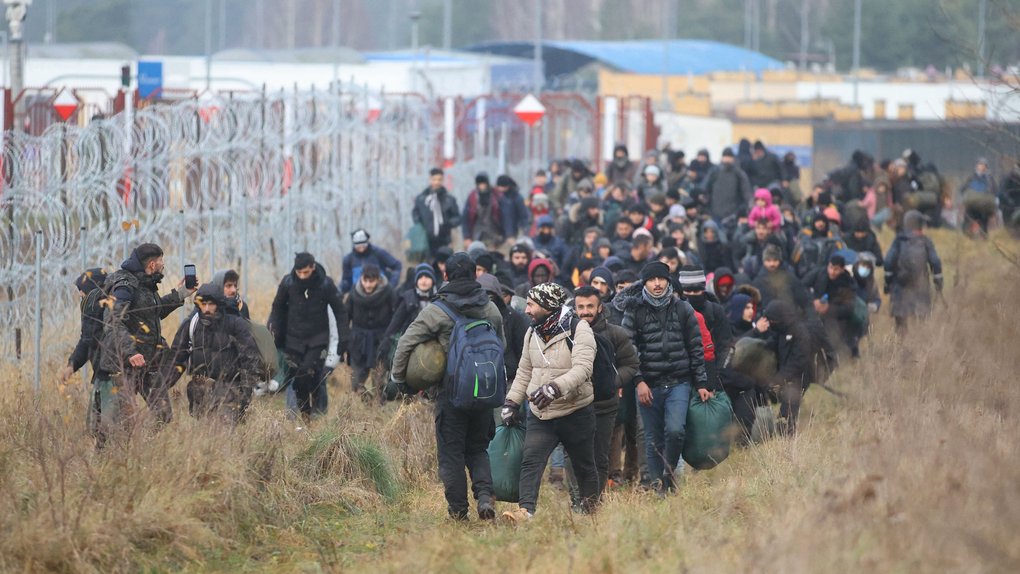
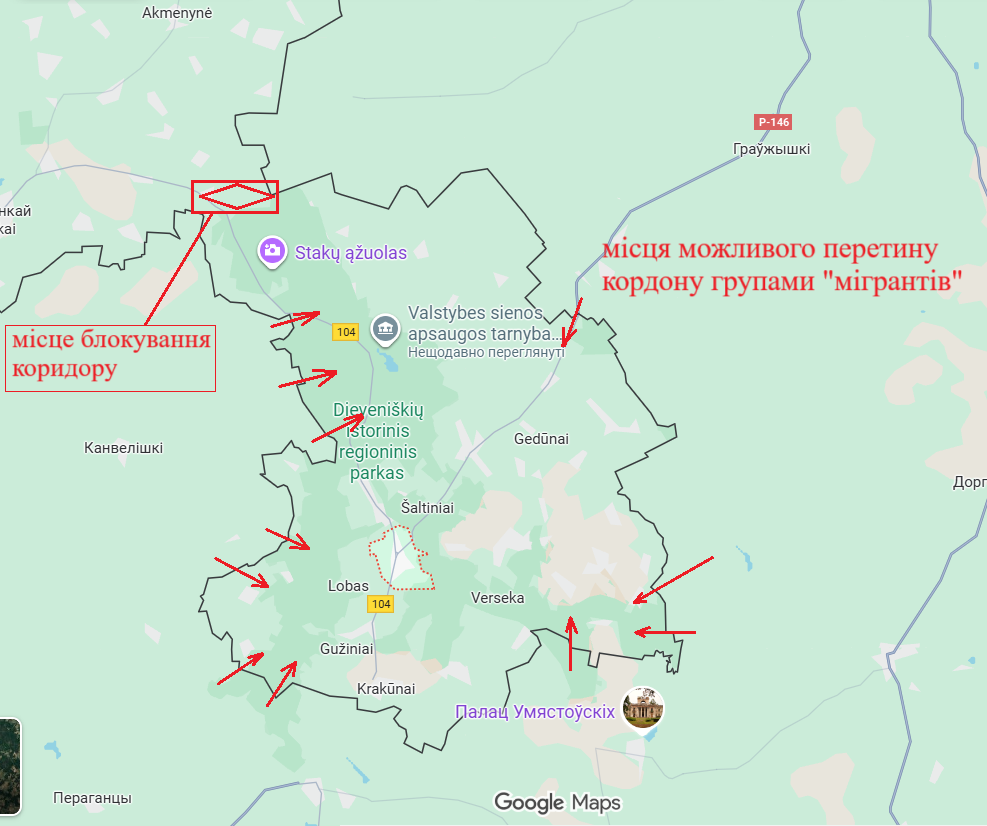
2. The main group of migrants will covertly concentrate in the area of the corridor that connects the Dieveniškės Pocket with the rest of Lithuania. This corridor is 2.6 km wide, and only a single paved road runs through it:
3. In the second (main) stage, the migrants cross the border and block the road leading into the region. At this stage, the aggressor must execute the most complex element of the operation — provoking a conflict with the security forces attempting to clear the road. The conflict could escalate to the use of firearms, potentially resulting in casualties among the migrants. This will be the key point of the special operation, around which its information‑psychological component will be structured.
4. If there is a death (regardless of whether the migrant is killed accidentally by Lithuanian security forces or by “their own side”), the migrants will use this as a pretext to continue blocking the border and undertake further forceful actions. For example, they might declare the road blocked until an investigation is conducted and the “perpetrators of the migrant’s death” among the Lithuanian security forces are punished.
5. In the third stage of the operation, the number of migrants in the corridor area significantly increases, where they continue to block the road and attempt to seize weapons from security forces. Even if they fail to capture weapons, the aggressor’s media (information‑psychological operation organs) will report the weapons held by the migrants as if they were captured, at least publicly explaining their origin. At this stage, the road blockade will be carried out with weapons.
6. Meanwhile, armed groups of “migrants” will enter the region, cut off from the rest of Lithuania via adjacent forested areas (with some weapons delivered by drones). They will conduct a series of actions “seizing” weapons from police stations (even if none are present) and border service units:
The Russian army already has extensive and well‑practiced experience in moving small infantry groups into unfamiliar terrain. These are groups of 2–6 soldiers who may know nothing about the area, with their movements coordinated by radio and UAVs. This experience would undoubtedly be helpful in this operation as well.
7. The task of the groups infiltrating across the border would be to create the illusion that the migrants fully control the region and that their numbers are significant. In reality, there may be no more than 100–150 people, constantly moving around the Dieveniškės region in groups of 3–5. They will film photos/videos and create the appearance of significant numbers and complete control of the area. Russians frequently use this technique—taking photos of a small infantry group with a Russian flag or placing a flag with a drone in settlements within the gray zone. The psychological operations units then use this material as “evidence” of capturing territory, even though this often does not reflect reality.
8. The small groups constantly on the move can minimize contact with locals. Their task is demonstrative actions. At most, they might seize an administrative building in the largest village—if circumstances allow. The three roads leading from Belarusian territory to the Lithuanian border greatly facilitate the logistics of moving these “migrants” into the designated border concentration areas. Reconnaissance drones (for surveillance and control) can be launched from the military air base in Lida, which can also control the airspace.
9. Delivery of weapons, fuel, food, and other equipment can be arranged entirely using cargo drones—a logistical method already well‑developed by both sides in the Russia–Ukraine war.
10. Once the migrants begin blocking the road, Belarus may move troops to the border (and even declare a partial mobilization), claiming it needs to strengthen its borders and that the migrants pose a threat to Belarus as well. Belarusian troops near the Lithuanian border would then serve as an additional source of military pressure on Lithuania’s political leadership.
11. End of the operation. As noted above, if the road is blocked for 1–2 weeks, Lithuania would effectively lose control over this region for that period. After maintaining the blockade for the necessary duration, the migrants would simply cross back into Belarus, and in this case, the operation would be considered successful. If the road is cleared quickly, the aggressors would also withdraw back into the countries from which they came from. The goals of the operation would not be achieved.
What should be the response of Lithuanian security forces? To counter such operations, preparation must begin in advance, and systematic measures must be taken even before they start. If such hybrid actions take the security forces by surprise, there may not be enough time to neutralize the threat quickly.
1. Strengthening intelligence. Since the start of the war, and with Belarus effectively supporting Russia, Lithuania has reinforced its intelligence operations in Belarus. However, it is also necessary to strengthen operational work, particularly in light of threats in this region.
2. Enhancing efforts against smugglers. Over the past year, Belarusian smugglers have increasingly used balloons and drones to deliver contraband into Lithuania. Since the beginning of 2025 alone, Lithuanian border guards have intercepted 546 balloons and 50 drones used by smugglers.
Of course, this activity is not one-sided—on the Lithuanian side, these goods are received by Lithuanian citizens, thereby involving them in illegal activities. Belarusian intelligence services almost entirely control the delivery of contraband from the Belarusian side. Accordingly, Lithuanian citizens engaged in illicit activities become targets of operational development. They may be used in intelligence and subversive activities (recruiting smugglers in this way is a common practice for intelligence services in many countries).
In mid-November, Lithuanian security forces (police, border guards, customs, State Security Department, and others) conducted a joint operation against smugglers in regions bordering Belarus, including in the Dieveniškės municipality:
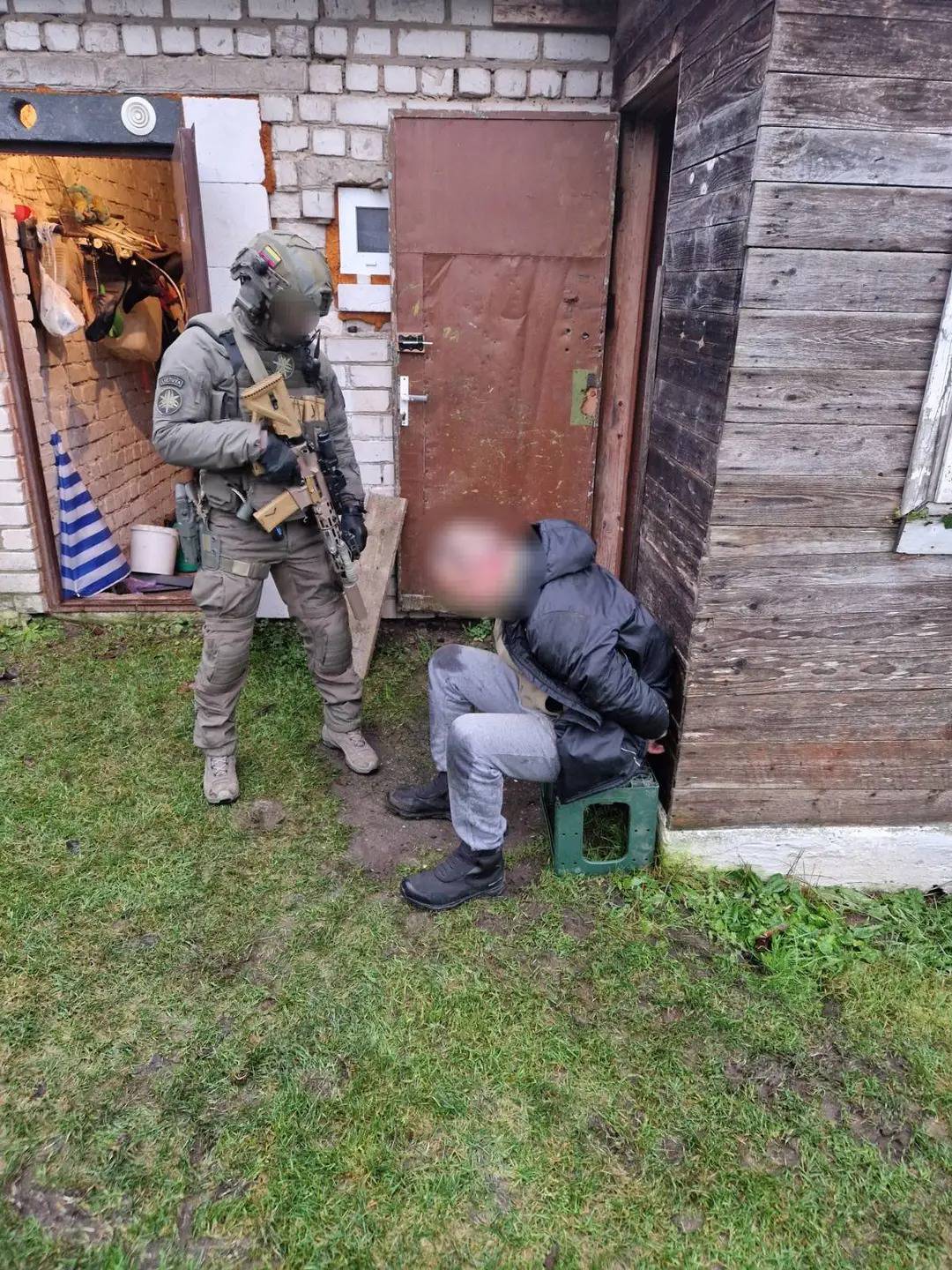
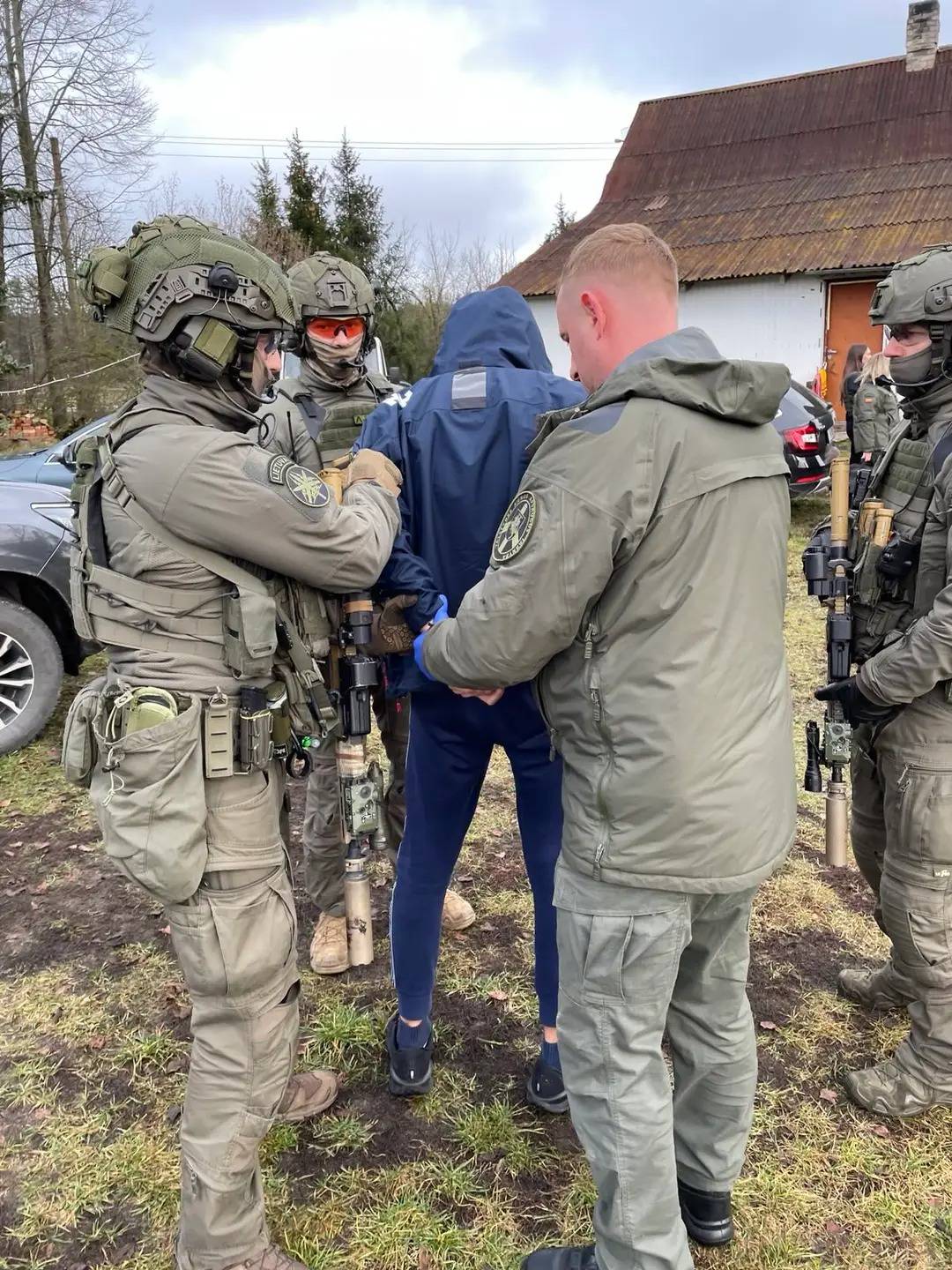
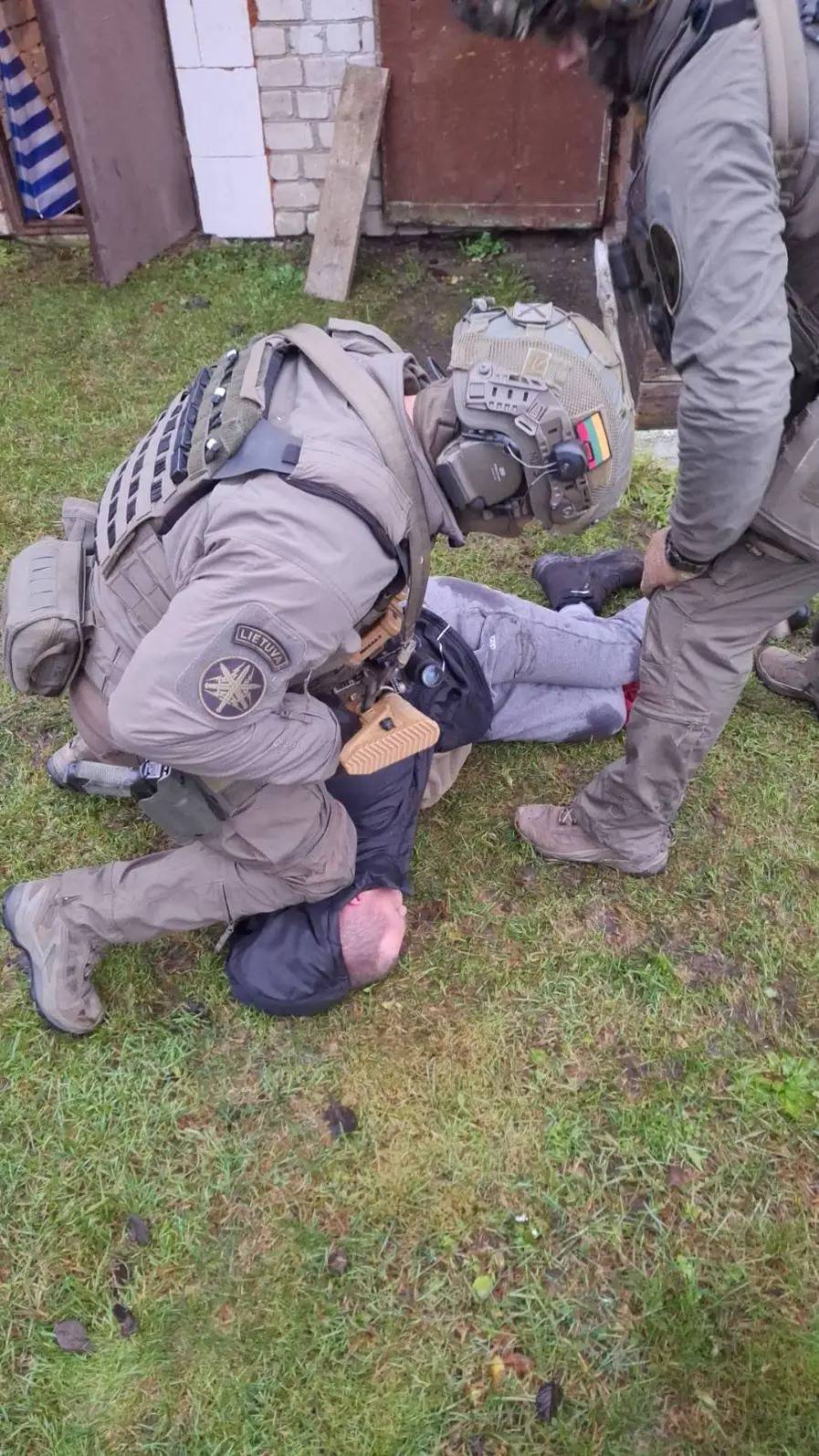
According to reports, during the interagency operation, in addition to contraband goods, dozens of GPS devices, mobile devices, as well as firearms and ammunition were seized.
Given Lithuania’s small population and the generally low crime rate in the country, it is unlikely that Lithuania’s criminal environment requires a significant quantity of firearms. Therefore, it can be assumed that the smuggling of weapons into these regions was, in fact, a test by Belarusian intelligence services of delivery channels through local smugglers who had been successfully recruited.
Thus, Lithuanian intelligence services should view the activities of Lithuanian–Belarusian smugglers not merely as economic crime, but primarily as a threat to national security.
3. Develop and implement a system for detecting and monitoring UAVs, thereby enhancing countermeasures against illegal drone flights over Lithuanian territory. Under the guise of smuggling, the Belarusian side is increasingly flying drones into Lithuania.
Several examples of UAV use by the Belarusian side include:
https://www.lrt.lt/ua/novini/1263/2744315/prikordonniki-v-shal-chininks-komu-raioni-zatrimali-shche-odin-kontrabandnii-dron
https://vsat.lrv.lt/lt/naujienos/vsat-pareigunai-salcininku-rajone-nutupde-kontrabanda-is-baltarusijos-skraidinusi-drona-foto-nUD/
https://vsat.lrv.lt/lt/naujienos/salcininku-kontrabandininkams-nesuskubus-ju-drona-su-cigaretemis-pereme-pasienieciai-foto-video-P3K/
https://vsat.lrv.lt/lt/naujienos/salcininku-rajone-nutupdyta-dar-viena-kontrabandininku-skraidykle-su-kroviniu-foto-tVF/
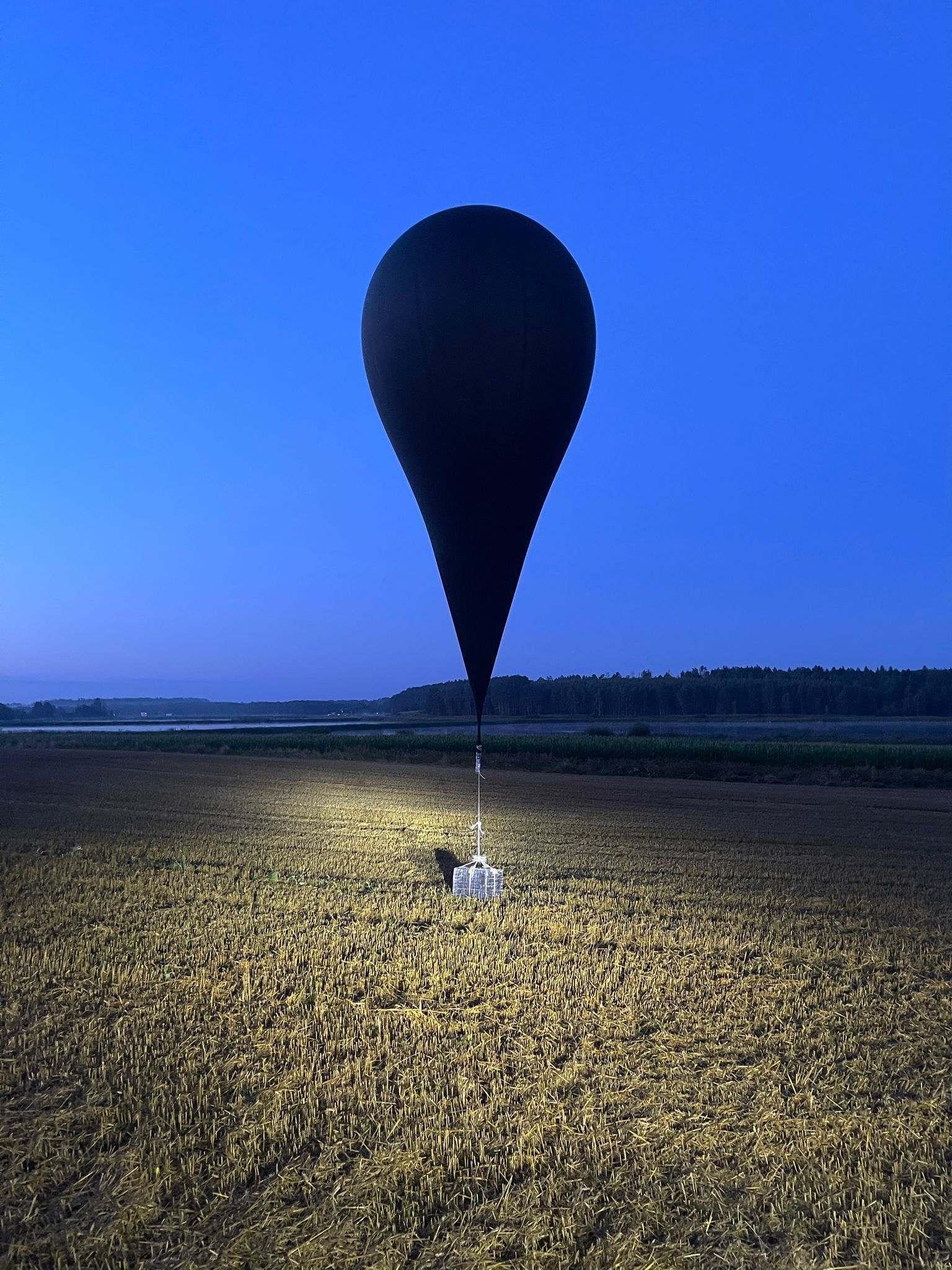
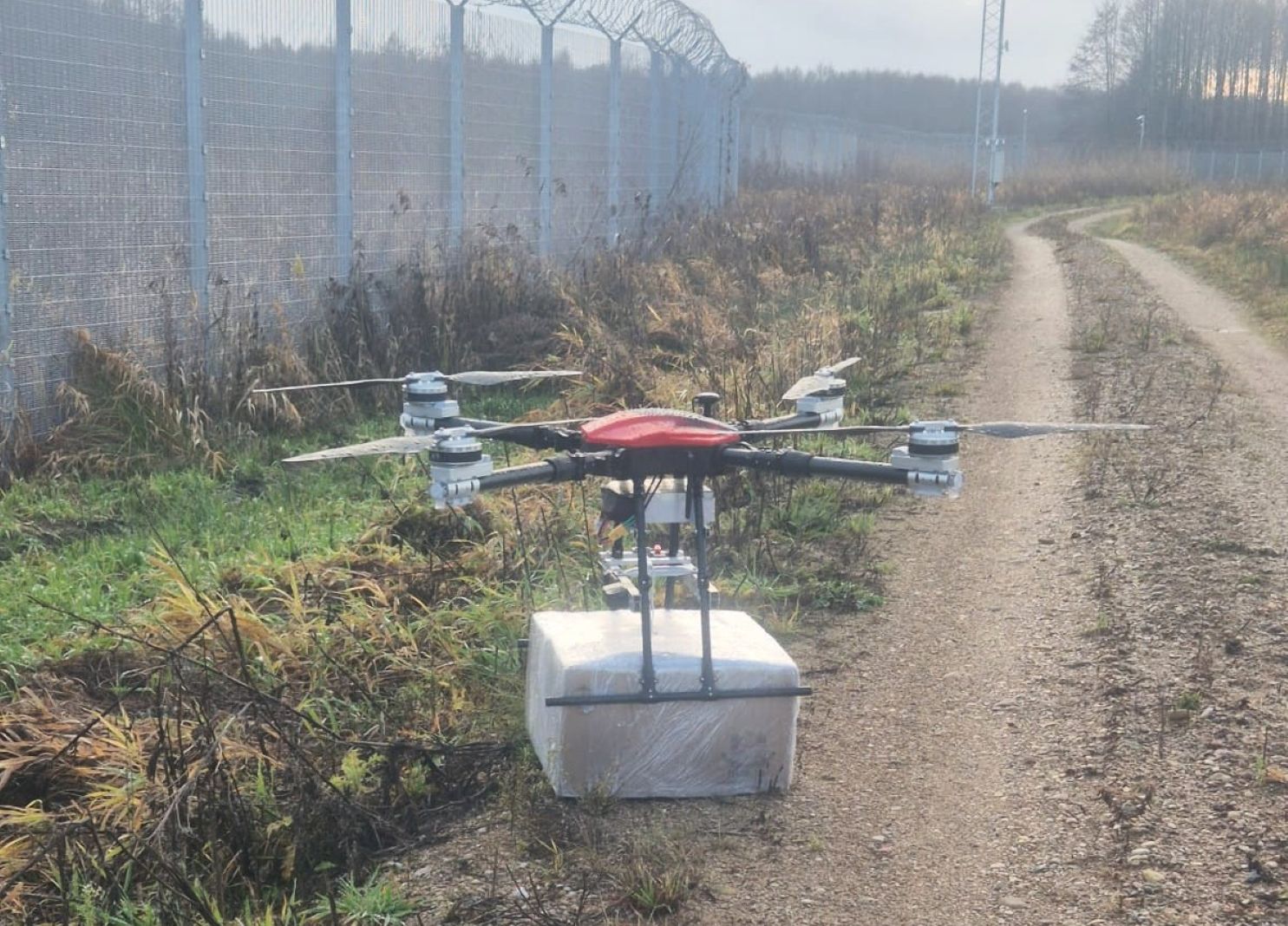
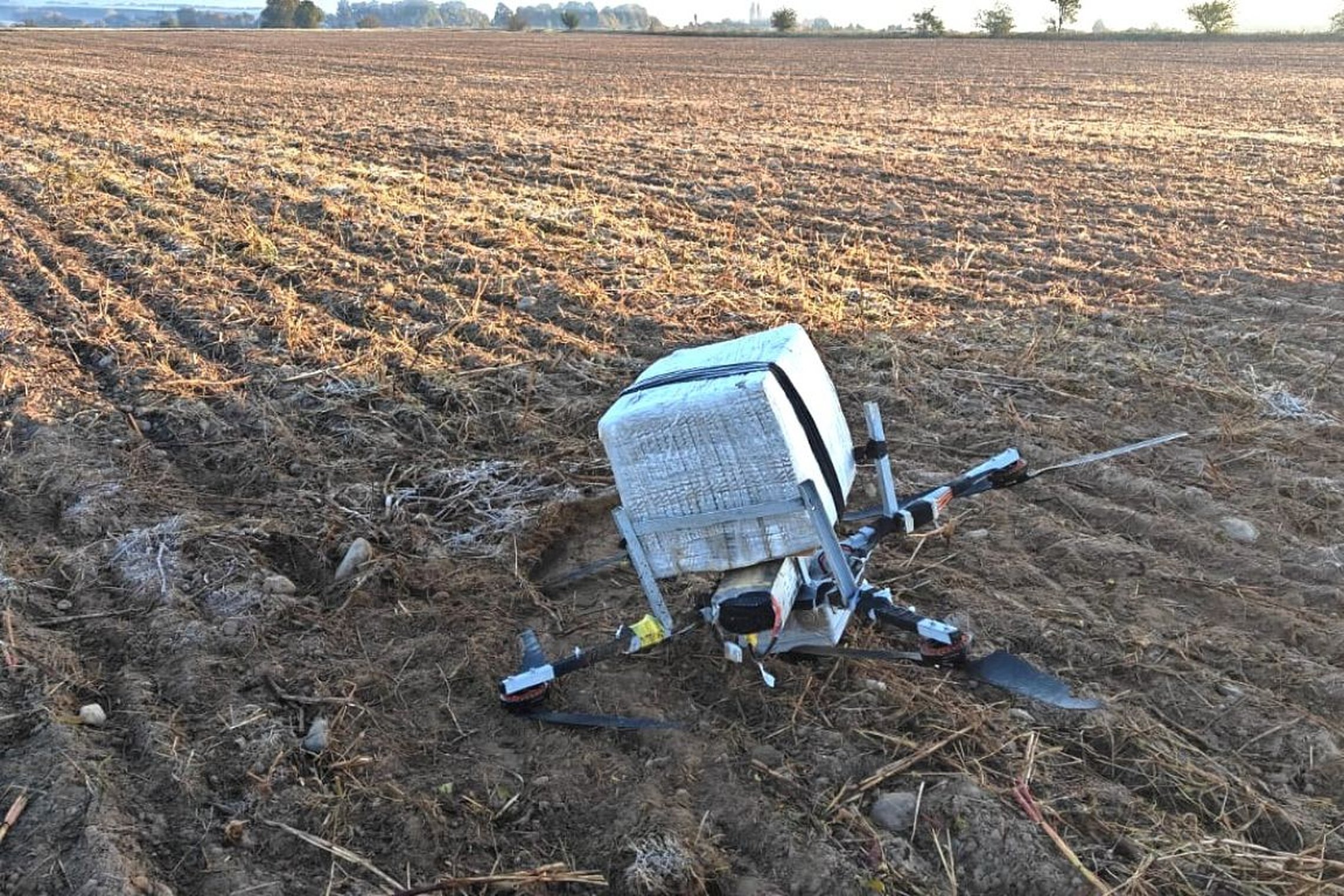
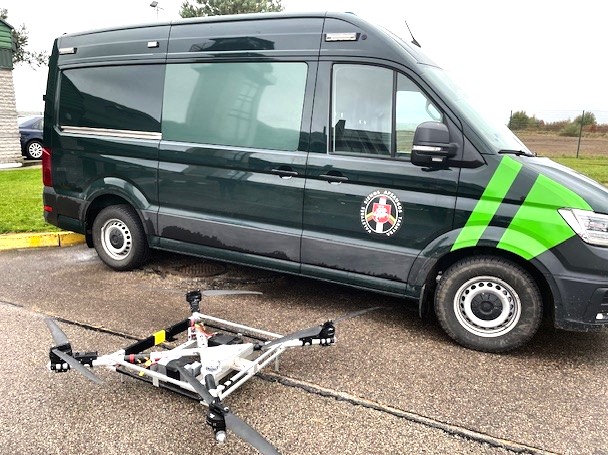
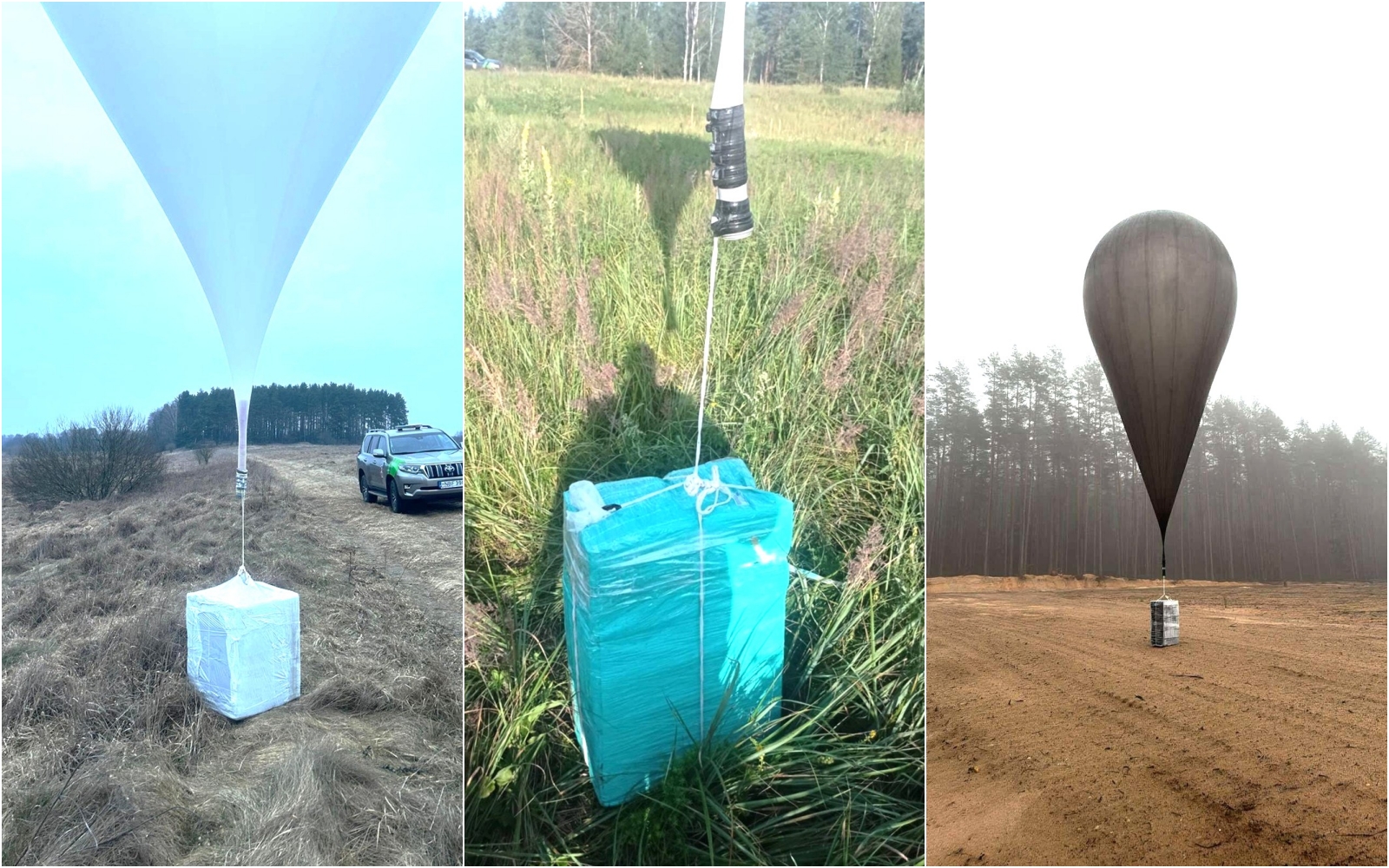
Smuggling is only a cover—the primary purpose is to study Lithuania’s air‑defense system and UAV detection systems, and to identify their vulnerabilities. The experience gained from using UAVs over Lithuanian territory will later be used by the aggressors in special operations.
4. Engaging local residents in countering hybrid/military threats. Since Lithuania has a small population, it cannot maintain a large military and security force. Therefore, the only way to increase the human resources involved in national defense is to involve citizens in voluntary service. Lithuania has the National Defence Volunteer Forces (KASP – Krašto apsaugos savanorių pajėgos), which serve as the military’s active reserve, and the Lithuanian Riflemen’s Union (LŠS – Lietuvos šaulių sąjunga), a voluntary paramilitary organization. Information about the local units and activities of these structures in the Dieveniškės region will not be discussed in this article (so as not to aid the enemy). It should simply be noted that countering such operations requires developing and actively involving volunteer military formations. In addition to armed volunteers, other citizens should also be involved to perform auxiliary tasks in the event of a crisis: reconnaissance, gathering operational information, information‑counteraction activities, etc. This group of contributors may even include citizens of retirement age.
5. Options for countering the enemy’s various special‑operation scenarios must be developed in advance. In this and other high‑risk regions, regular exercises should be conducted to counter hybrid threats. Specifically for the Dieveniškės Pocket, Lithuanian security forces must have a pre‑prepared action plan, including steps to take if this territory is blocked (isolated) from the rest of the country for an extended period.
6. It should also be added that, besides the “Dieveniškės Pocket,” Lithuania’s border areas contain other (smaller) sections suitable for similar operations. These must also receive attention.
The Lithuanian territory described in this article has geographic features that create favorable conditions for Russia and Belarus to conduct special (hybrid) operations. The aggressive actions of the Belarusian side—artificially creating a “migrant crisis,” which has intensified against Lithuania over the past three years, as well as the increase in controlled smuggling activities—indicate possible preparations for special operations in Lithuania.
The military and political weakening of Ukraine, which is defending itself against Russian armed aggression, together with the overly mild response of Western countries to Russia’s invasion—and especially U.S. attempts to reach an accommodation with Russia despite its violations of international law—may only encourage Russia and Belarus to carry out special operations in the Baltic states.
For this reason, Lithuania’s security forces must pay close attention to the threat described in the article, assess its current likelihood, and develop an appropriate response plan.
Підтримати нас можна через:
Приват: 5169 3351 0164 7408 PayPal - [email protected] Стати нашим патроном за лінком ⬇
Subscribe to our newsletter
or on ours Telegram
Thank you!!
You are subscribed to our newsletter