



Popular
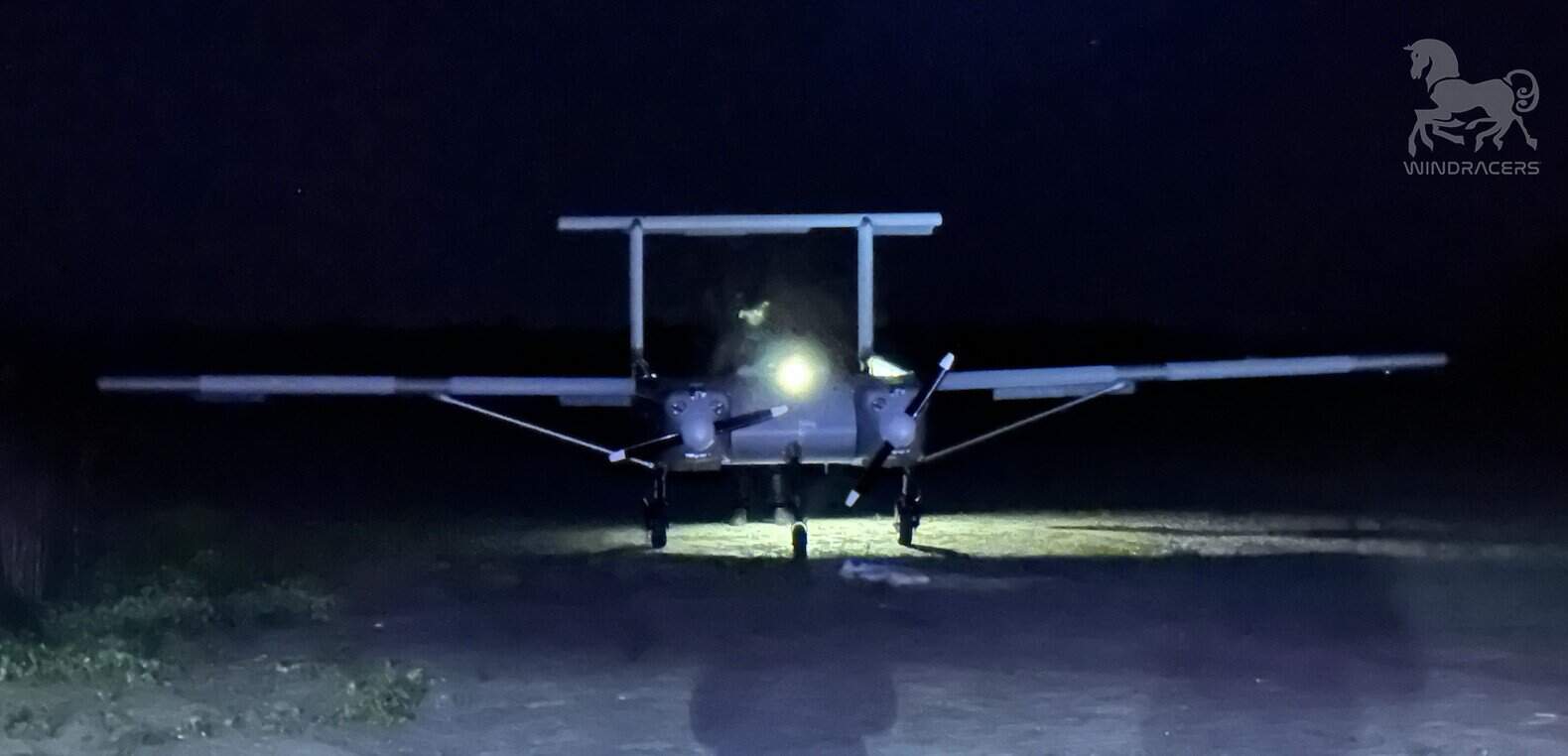

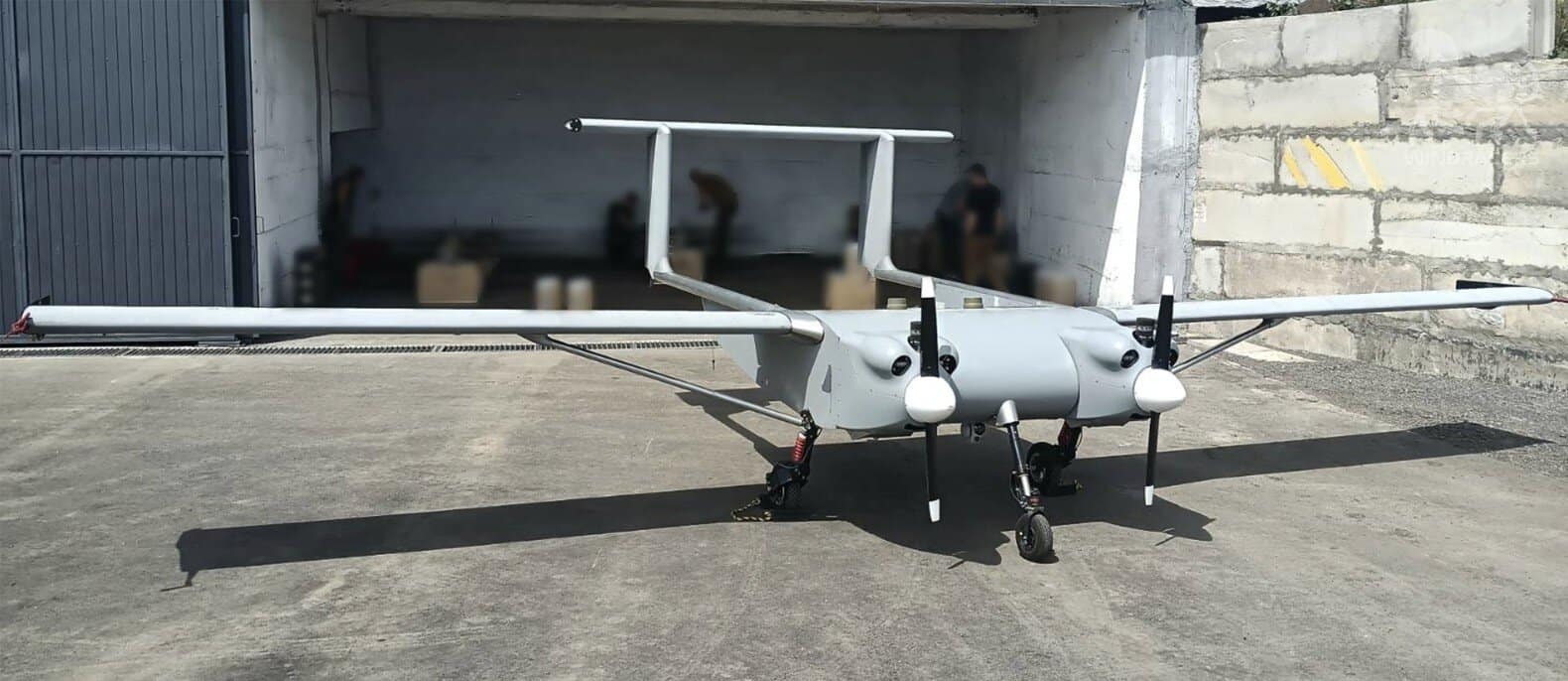
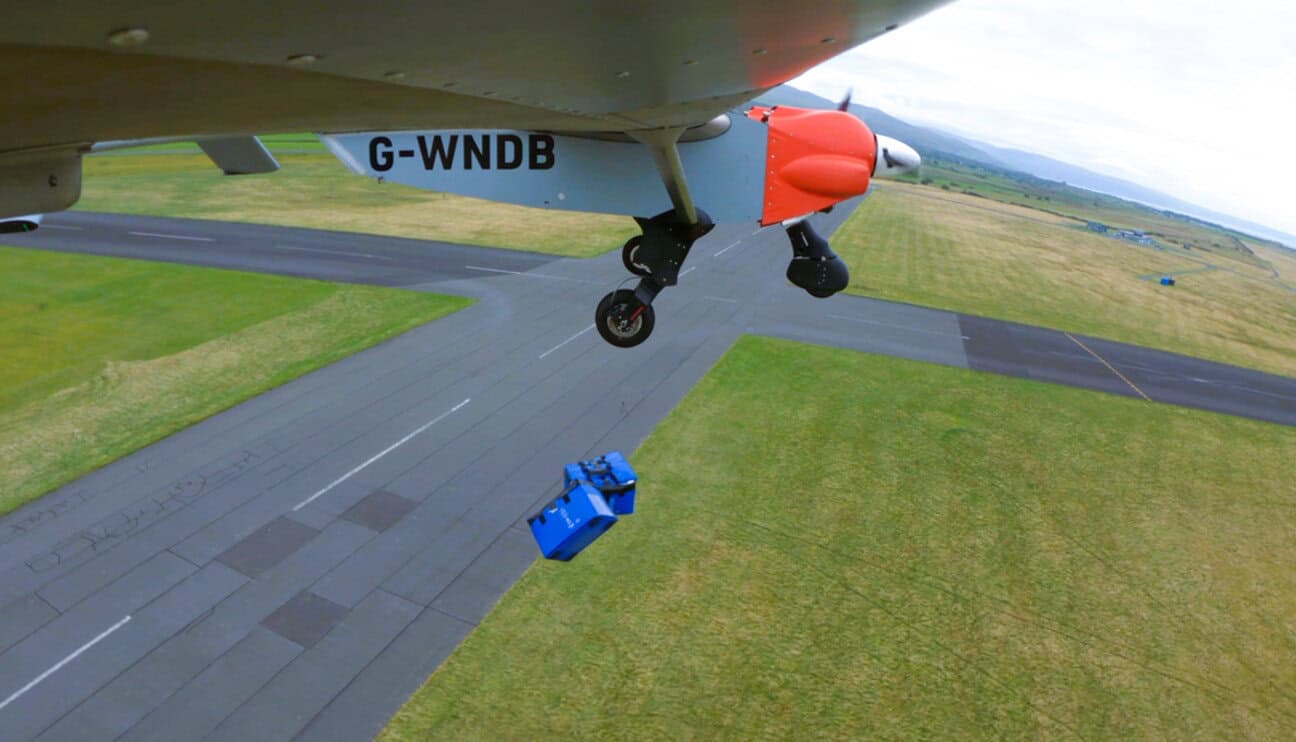
ULTRA is the heavy-lift long-distance drone produced by British company Windracers that has been used by Ukrainian forces for several years. These are modular platforms capable of carrying significant cargo and performing precise payload drops at designated locations.
In its base configuration, Windracers ULTRA carries over 150 kg of payload across distances of more than 1000km, including special operations, intelligence gathering and frontline resupply. Windracers is already working with Ukrainian companies and is considering new partnerships to continue its activities in the Ukrainian market.
Ahead of the “UK–Ukraine: A 100-Year Partnership” forum, Militarnyi spoke with Mark Farrell, Sales Defence Director at Windracers, about the operational use of heavy-lift long-distance drones in Ukraine and the changes introduced based on user feedback.
Militarnyi: So how long have Windracer drones been used by Ukrainian soldiers?
Mark Farrell: We’re very proud that Windracers has supported Ukrainian forces for over three years now, supporting frontline units with our system.
Could you describe the missions these drones are used for and their key technical specifications?
ULTRA has been engineered to be resilient and have the capability to support multiple types of heavy-lift long-range missions, supporting military and civilian operations in environments that are difficult or hazardous to access by conventional means. The key specs are that ULTRA carries over 150 kilograms across distances of more than 1,000 kilometres and its endurance is over 10 hours. Its service ceiling is over 4,000 meters and has short take-off and landing capability. It can be deployed tactically in minutes with operations at night, day and in foggy conditions. We recently announced that you will be able to configure ULTRA to extend its range to up to 2,000 km while significantly increasing payload capacity. These upgrades will further expand the types of missions the platform can support while maintaining reliability and autonomous operation.
What feedback have you received from Ukrainian users, and how has it influenced changes to the product?
We receive regular operational feedback from users in the field, which we use to make the platform more resilient, have greater range and increase reliability in contested environments. For example, we’ve made enhancements to improve performance in GPS-denied and communications-challenged situations.
Being closely connected to the end users is critical. Direct feedback allows us to adapt the aircraft to evolving mission requirements, ensuring that it continues to meet operational needs and remains effective in challenging and dynamic conditions.
Can you tell us who the main users are within the Ukrainian Defence Forces? Are they Army units, special units, or both?
For operational and security reasons, I cannot go into detail about specific use cases but what I can say is that ULTRA is in active use in Ukraine. Windracers ULTRA is designed to operate in extreme, contested environments and to deliver critical supplies accurately and autonomously through its advanced software and drop capability. The aircraft can fly independently between waypoints and deliver payloads without the need for manual intervention. This frees up essential personnel and removes pilots out of harm’s way.
A key advantage is that the aircraft returns safely after each mission, allowing it to be reused rather than lost. This is particularly important in environments where resupply by land can be slow, difficult, or dangerous. Our focus is on supporting critical missions with autonomous technology that would otherwise place people at risk.
This is interesting, as logistics in Ukraine is increasingly being handled by UGVs due to the growing complexity of the airspace and the use of Russian interceptor drones. How do you see the future development of your product?
Through the feedback we received from many customers, we are advancing the systems on many fronts including range, payload, communications and overall resilience. Windracers is focused on giving the user more options and a system that is resilient in all aspects in contested and extreme environments. We understand that the threat constantly evolves and Windracers believes that the key thing is to advance ULTRA to adapt and cope with threats as they come along.
Do you work with Ukrainian companies? Are there any interesting solutions in communications or navigation?”
We already have a team on the ground and are actively looking to expand our presence further. We’re here for the long run, and we’re open to working with different types of companies to make the best of what it can be.
As we speak, we have a team talking to maintenance repair organizations for different parts of the aircraft. Some of those discussions are beginning but we’re already working with local technology companies to integrate different pieces. Through the partnership event that we’re doing here this week, and then more in the future, we are confident we can find more companies to work together with.
What about the British Army? Are they interested in your product knowing that it has been combat-proven in Ukraine? How has this affected your work in the UK, and more broadly across NATO?
We’re in active discussions with and taking part in demonstrations for various national military groups around the world. Because we are gaining experience and ULTRA is in use here, the benefits of the system are becoming clear to potential users.
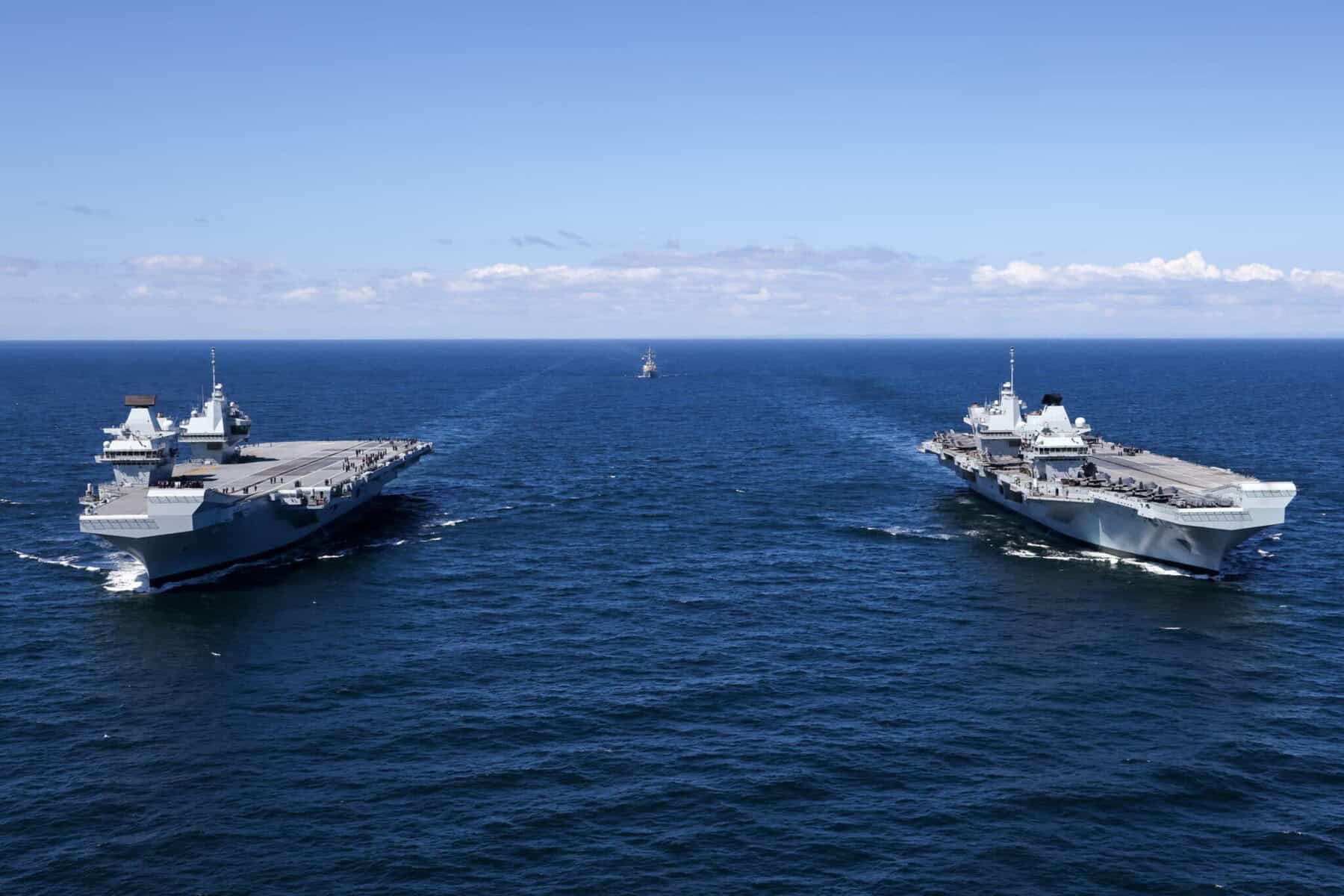
When we landed on the HMS Prince of Wales as a heavy-lift challenge project with the Royal Navy in 2023, people were excited and intrigued at the possibilities ULTRA offered and of course, it generated a lot of interest. We have come to understand that the system needed to be assessed while in use on a regular basis here in Ukraine. Now ULTRA is doing that and other national militaries are starting to think that they could apply ULTRA to their use case.
In which other countries are your drones currently being used?
Windracers is a dual-use platform so that means it can be used for defence and civilian use cases. We have a number of civilian customers.
We work with the British Antarctic Survey, where ULTRA has flown missions in Antarctica to collect scientific and environmental data in areas that are inaccessible to people. In Norway, we are supporting research programmes with NORCE, operating in Arctic conditions to gather data that supports climate and environmental research.
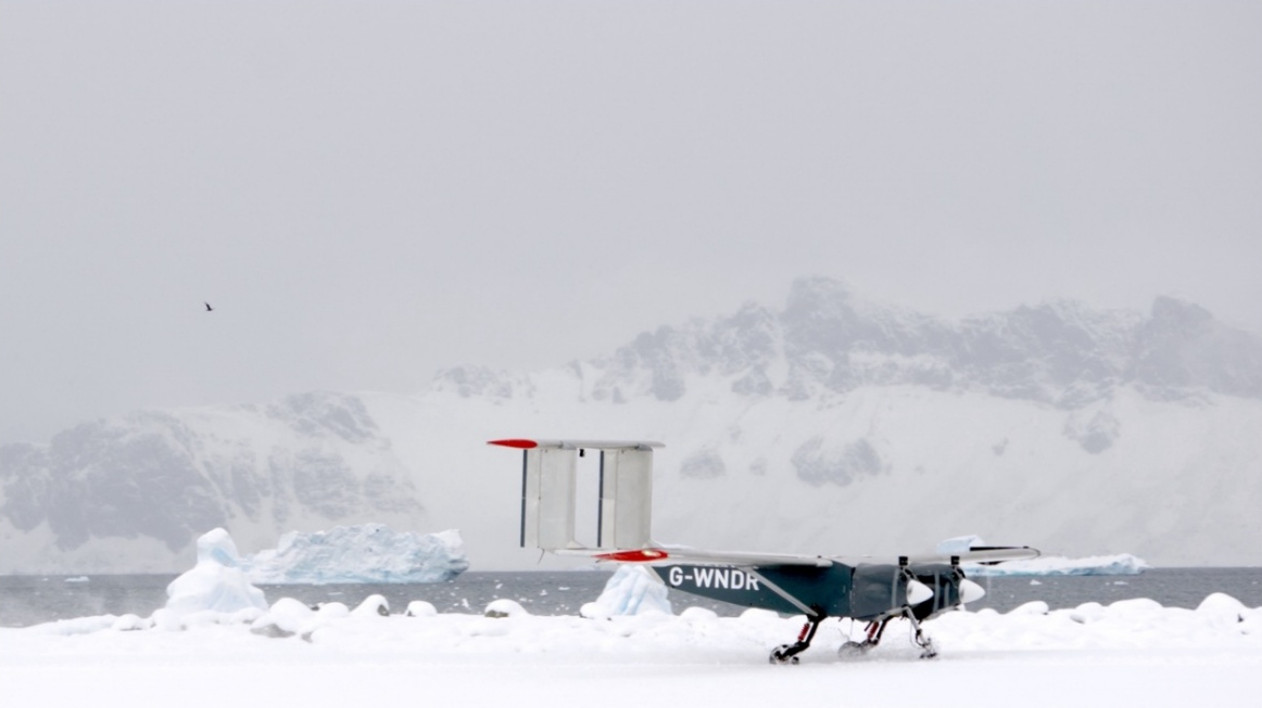
In the United States, we are working with the University of Alaska Fairbanks on cold weather testing and logistics capability for remote communities. Our aircraft are operating in temperatures of below -20 degrees celsius, demonstrating reliable autonomous flight in extreme conditions where ground transport is restricted.
Across these programmes, the common requirement is the ability to operate safely, autonomously and repeatedly in harsh environments, returning with data or cargo without putting people at risk. We also have further civilian cargo logistics activity underway, with additional announcements expected in due course.
Are there two main types of drones — logistics and reconnaissance? Are these the basic categories?
ULTRA is a single system and one that can be configured to support different missions and use cases. How it gets configured depends on the requirements of the mission and the outcome the user wants to achieve. Take for example reconnaissance or data gathering missions. Windracers doesn’t try to tie in customers, saying: “You must use this camera, you must use this radio, you must use that.” We leave it open for them to put the things in there they think are best or that are changing and we assist in the integration of that technology to ULTRA’s base configuration.
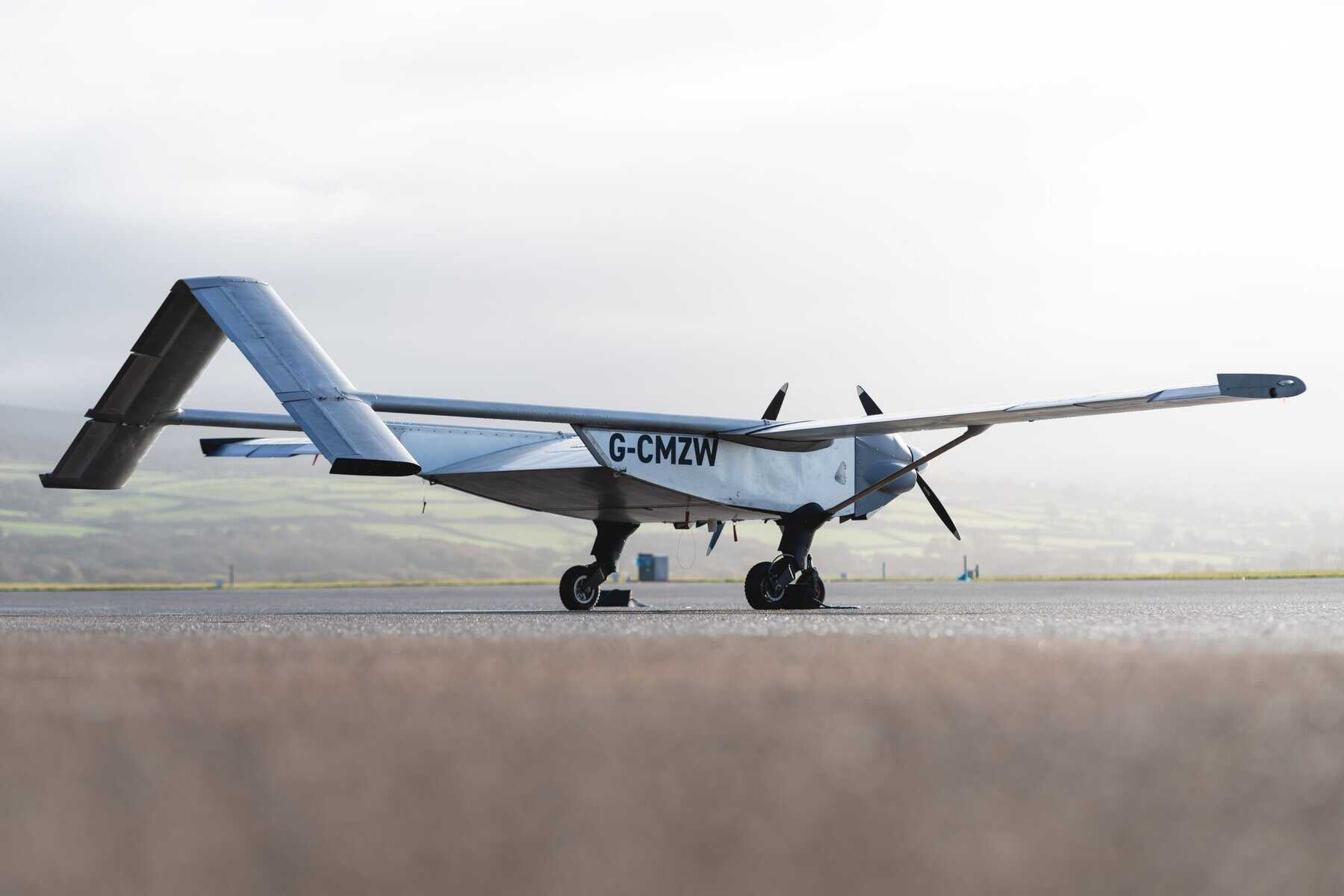
In that sense, it is no different than crewed aviation, as it can be used as reconnaissance, as resupply, or to drop things or sense things. The difference is the autonomy of the system, which enables missions to be carried out without putting pilots in harm’s way or make missions possible when they weren’t previously. It’s the customer’s requirements to complete a mission which drives how ULTRA is configured and ultimately used by a customer.
For example, if a customer says they want to install a radar on the Ultra, what would that integration process look like?
If they have their own radar system, we would work with them to understand what is the size of the radar, what power is needed, what they’re trying to achieve in terms of what the mission is: Do they want to collect something from radar? Is it in a contested environment? Is it an extreme environment? Do they have an operator who uses it especially? So we work with them to understand what it is, and then we use specialists to lay it out and put it together. And we can do that relatively quickly, which is a lot of the feedback that we’re doing here.
Our users have come to us saying they wanted to do something different, and we’ve been able to do it in weeks. And some of those use cases obviously are sensitive, but we’ve been able to deliver operations we’ve never done before, with a system we’ve never seen before, and we’ve been able to integrate it, develop it, test it, and field it within weeks.
And if the situation is different and a customer says, ‘I want a radar here,’ meaning they are asking for a complete solution — can you source the required equipment and integrate it to deliver a full system? A radar, an optical system, or any other payload?
That’s possible and we have done that type of integration work for virtually all customers. Windracers has engineered ULTRA to be flexible and adaptable to customer requirements. Some customers specify the components they need while others define a capability and let us propose the solution. In either case, we are able to integrate the necessary equipment to deliver a complete system that meets the customer’s operational requirements.
But doesn’t this complicate the development of a serial, mass-produced product?
It could complicate development if not managed closely. The fact of the matter is that improvements or integrations required by customers, if they are useful to future or current customers, get rolled into a roadmap of product advancements. Windracers is learning so much about ULTRA as it performs missions on a daily basis which gets fed back into engineering – this part of the ongoing product development process – so that core product configuration is advancing continually.
In Ukraine, when we see a platform that can carry payloads, we often assume it could be explosives. Do you consider developing kamikaze drones or deep-strike drones?
Windracers’ primary focus is advancing the capabilities of the ULTRA platform — enhancing its range, payload capacity, autonomy, and resilience to deliver maximum value across both defence and civilian applications.
What about training? How does it work in Ukraine?
We operate a standardised training programme that is adapted to suit the trainee’s background, whether or not they have prior aviation experience. In most cases, both operators and maintainers can be fully trained within a matter of weeks. The programme blends practical, hands-on instruction with structured learning, enabling participants to quickly become proficient and operationally useful on the ULTRA platform.
How long does the training typically take?
Training duration and format vary depending on the intended use case. Typically, our team conducts an intensive 3 week-long programme, either by deploying to train forces on site or hosting sessions at a mutually convenient location. The aim is always to provide the most efficient and expedient path to getting personnel fully trained and mission-ready.
Підтримати нас можна через:
Приват: 5169 3351 0164 7408 PayPal - [email protected] Стати нашим патроном за лінком ⬇
Subscribe to our newsletter
or on ours Telegram
Thank you!!
You are subscribed to our newsletter
