



Popular


Tudor Curtefan is the editor-in-chief of Romania’s leading media outlet dedicated to security and defense issues, Defense Romania. He is also a steadfast friend and supporter of Ukraine. Militarnyi highly values the professionalism of its Romanian colleagues and the work organized by Tudor. That is why, after the presidential elections in Romania, we decided to offer our readers concise, reliable information about the realities in Romania. After all, Romania is an extremely important country for us. Much more important than it may seem, if we judge by the amount of attention it receives in the Ukrainian media.
Romania has just concluded its presidential elections. How prominent were security-related issues during the campaign? How did the candidates address them, and how did the Romanian public respond? What does the outcome signify in terms of national and regional security?
It was a very tough campaign. The stakes were high, especially after the we canceled the elections last November. Although security issues are the responsibility of the president, much was discussed about the economic situation and other internal issues that are more related to the government than the presidency.
Indeed, in the second round, when the final ballot was between the centrist, pro-European mayor of Bucharest, Nicușor Dan and the populist Geroge Simion, the issue of security had a major impact. It was actually Nicușor Dan’s main campaign theme, especially in the context in which George Simion was supported by the pro-Russian candidate Călin Georgescu, who won the first round of the elections last year, which were later canceled.

Society was very interested and feared much, not necessarily Romania’s exit from the EU or NATO, which would not have been possible, but it was afraid of isolationism and Romania being pushed into Russia’s sphere of influence. Nicușor Dan knew how to turn the second round of the presidential elections into a referendum on Romania’s pro-European activities, alongside its European allies, which, fortunately, was the winning card.
To what extent does the issue of military support for Ukraine divide Romanian society? Why do some people oppose assistance to our country?
I think it has come to this point because of the lack of communication from the Romanian authorities and a wrong strategy. Romania is the only country that has kept the military aid provided to Ukraine secret since the beginning of the unprovoked Russian invasion. I am convinced that this decision came from former President Klaus Iohannis. But it has fueled many conspiracy theories.

In the context of the economic situation in the country, which is not exactly the best, many live with the impression that aid to Ukraine could be redirected to domestic needs. Which is completely false. Fortunately, most understand that Ukraine acts as a shield for Romania and for the Republic of Moldova, with Moldova being an incredibly sensitive subject for Romanian society.
Another factor amongst these is war fatigue. But I want to emphasize that, at the beginning of full scale invasion, Romania created a humanitarian hub and Romanians welcomed Ukrainians with open arms. This feeling of solidarity with Ukraine still exists in Romania.
We have occasionally heard rhetoric about Romania potentially “reclaiming” certain Ukrainian territories. In your view, how widespread is this historical resentment in Romanian society today? What fuels it — and what would it take to overcome it?
You have touched on a very sensitive issue. Much of the rhetoric against Ukraine is based on the narrative of the “lost territories” from the period of “Greater Romania” (1918 – 1940), parts of which are part of Ukraine to this today. It is, of course, absurd to demand in 2025 that historical law prevail over international law. It is also extremely dangerous to fuel revisionism, especially given the fact that there are Hungarian extremist groups in Romania that lay claim to Transylvania, a Romanian region, for which the Kingdom of Romania entered into a world war.
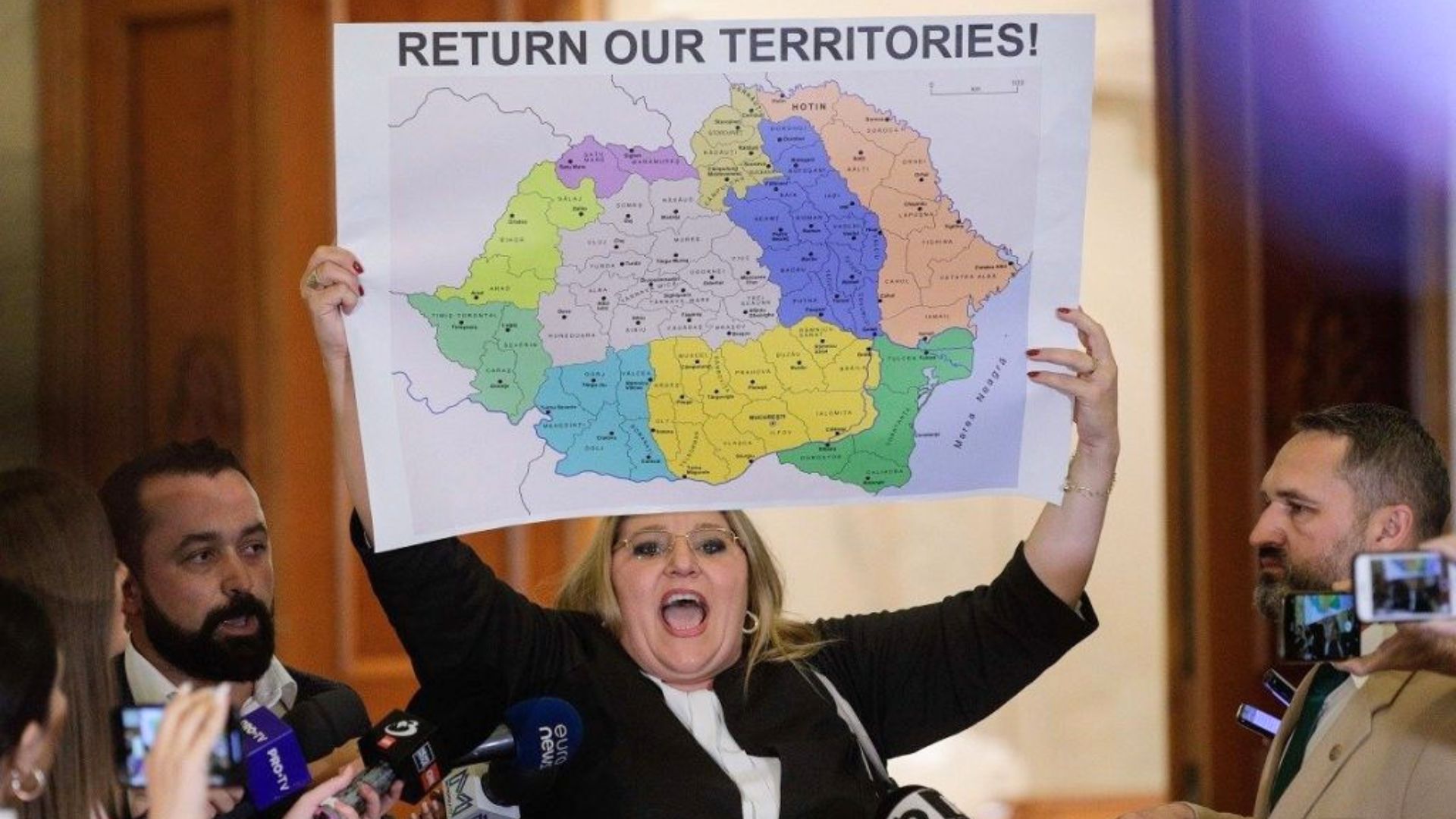
You have to ask yourself – who benefits from such a narrative? I think we all know the answer. These forms of destabilization are part of a major hybrid war that the Russian Federation is waging to destabilize our societies. It is what I call the „weaponization of history”.
I will explain briefly. Russia is not a popular country in Romania – it could never be beloved. Historically, there were 12 Russian invasions of Romanian territories, and the terrible communist regime, implemented at gunpoint by Soviet tanks, left deep wounds. As Russia cannot present itself as a realistic political alternative in Romania, Russian propaganda instead weakens trust in the West by fueling nationalism. Their narrative makes use of historical Romanian irredentism, the glory of Greater Romania, and various theories that Romania is a colony of the EU and the USA nowadays. Facts paint a different picture entirely: Romania’s GDP has tripled since its integration into the EU, Romania has absorbed 100 billion euros of funds and contributed 30 billion to the EU budget from 2007 since its accession until today.
The paradox is that the very propaganda that is being spread today, that the rights of the Romanian community in Ukraine are not respected, has never even been a subject of public discussion in the last 35 years. It only appeared two years ago in the context of the war. Romania is part, as I was saying, of a hybrid war that Russia is waging against the West.
I think that to overcome this resentment, it takes time, as well as investment in culture and education.
Presidential candidate Georgescu ran on an openly anti-NATO platform, primarily promoting his narratives through TikTok. How seriously is Chinese interference taken in Romanian expert and political circles? Or is it still widely assumed that only Russia engages in such activities?
Until the elections were canceled and until TikTok’s involvement in promoting Călin Georgescu, Chinese interference was never discussed in Romania. Even today, most focus on Russian interference and examine China only as a factor that contributed to a Russian plan.
There have been secret service intelligence reports, which directly stated that there was Russian interference in the elections. Since then, people have been demanding that more evidence be declassified and presented. I have no doubt that Russian networks were behind the support of Călin Georgescu.
On the other hand, Călin Georgescu declared zero lei (Romanian currency) as campaign expenses. I have been participated in several electoral campaigns over the years and I know full well what an electoral campaign entails. It is impossible to win presidential elections with zero funding. The authorities must follow and investigate the money. Everything about Călin Georgescu is rotten.

The full-scale war in Ukraine has been ongoing for over three years now. It’s a very transparent conflict — we can see how both armies operate, and Ukraine shares much of its battlefield experience with partners. What lessons is the Romanian military drawing from this war? What kind of discussions and reforms are taking place among your defense leadership — and are they being implemented?
I think everyone is watching very closely what is happening in Ukraine, and trying to learn all the lessons. Indeed, Romania has been influenced by several lessons. For example, our strategists did not believe that it was possible to see an artillery war again in Europe, and the Nagorno-Karabakh conflict reinforced their belief that this type of 20th-century warfare is over. Ukraine has shown us that this is not the case, and that modern warfare is a mix between emerging systems and the old ways of waging wars.
For a long time, there have been no investments in artillery or tanks in Romania. After Russia invaded Ukraine, this strategy changed, and Romania bought its first batch of 54 K9 Thunder self-propelled howitzers, as well as a batch of Abrams tanks. According to our information, negotiations are underway for further purchases, including the K2 Black Panther model, as Poland has done.
The way in which drones operate is also being closely monitored by Romania. It is amazing what Ukraine has achieved. Without any submarines or surface ships, you managed to push the Russian Fleet away from the Black Sea. Given the fact that the Romanian Naval Forces have major issues, including outdated equipment, this lesson is being followed very closely here.

Last but not least, after Russia invaded Ukraine, the Romanian Army began, in timid steps for the time being, the process of rebuilding the Army reserve, which is very old and unfortunately not prepared for modern challenges.
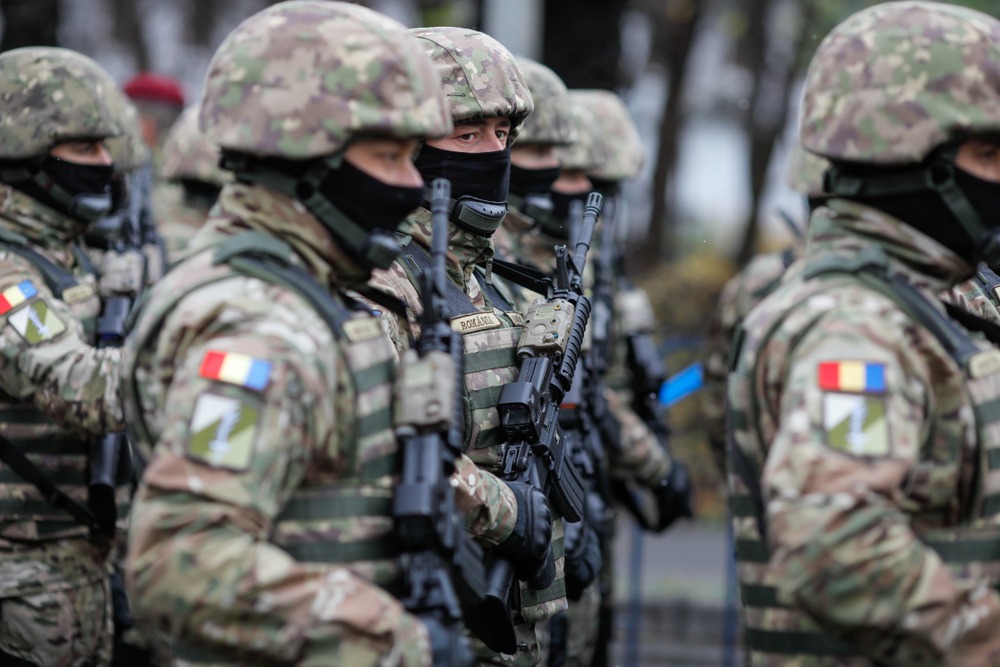
How does Romanian society perceive the growing militarization of our era? Do sociological surveys suggest that Romanians are prepared to defend their homeland with arms if needed? Are there issues with the recruitment of volunteers to the Armed Forces? And is there any public debate about introducing mandatory military service?
Ever since 2014, when the Russian war against Ukraine began, after the NATO Summit in Wales, Romania has been among the first countries to allocate 2% of GDP to defense. Recently, the newly elected President Nicușor Dan announced a gradual increase to 3.5%. There has been no major criticism from Romanian society.
On the other hand, there is a very strong resistance to returning to mandatory military service. I do not think this can happen at the moment. And I do not think that logistics and infrastructure would allow such a measure in the nearest future.
There are definitely problems regarding recruitment. Usually, more people leave the military system than enter. This is a major issue. Romania is currently actively discussing the launch of a voluntary reserve program with financial incentives. This is important because, as I mentioned earlier, the weakness of the reserve is one of the most vulnerable links in the country’s defense capabilities.
What role does Romania’s defense industry play in the rearmament of its Armed Forces? What can it currently produce for domestic needs, and what are the most significant contracts under way?
All defense contracts—whether tenders or intergovernmental agreements (G2G)—provide for the revitalization of the Romanian defense industry through offset agreements and localization of production. The problem lies not with private companies, which operate quite efficiently, but with state-owned enterprises, many of which have become hostages to political interests. Serious reform is needed to truly modernize the industry. This can only be achieved with the support of foreign technology partners.
Today, Romania has the potential to produce armored vehicles, combat vehicles, and ammunition, including 155 mm caliber. Investments are currently being made in various production sites, and serial production of 155 mm shells is set to begin in the coming months.
However, reform must start from the ground up. For example, Romania currently imports gunpowder from Serbia and China, which seems absurd and poses a critical vulnerability. During the communist era, there were three gunpowder factories in the country, but they are now in decline, although attempts are being made to restore them.
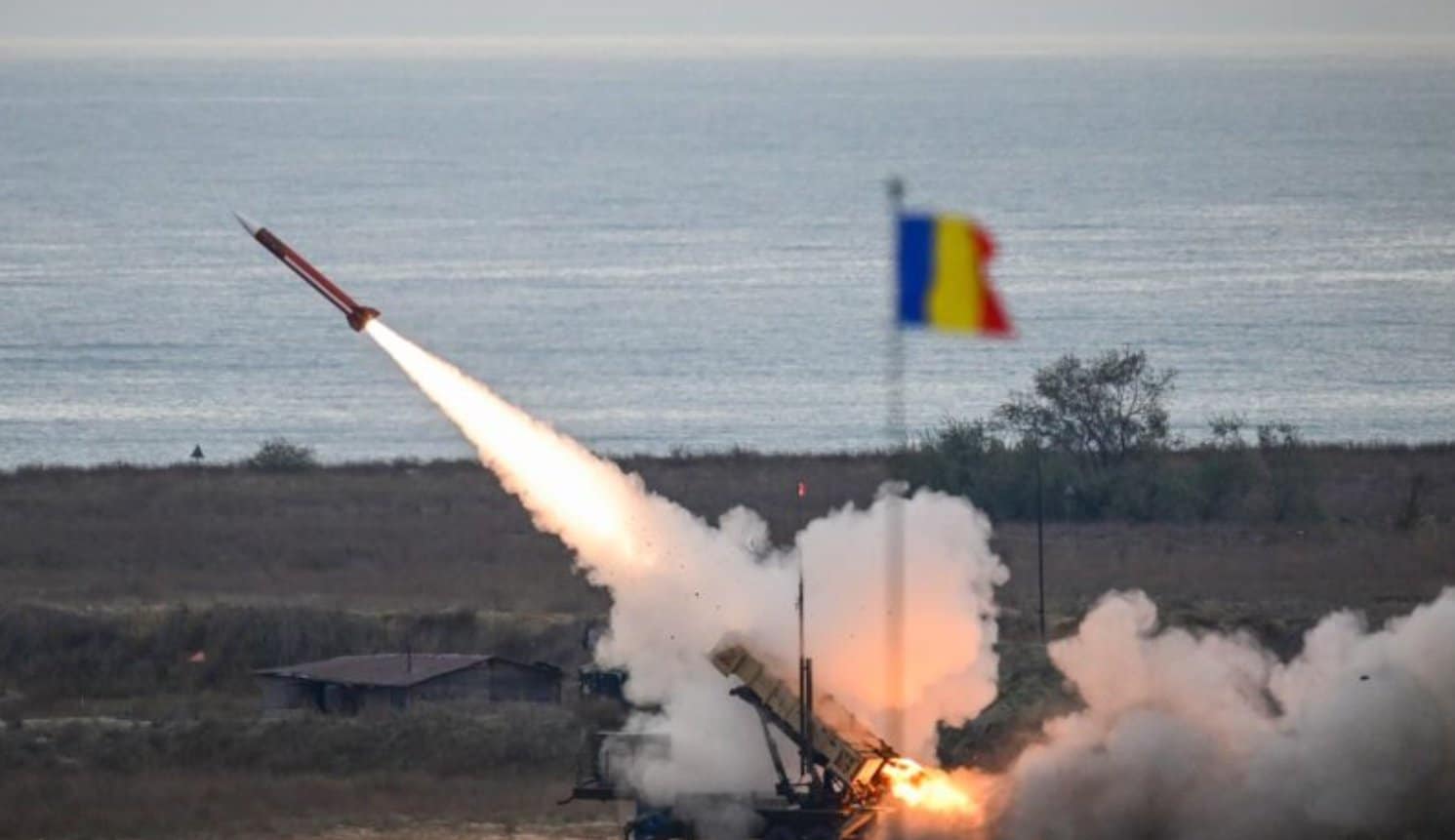
Among the main contracts underway, the following can be highlighted:
Thus, Romania is gradually moving from a “consumer country” model to a manufacturing country and partner in the Euro-Atlantic defense supply chain.
What is Romania’s policy regarding defense procurement from abroad? Is there a clearly defined strategy? What matters most — price, diplomatic relations, technical performance, or something else?
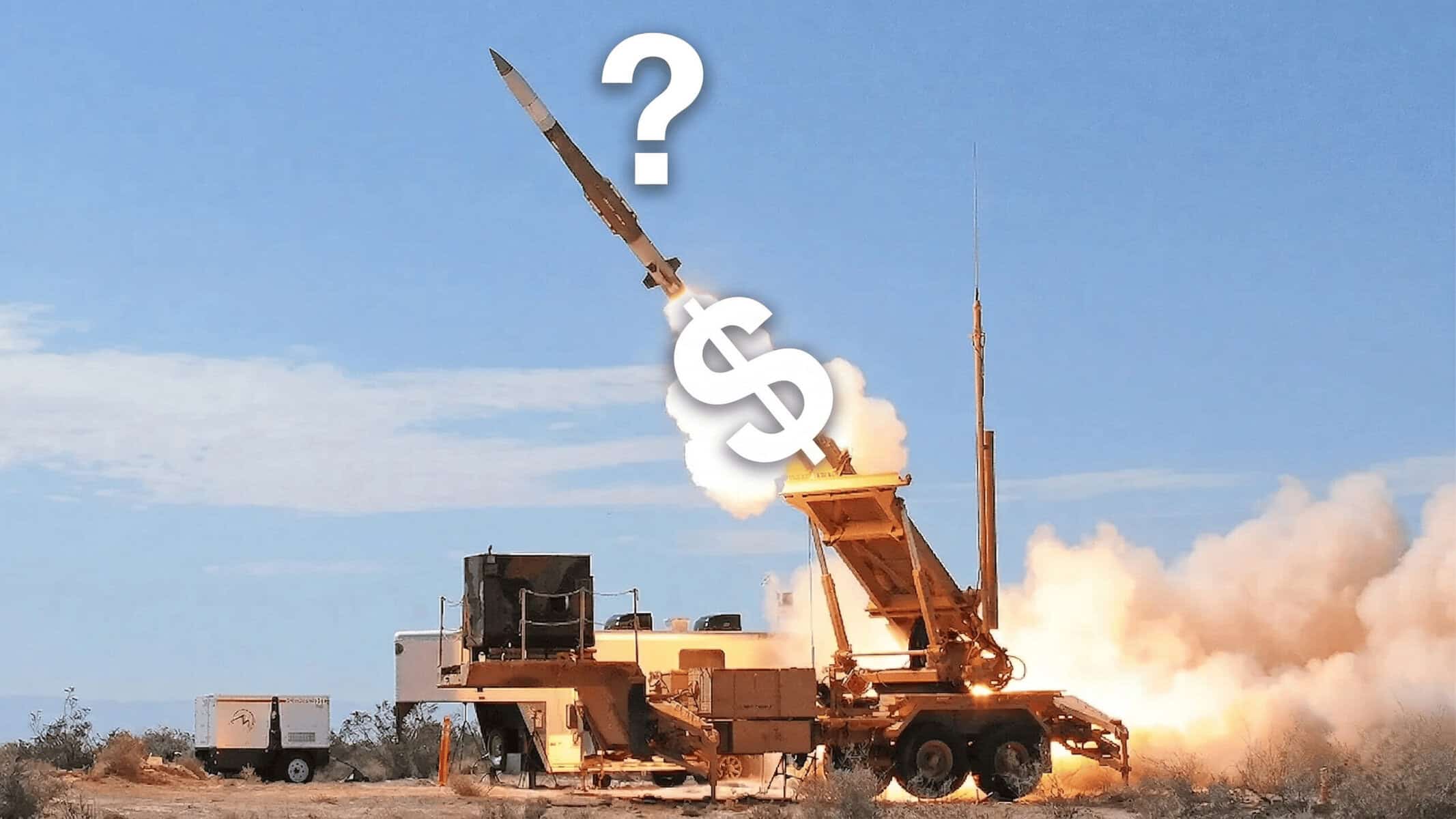
Diplomatic relations and strategic partnership with the US, which is Romania’s main security pillar, played a decisive role. In contracts such as F-16, Patriot, HIMARS, or Piranha 5, the political factor undoubtedly played a crucial role.
When it comes to tender procedures, the decisive factors are price and the involvement of the Romanian defense industry in the production process.
Unfortunately, tenders are cumbersome and lengthy. Many are canceled, companies challenge decisions in court, and often the procedure has to be restarted. This is why contracts between governments (G2G) appear to be much more efficient — they are free of such procedural difficulties and allow critical purchases to be made more quickly.
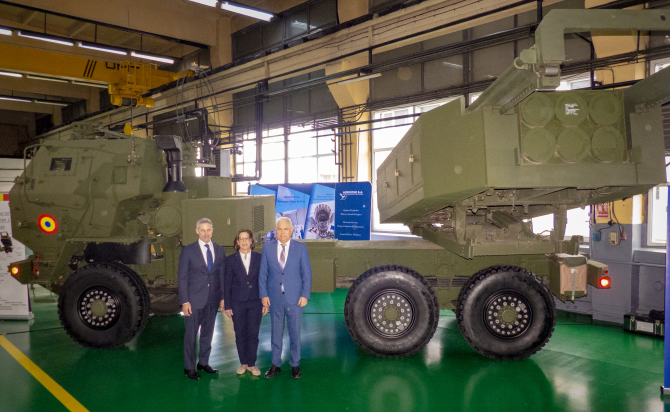
Where do you see the greatest potential for industrial defense cooperation between Ukraine and Romania? What could we realistically build or develop together? In your view, what should Romania consider buying from Ukraine — and what could Ukraine benefit from purchasing from Romania?
Military cooperation between Romania and Ukraine is already underway. At the 86th Air Base in Borcea, Romania, where the only F-16 training center in Europe is located, a batch of Ukrainian pilots are currently training alongside Romanian pilots. In the same manner, Ukrainian assault boat personnel are also training in Romania. Ideally, we would take this cooperation to another level, to that of defense industries.
A great opportunity we have is Readiness 2030. I expect that in the coming years, Romania will also turn to European companies for its military measures in an increasing capacity. Cooperation with the Ukrainian defense industry could be the winning card.
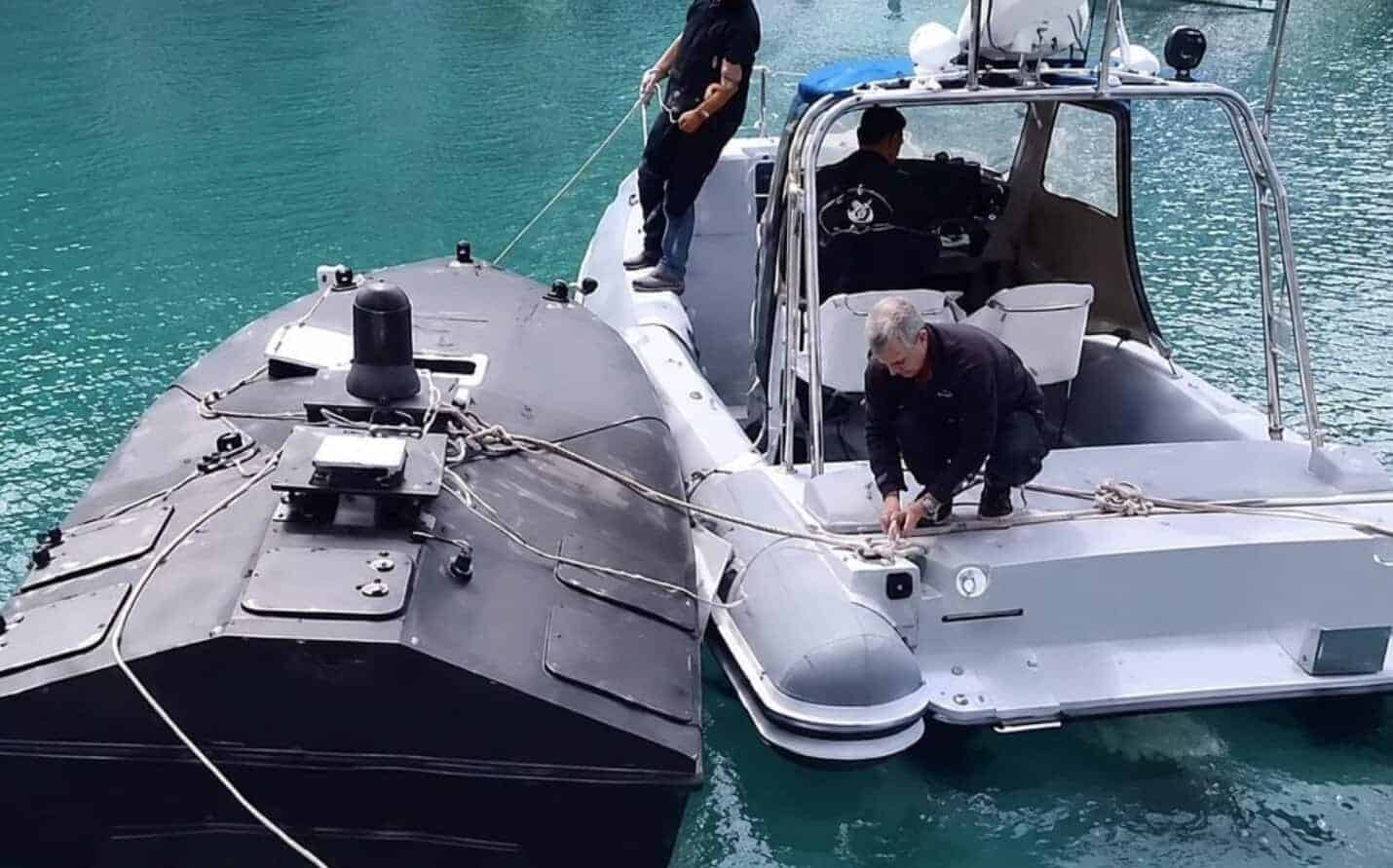
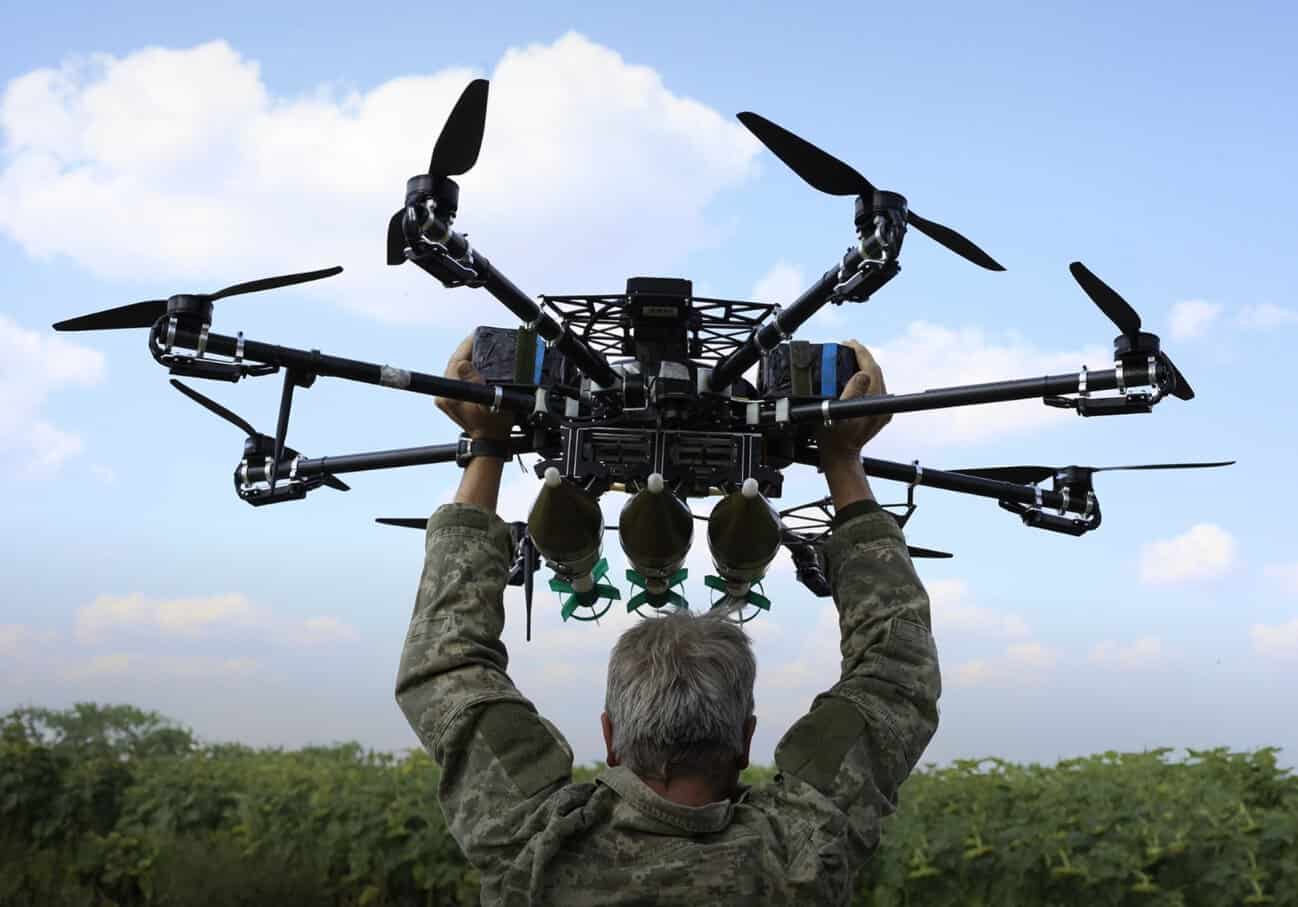
I think we can jointly develop drones or ammunition, and that our industry can benefit from the wartime experience that your industry has. Ukraine undoubtedly excels in drone technologies and Romania could also benefit from access to such systems. This is especially true for maritime drones, which are the new stars on the battlefield, and Romania definitely needs such capabilities.
Another promising area is the Neptune systems and missiles, which have already proven their effectiveness. Such cooperation could significantly strengthen the Romanian Naval Forces.
Ukraine, in turn, could purchase ammunition from Romania. But in my opinion we can identify other promising areas, including armored vehicles or combat vehicles produced in Romania by foreign companies. Romania also has a strong naval industry. I think there is a possibility in the future that Ukraine could order warships that could be constructued in Romania.
This could become a platform for strategic partnership, where both sides gain access to technology, expertise, and new markets.
Does Romania still have military equipment in reserve that could be directly transferred to Ukraine — for instance, armored vehicles or artillery systems?
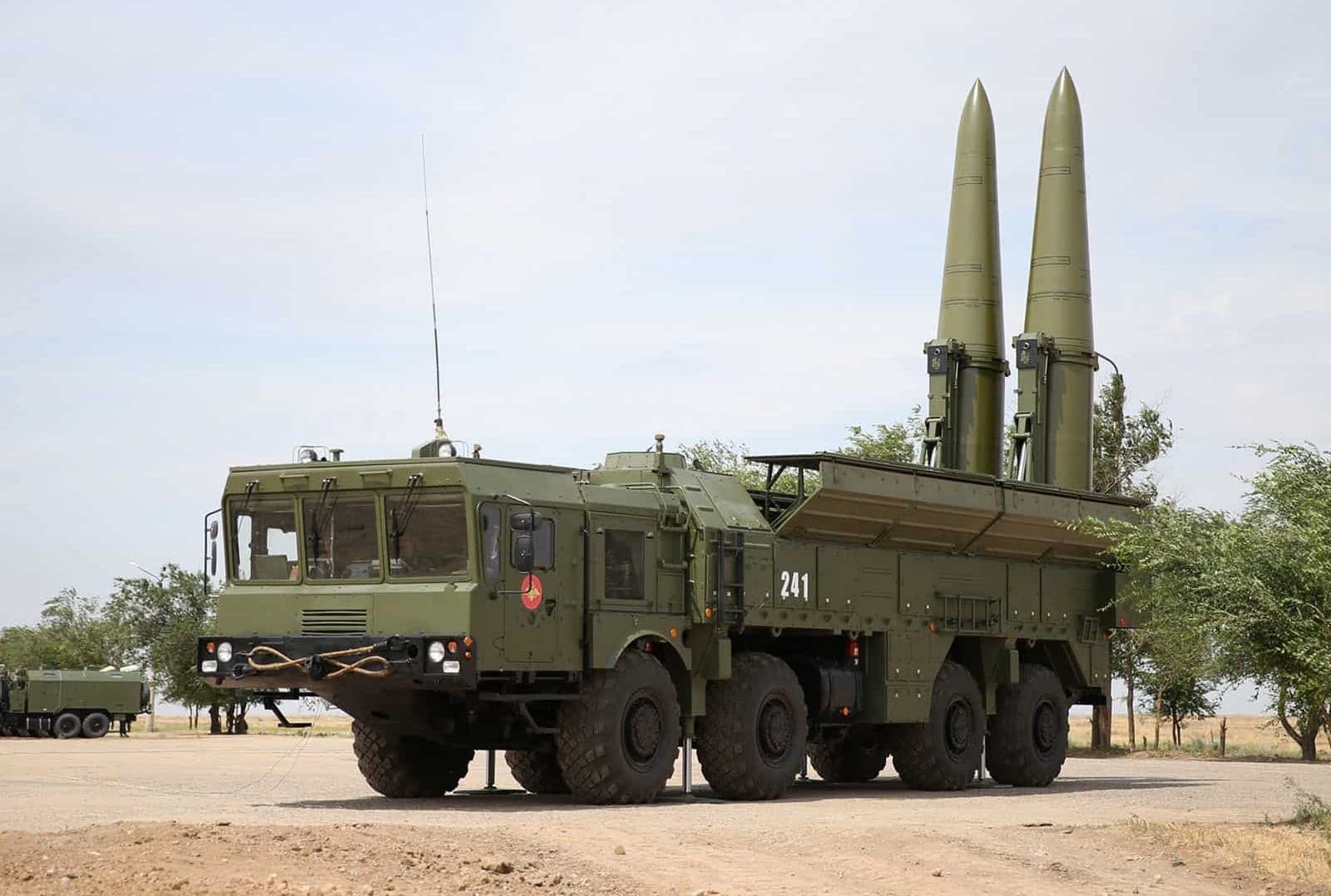
Unfortunately, everything that was sent to Ukraine, except for the Patriot system, remains classified. It is difficult to estimate what equipment is still available. Although Romania has not announced it, we have identified Romanian weapons on the front. For example, TAB-71 amphibious armored vehicles, 122 mm APRA-40 launchers, machine guns as well as AG-7 and AG-9 grenade launchers.
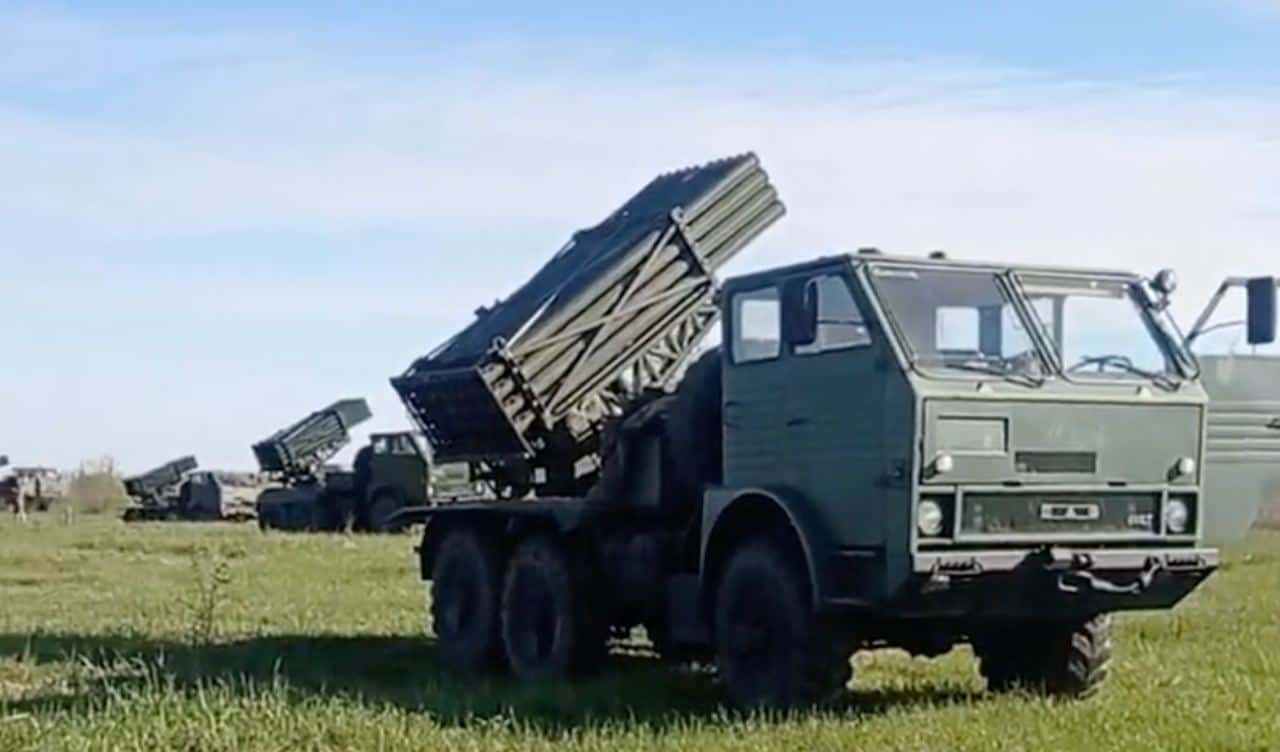
As everything is classified, it is difficult to say whether there is a surplus of anything left. In 2023, Romania decommissioned MiG-21 LanceR fighter jets that remain in storage. But we are talking about very old aircraft that I doubt Ukraine would benefit from in the realities of modern warfare.
What I think would suit Ukraine’s needs would be the MLI-84 combat vehicles. Romania is launching a large-scale program this year to upgrade its military hardware at a cost of around €3 billion. Accordingly, the potential transfer of MLI-84s to Ukraine is only possible in the future, after new vehicles have been procured.
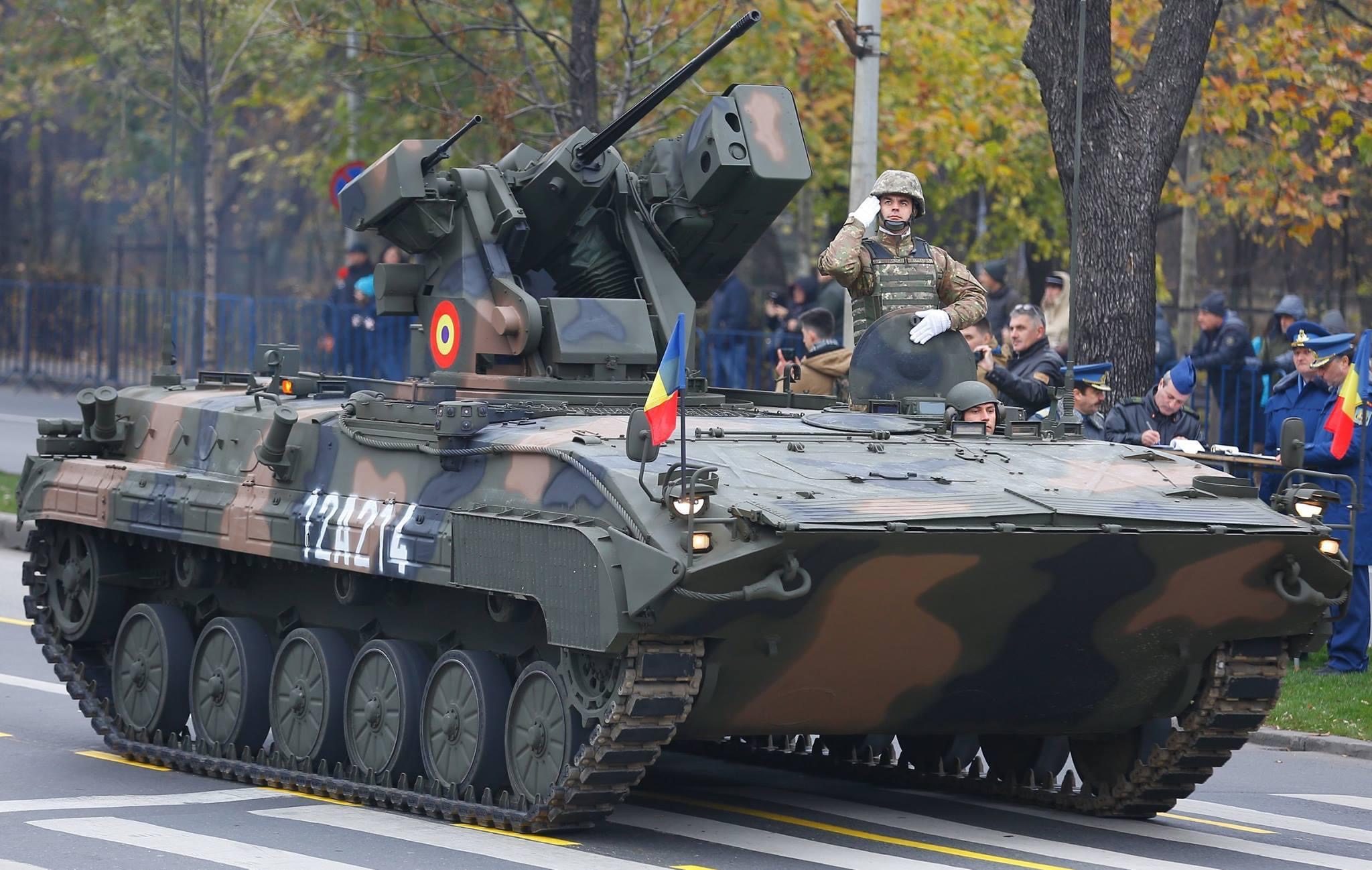
There is also a possibility that Soviet weapons are still stored in warehouses. If this is the case, they could easily be transferred to Ukraine. Personally, I would be very happy if the new government and the newly elected president declassified information about military aid to Ukraine so that we could clearly understand what Romania has already provided and in what quantities, and what else we could offer.
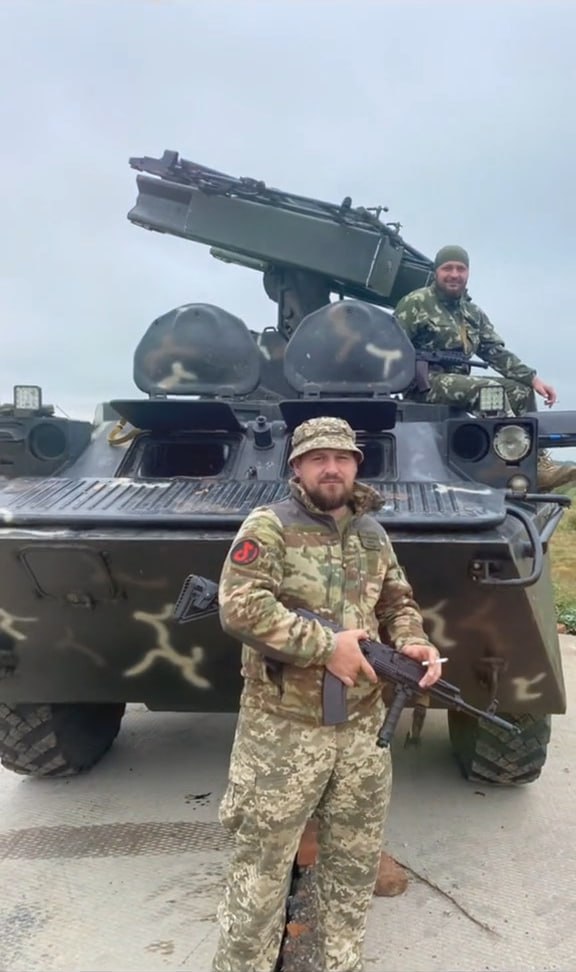
The Black Sea has become a key strategic domain. How is Romania rethinking the future of naval power in the region — especially after the Russian Black Sea Fleet has effectively lost its operational capabilities due to Ukraine’s successful use of naval drones?
The Black Sea is crucial for Romania’s security and Ukraine acts as a shield not only for itself, but for our interests as well. I want to emphasize that Romania not only could, but should benefit from Ukraine’s experience with naval drones.
Especially considering that in the Black Sea, in Romania’s Neptun Deep area, there are reserves of natural gas estimated at 100 billion cubic meters. It is expected that, once production reaches its peak capacity, Romania will become the largest natural gas producer in the European Union and a net gas exporter. This is, of course, is contradictory to the interests of the Russian Federation.

I am certain that protecting critical offshore infrastructure can be done only by learning the lessons that Ukraine can teach us, based on experience from this war.
Maritime drones are precisely the technology that has enormous potential for Romania, and cooperation with Ukraine in this field within the Black Sea region could significantly enhance the combat capabilities of the Romanian Naval Forces.
Romanian shipbuilders have seen notable success in recent years. On the other hand, Ukraine will eventually face the massive challenge of rebuilding its own navy. What opportunities exist for cooperation in this area, and what advantages can Romania offer as a manufacturing country?
The most “deprived” component of the Romanian Armed Forces today is the Naval Forces. The Black Sea is a closed sea, and we see that Turkey, in accordance with the Montreux Convention, effectively controls access to it through the Bosphorus and the Dardanelles. In this sense, the fleet needs to be rebuilt not only in Ukraine but also in Romania. And we can do this together.
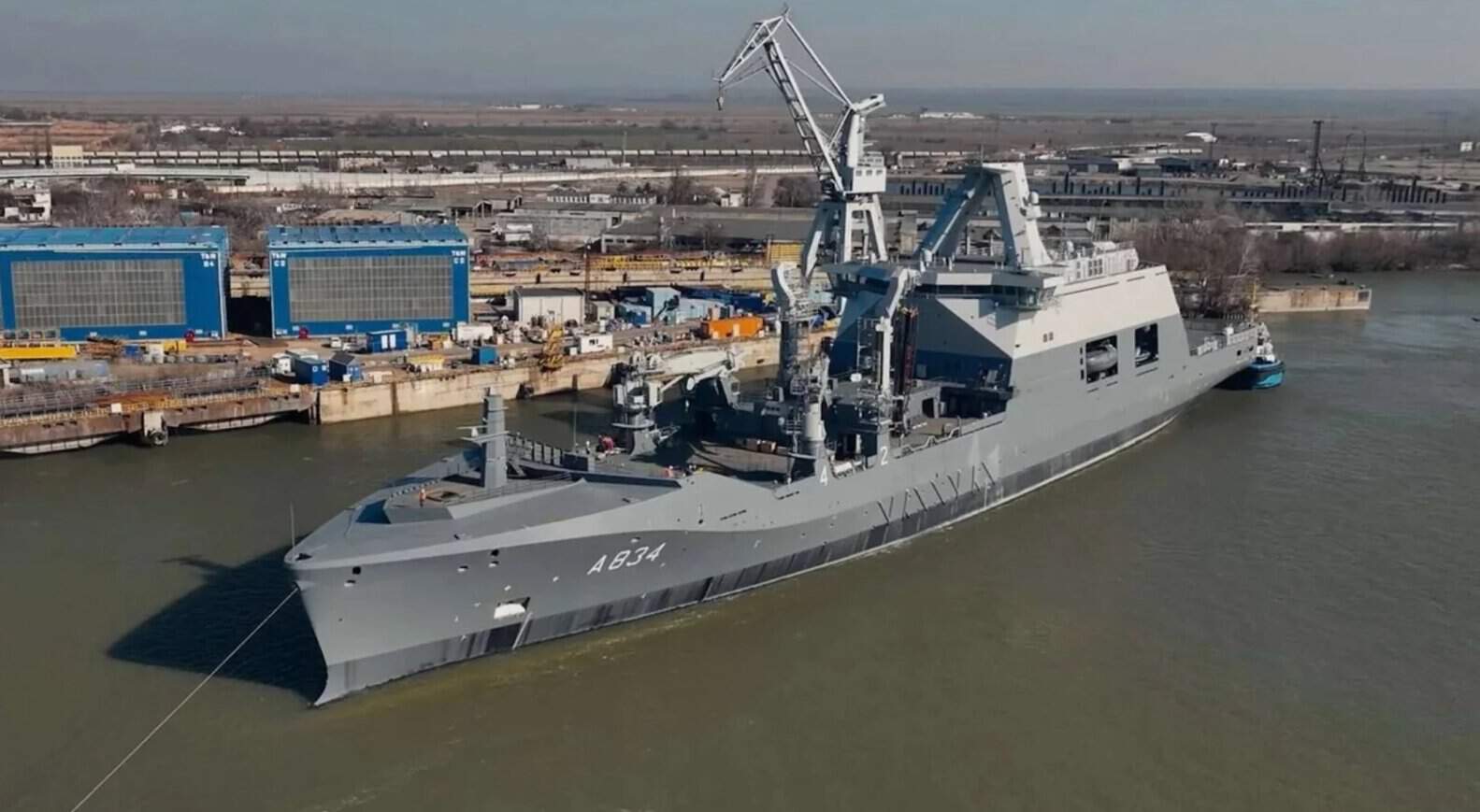
Indeed, Romania has several modern shipyards that manufacture military vessels. The most notable example is the shipyard in Galati, where Damen has already built more than 40 combat ships for various countries, including NATO members such as the Netherlands, Germany, and Portugal. These are complex vessels, ranging from landing platforms and helicopter carriers to frigates, corvettes, support vessels, and patrol boats (OPVs).
The paradox is that no ship for the Romanian Navy has been built at this shipyard in Galati. Instead, a political decision was made in favor of purchasing patrol vessels from Turkey, despite the fact that Romania has its own shipbuilding capacity. This, however, is a separate discussion.
Returning to your question: yes, I am convinced that the Romanian shipbuilding industry can play a key role in the restoration of the Ukrainian fleet — and at the same time in the modernization of Romania’s own fleet.
In the current circumstances, close cooperation and the presence of strong fleets from both countries in the Black Sea are extremely important against such an aggressive and unpredictable enemy as Russia.
Підтримати нас можна через:
Приват: 5169 3351 0164 7408 PayPal - [email protected] Стати нашим патроном за лінком ⬇
Subscribe to our newsletter
or on ours Telegram
Thank you!!
You are subscribed to our newsletter