


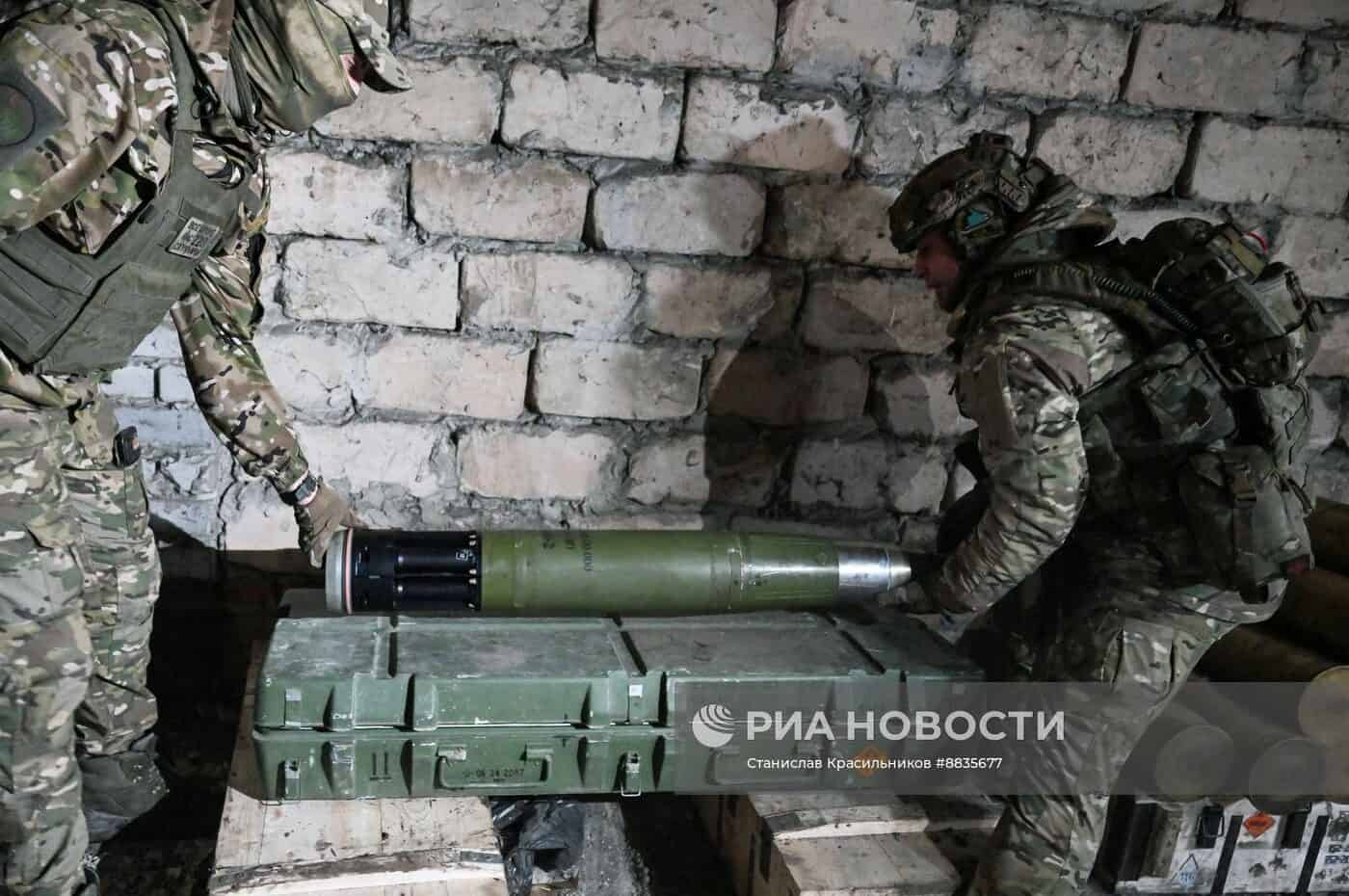
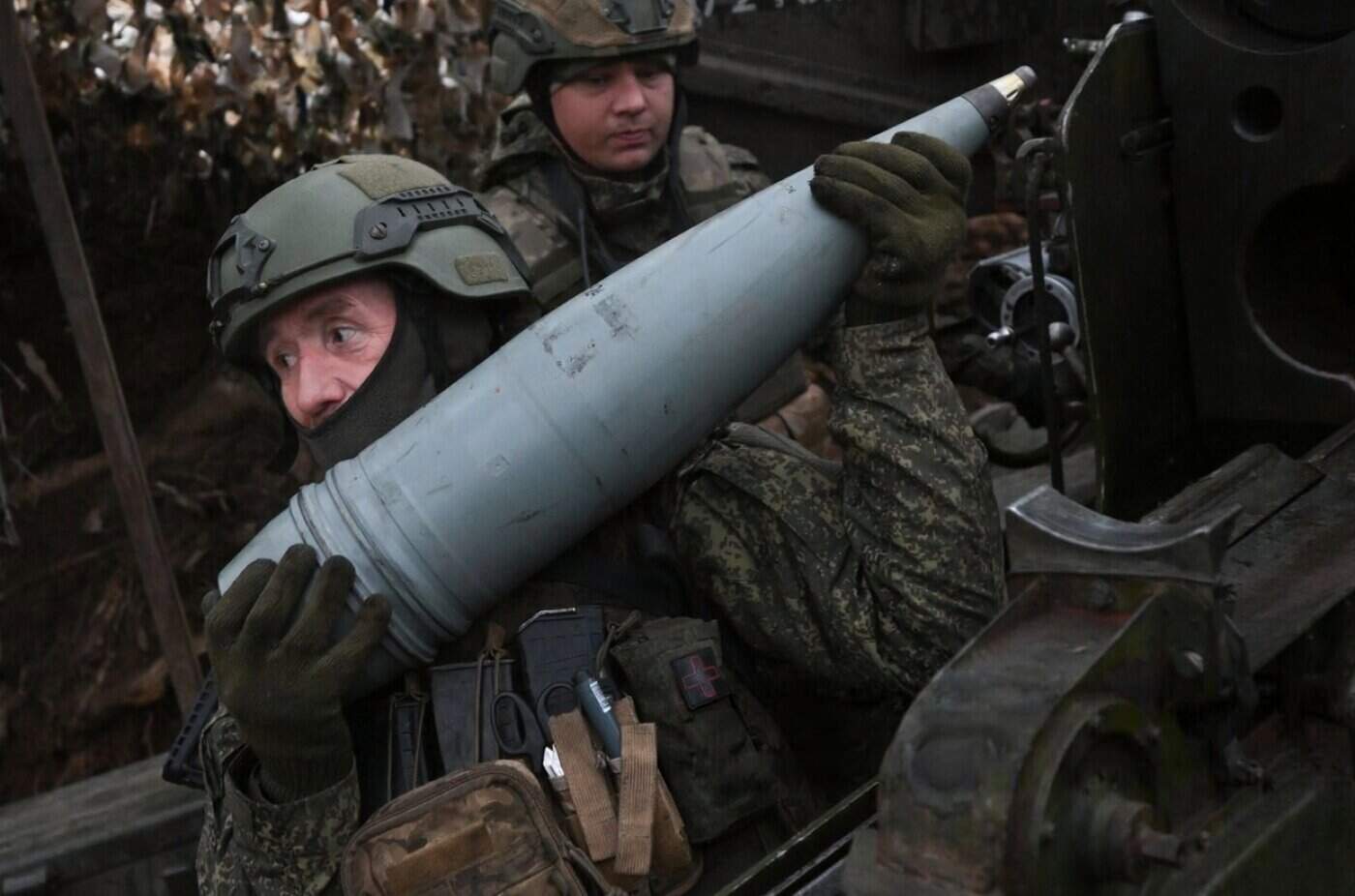
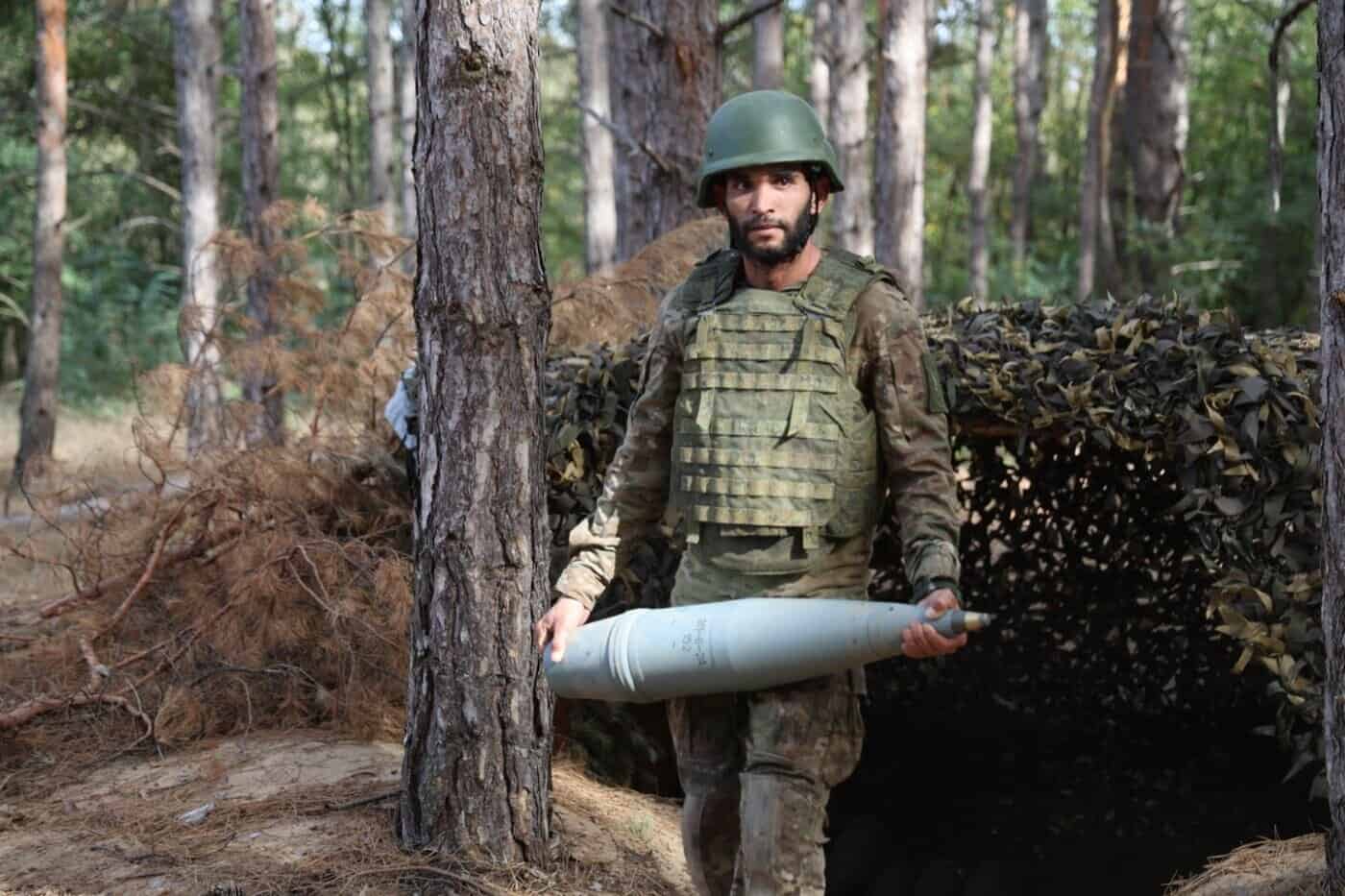
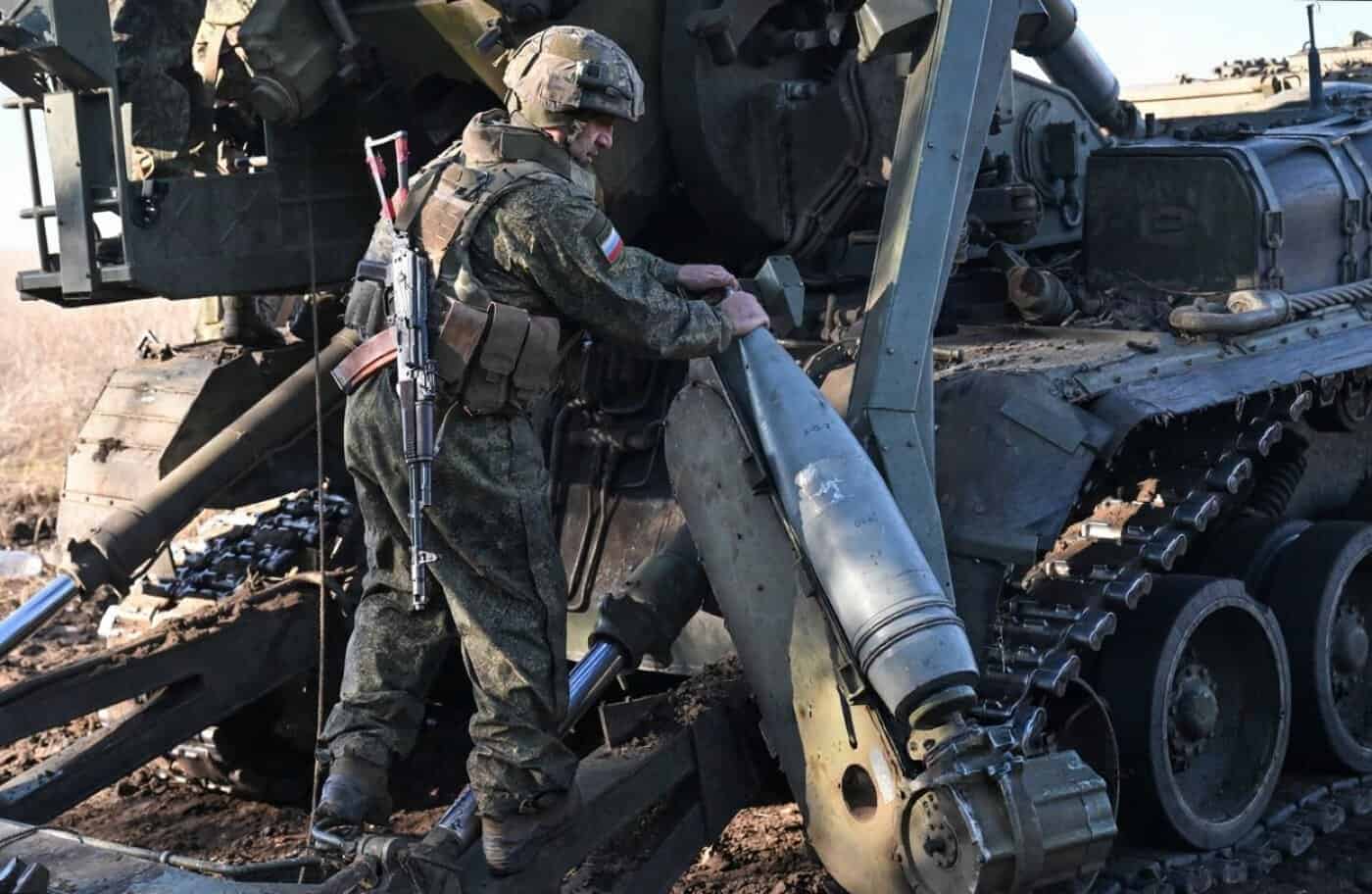
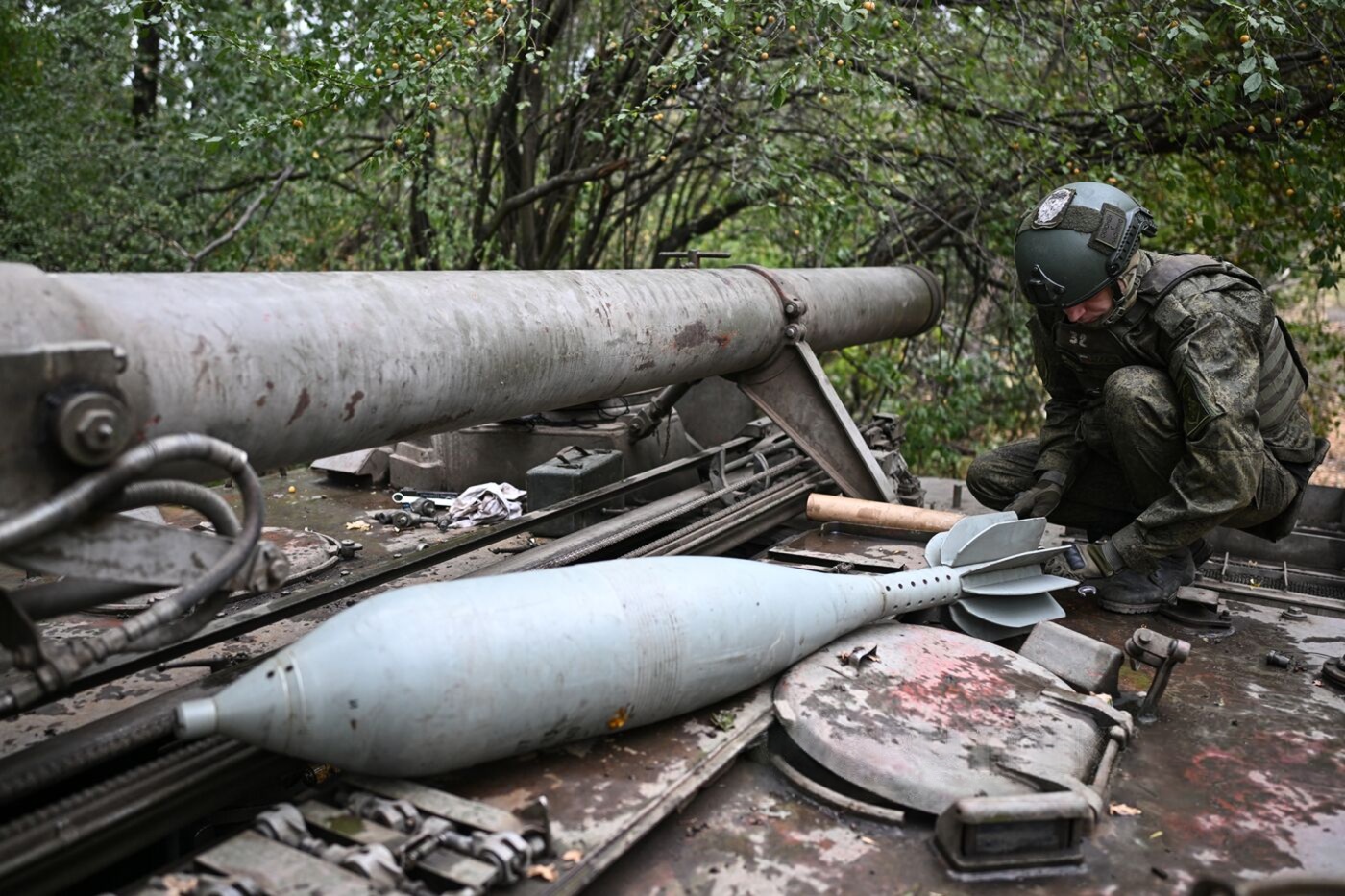
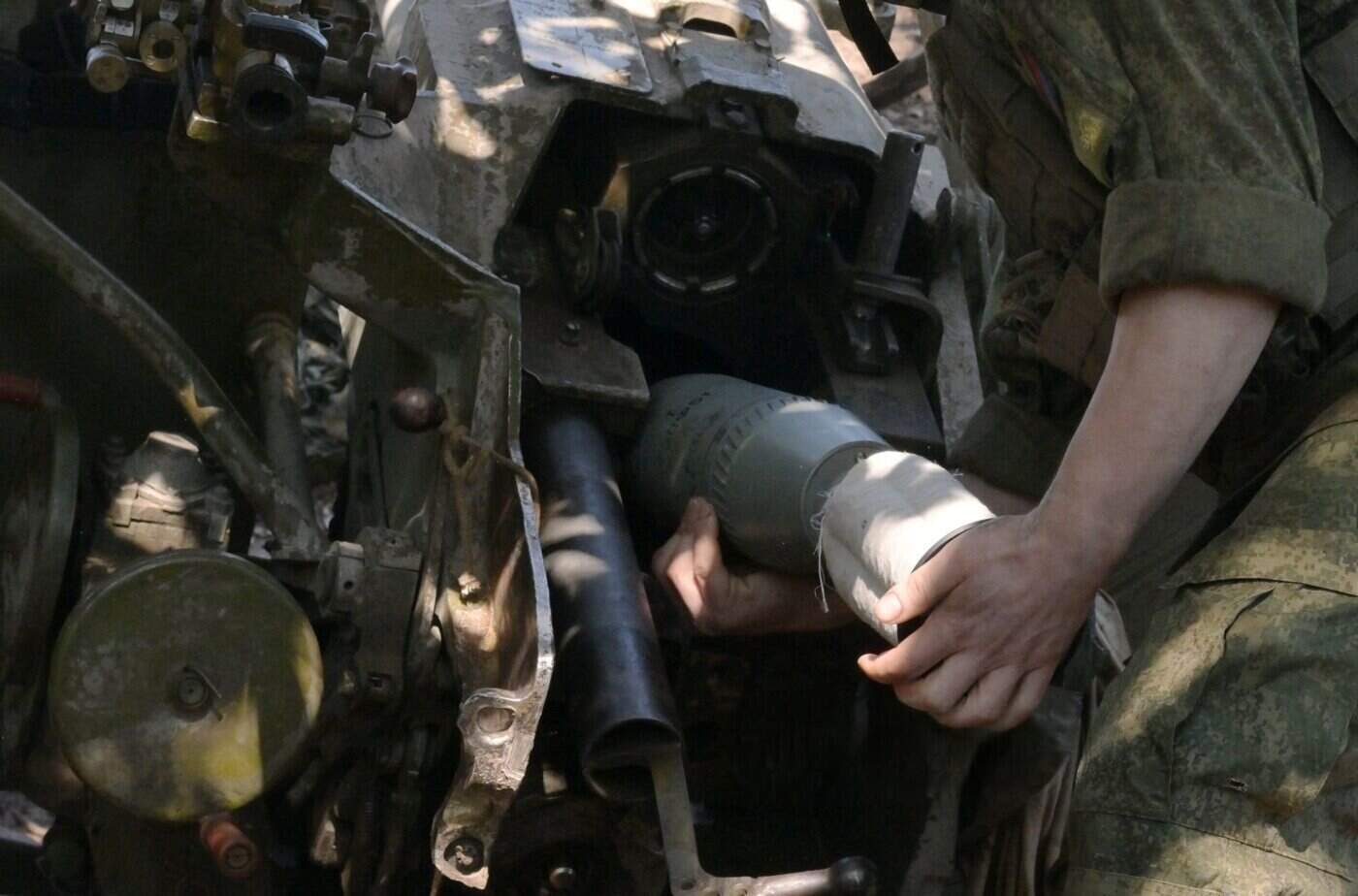
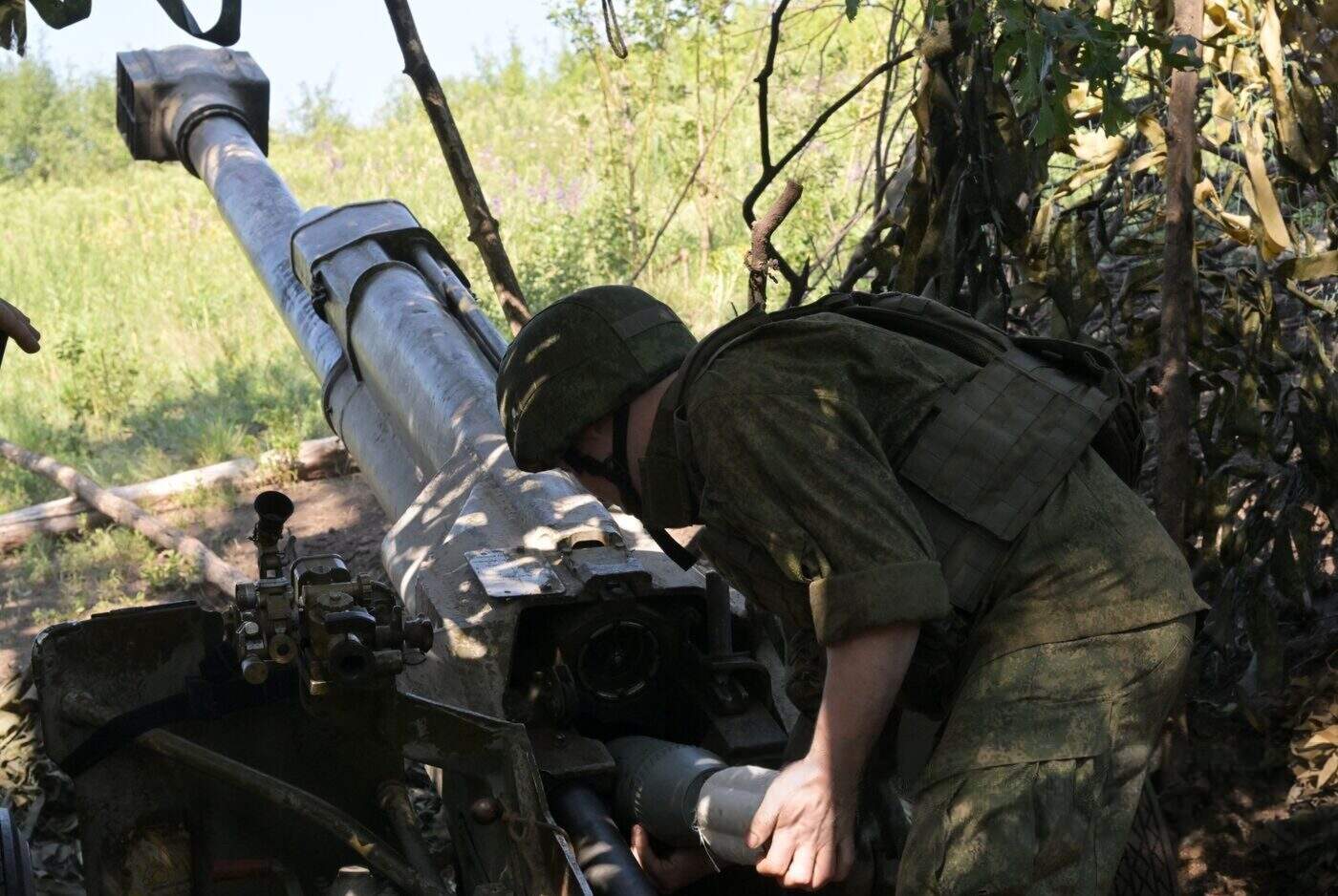
Amid the drone revolution, artillery, which for centuries was rightly called the “god of war,” has been overshadowed. However, its importance on the battlefield remains extremely important. The range and accuracy of artillery fire determine whether your enemy will be destroyed, and ammunition supplies and delivery frequency determine the course of entire operations.
Behind the abstract talk of a million “Ukrainian” shells from European allies and North Korean supplies for the Russians lies the simple mathematics of war, where whoever has more barrels and ammunition wins.
Militarnyi obtained Russian procurement documents that lift the veil of secrecy on Russian-made artillery ammunition and the price the enemy pays for each howitzer shot.
In short, by 2025, the Russian defense industry was to supply the state customer with:
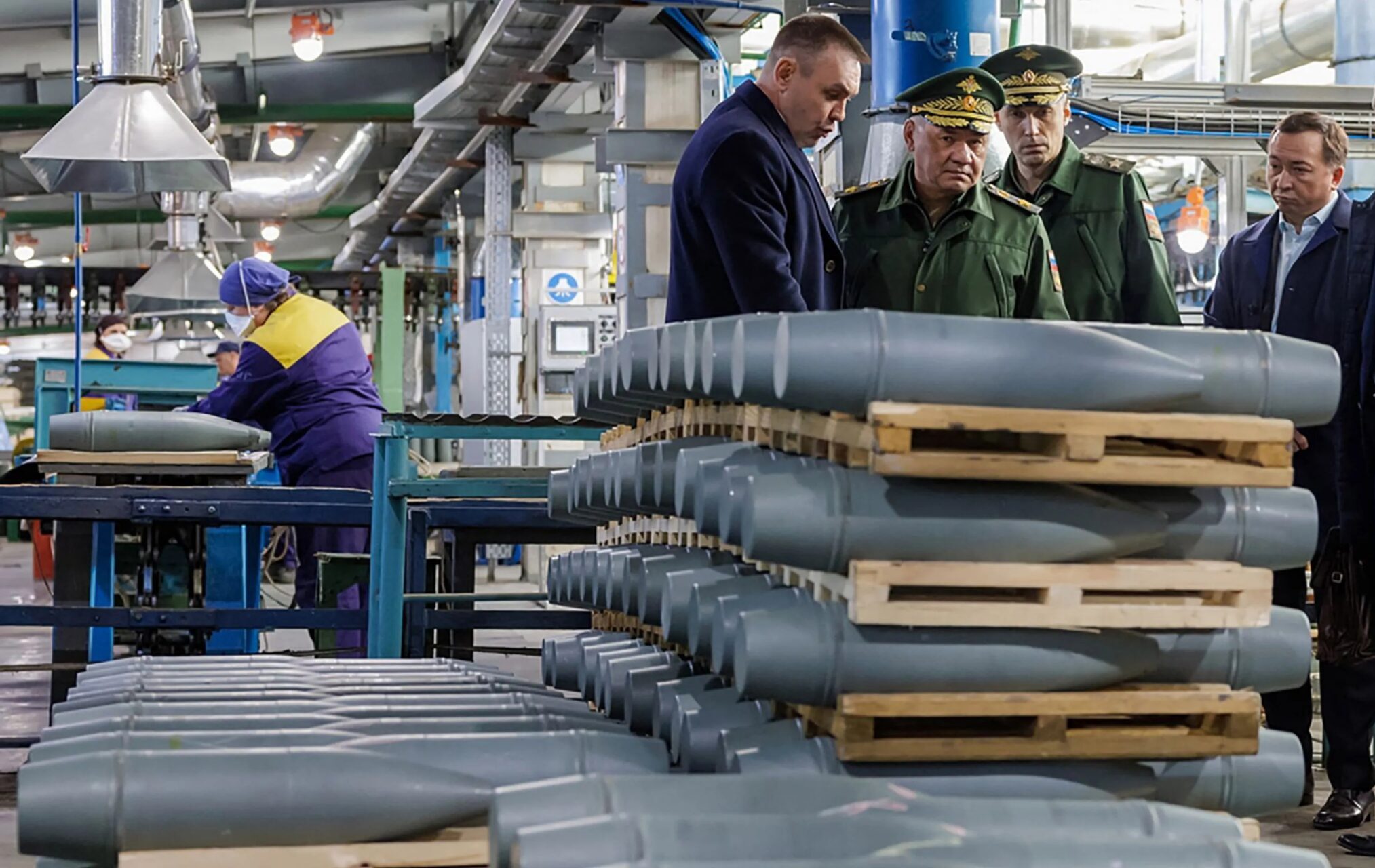
The main contractors for Russian defense orders in the field of large-caliber artillery ammunition production are GosNIImash named after Bakhirev, as well as the developer and manufacturer of high-precision shells KBP named after Shipunov. Their facilities across the country provide more than 95% of supplies.
Already during the war, these enterprises began to receive contracts with a duration of no more than two years, with extensive use of credit payment mechanisms.
Each such contract provides for the supply of artillery round, consisting of a shell, a detonator, and a powder-filled cartridge case. The latter can be full, reduced (less powder) or long-range (more powder than normal), which is why the same type of shell is supplied under three different names. The difference in their cost is insignificant, so for simplicity’s sake, we will continue to count by shell type, only occasionally specifying their equipment.
In 2024, Russia’s GosNIImash received two large orders for 122mm ammunition with OF56 shells, totaling 838,000 rounds. Of these, 510,000 were equipped with a full charge, and another 328,000 with a reduced charge. The cost of each was estimated at 81,600 rubles, which at the time of the order was equivalent to $1,000.
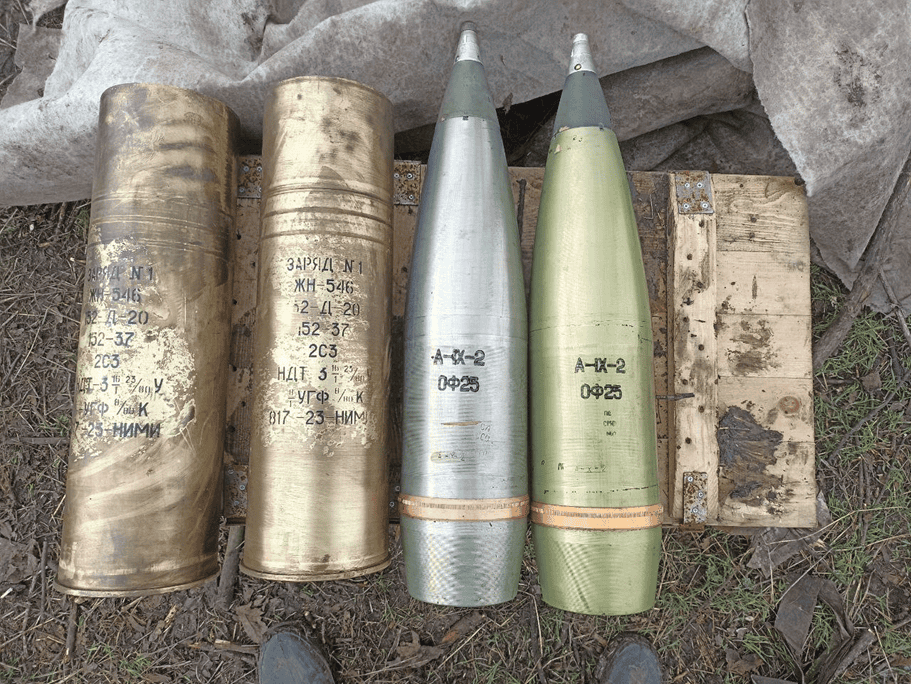
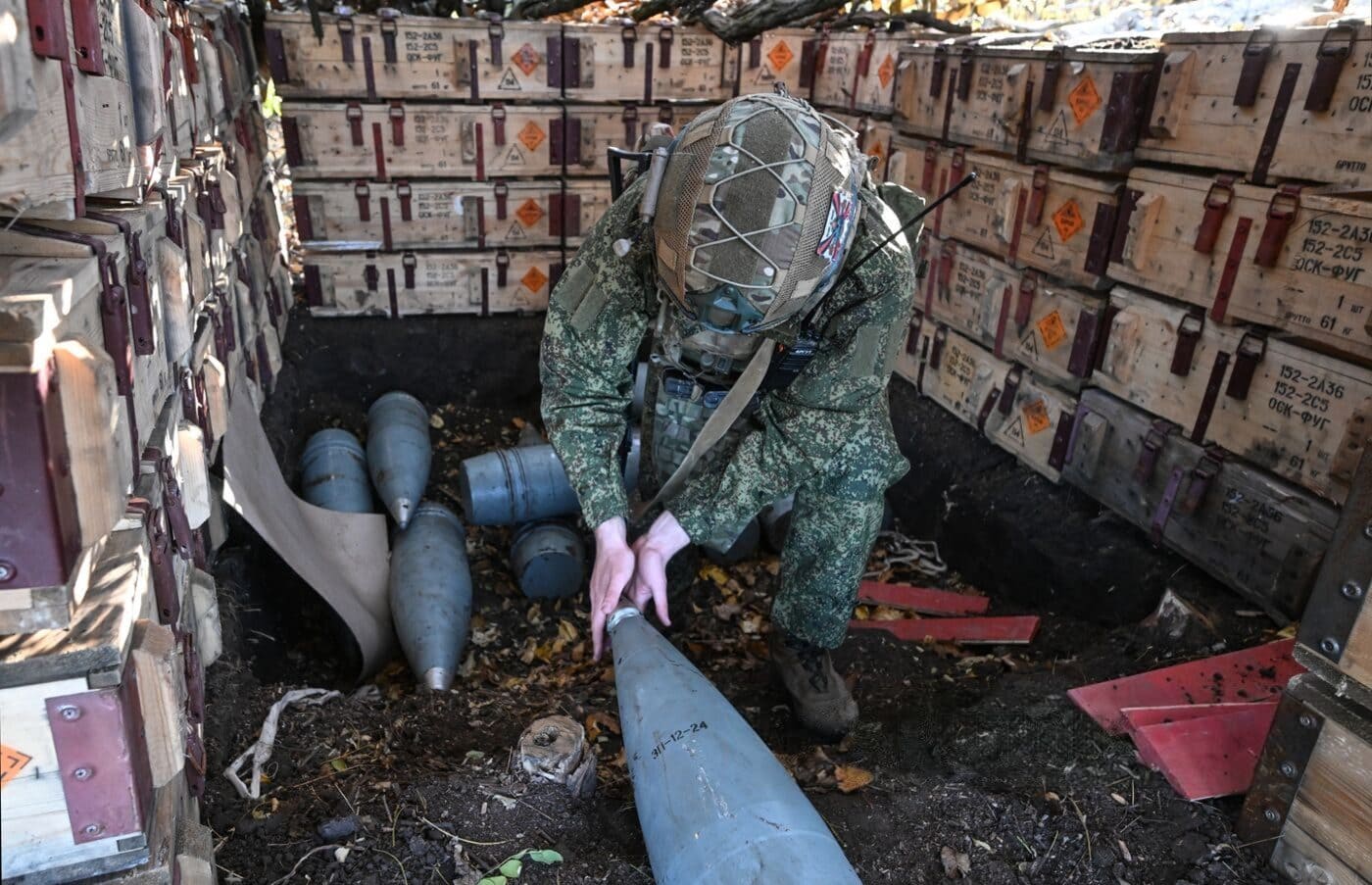
According to the markings on the shells, during the war, Russian industry began to equip them with TA-20 “mobilization” explosives, which were easier to produce — a mixture of TNT and aluminum powder in a ratio of 80/20, instead of the more powerful hexal.
In 2025, the state order saw a slight increase to 850,000 rounds, which was more characterized by qualitative changes. All shells were ordered in a configuration with a full charge for firing at maximum range, which is explained by the withdrawal of artillery further from the front line. Their cost reached 85,600 rubles.
In the same year, KBP named after Shipunov received an order for a small batch of 100 guided shells under the unknown index KV122 — presumably, the Kitolov-2M ammunition. The cost of one was estimated at 5,710,000 rubles or 71 thousand dollars.
Moving on to six-inch artillery, it should be noted that this caliber actually covers two separate families of ammunition, since back in Soviet times, a separate line of higher-powered shells was developed for the long-range Hyacinth systems, which cannot be used in other artillery systems. Therefore, we will divide the ammunition nomenclature into several clusters.
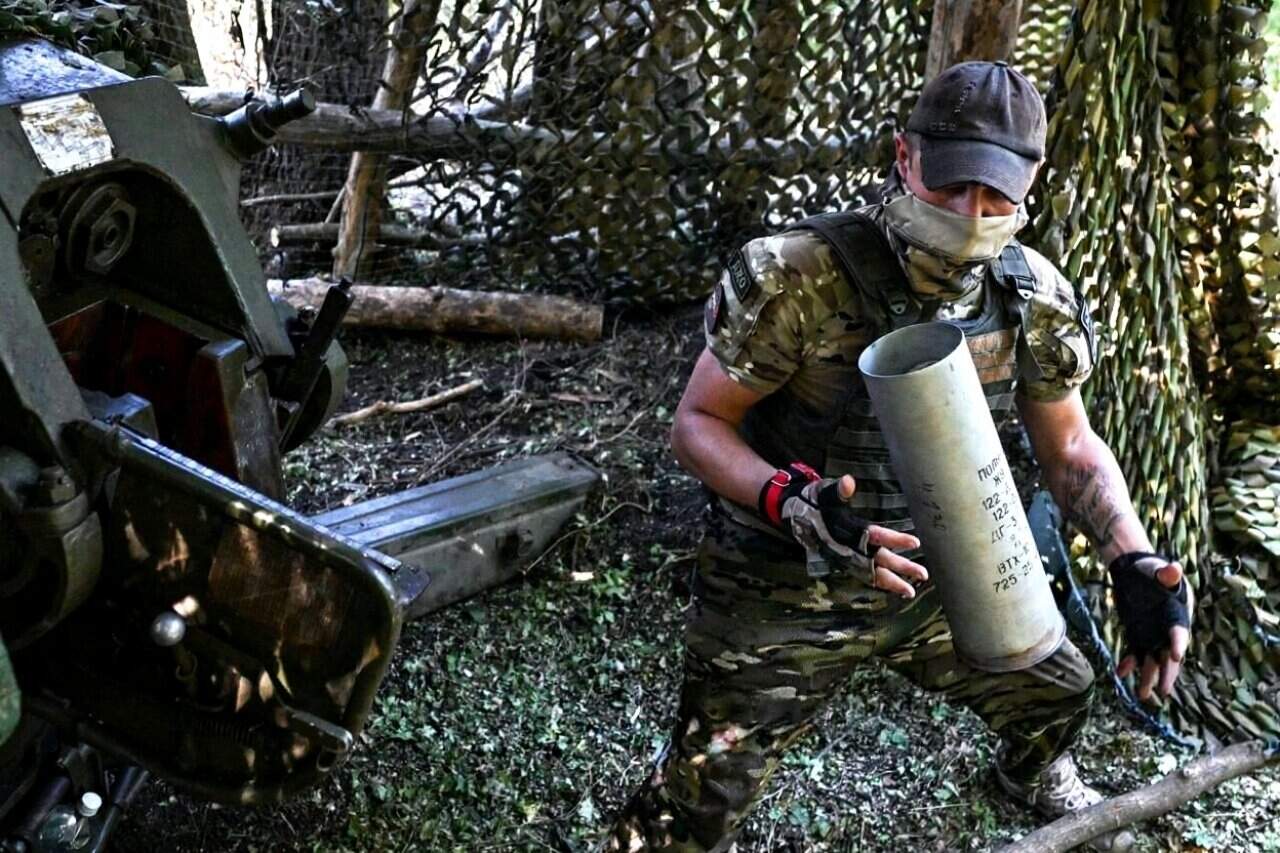
Let’s start with the OF25 artillery shell, the basic ammunition designed for short-barreled howitzers, such as the D-20 trailer and the 2S3 Akatsiya self-propelled gun. They have a relatively short range, but continue to be equipped with hexal even during wartime.
In 2024, 422,000 rounds were ordered for the Russian army, most of which (356,000) were equipped with a full charge. Their cost was estimated at 98,900 rubles or $1,200.
In 2025, the Russian army contracted for 400,000 rounds exclusively in full charge configuration, at a cost of 104,000 rubles or $1,300.
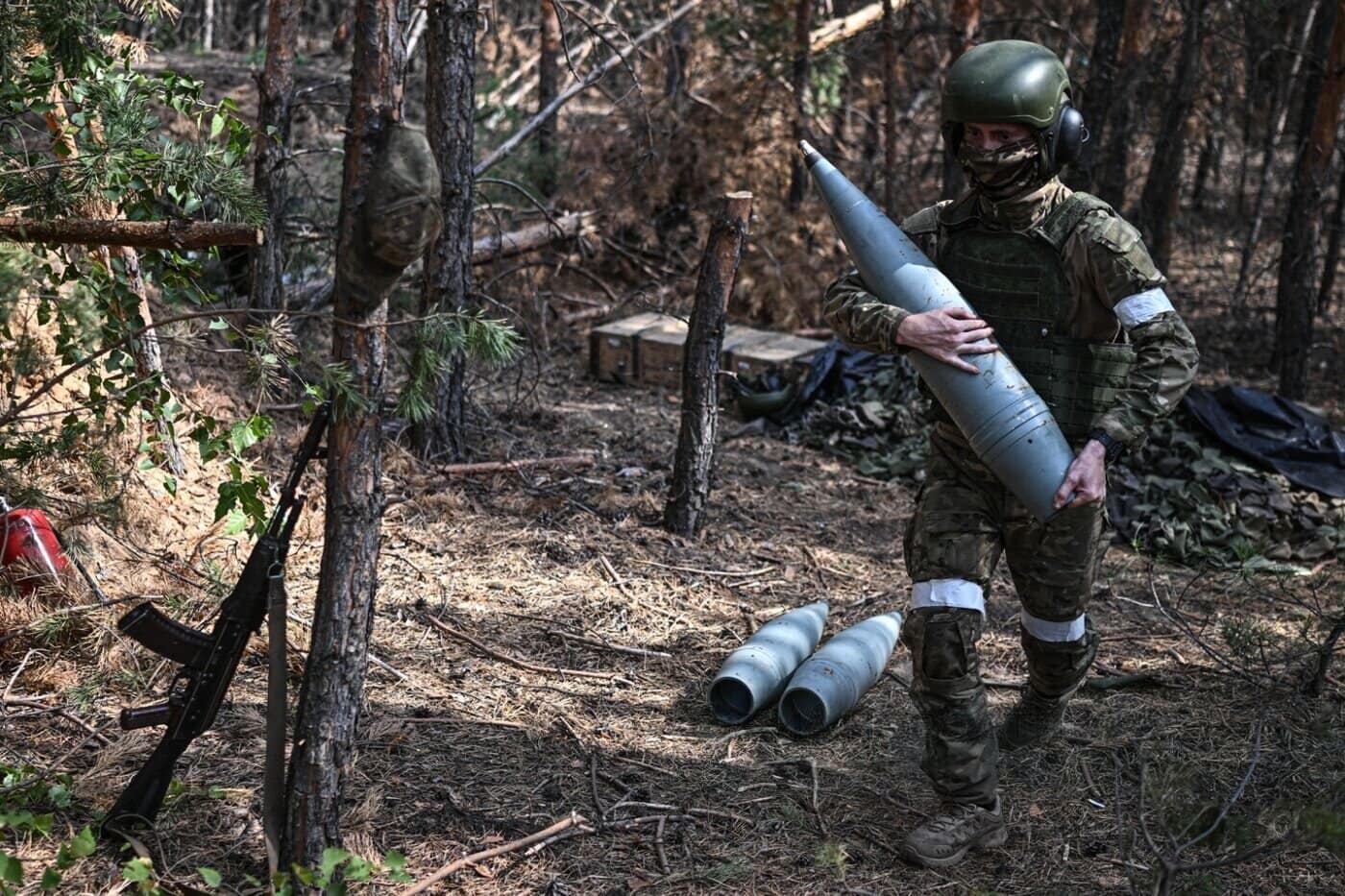
For more modern artillery systems such as the Msta, a new OF64 shell was developed with an elongated geometry and a recess in the bottom of the body, which improved aerodynamics and, in combination with a longer howitzer barrel, provided increased firing range.
In wartime conditions, GosNIImash switched to equipping these munitions with the same TA-20 “mobilization” mixture instead of hexal, as can be seen from the markings on samples produced in 2024.
In 2024, the Russian defense industry was ordered 831,000 rounds, of which 540,000 were full-charge sets and another 96,000 were long-range sets. The cost of a conventional round was estimated at 94,000-98,000 rubles ($1,250), while long-range rounds cost 124,000 rubles ($1,550).
The nature of orders for 2025 shows the same trend of moving artillery further away from the front line. A total of 1,100,000 rounds were ordered, of which almost a million were full-charge sets and another 100,000 were long-range rounds.
While signing “million-dollar” contracts, several agreements remain inconspicuous. One of them provides for the delivery of only 2,000 OF61 shells this year by the Sverdlov Plant. With worse characteristics, it costs twice as much — 217,000 rubles ($2,700).
GosNIImash was also supposed to deliver a batch of a thousand shells with the previously unknown index OF102M. According to Russian codification logic, this shell may be a model of a new generation of ammunition in this caliber. Its contract value was 163,000 rubles ($2,000).
High-precision Krasnopol-M2 corrected shells are also manufactured for Msta howitzers. The Shipunov Design Bureau received several contracts to produce 21,000 shells over two years. However, depending on the lot, the cost of a single 3OF144 shell ranged from 6.5 to 2.6 million rubles ($81,000 to $32,000).
The situation with contracting shells for Hyacinth cannons is more interesting. Two types of shells were ordered and produced simultaneously for this artillery system: the older OF29 model with a shorter range and the longer-range OF59 with an elongated design and a bottom recess.
Moreover, the older and inferior shell cost the Russian budget more.
For 2024, GosNIImash received an order for 210,000 rounds with the OF29 shell and another 78,000 with the OF59 shell. The cost of the former was estimated at 230,000 rubles ($2,500), while the latter cost only 200,000 rubles ($2,150).
The following year, the Russian Ministry of Defense ordered 200,000 rounds with OF29 shells at a price of 243,000 rubles per unit. However, there was no information about the OF59 contract in the procurement documents. Militarnyi also didn’t manage to find photos of new shells of this type marked as manufactured in 2025 in the Russian photo chronicle.
Instead, a trial batch of 1,000 new OF102 shells was purchased for this artillery system as part of the 3VOF155 shot. Their cost is similar to the version for Msta — 163,000 rubles ($2,000).
It is noteworthy that during 2024-2025, the Russian army almost completely switched to full-charge and long-range ammunition in order to withdraw howitzers from the front line. At the same time, Russian industry has not yet established the production of active-reactive ammunition, which would improve the situation of the Russian Armed Forces’ artillerymen.
In total, in 2024, the defense industry received an order for 1,558,000 152 mm caliber shells of all types. Over the course of the year, this figure increased significantly to 1,717,000 shells in 2025.
The enemy uses high-powered artillery to break through defenses in key areas of the front, as well as to destroy protected targets and urban buildings. One example of this is the 2S7 Pion 203mm gun and its Russian modification, the Malk.
These systems are not numerous, and their use in recent years has been rather sporadic, so the order for ammunition for them is relatively small. For 2024, the following was ordered:
The cost of a cluster and high-explosive fragmentation shell was the same and amounted to 263,000 rubles ($3,300). Rocket-assisted ammunition cost 436,000 rubles ($5,500).
For 2025, the Russian defense industry received an order to produce only conventional high-explosive fragmentation shells in the amount of 60,000 rounds at a price of 277,000 rubles ($3,400).
The second heavy weapon used by Russian artillerymen is the 2S4 Tyulpan 240mm self-propelled mortar. Due to their short range, they suffered significant losses, but are still used sporadically by the enemy as a means of suppression in urban combat.
Ammunition for them is manufactured by the Russian company NPO Bazalt. The company received an order for an unknown quantity of ammunition, supplying 20,000 VF-864 high-explosive mortar rounds annually. Their cost reached 450,000 rubles per round ($5,600).
The war in Ukraine has radically changed the tactics of using mortars, but their relevance has not diminished. Battalion and brigade mortar units are tasked with supporting the infantry and destroying the enemy directly on the front line.
The main argument of Russian mortar gunners is the 120-mm caliber, which is comparable in power to barrel artillery. The lion’s share of the 120-mm ammunition arsenal consists of inexpensive and easy-to-manufacture OF-843B mortar rounds made of steel cast iron.
In 2024, the Russian Ministry of Defense contracted for the production of 950,000 rounds with OF-843B mortar rounds. And the following year, a record 1.5 million mortar rounds of this type were ordered. While in the first year the cost of one fully loaded mine reached 100,000 rubles (~$1,100), a year later it fell to 85,000 rubles (~$1,000).
Russian industry also supplies relatively small quantities of OF34 high-explosive fragmentation mortar rounds with long-range charges. Annual production of these did not exceed 60,000 units at a cost of about 70,000 rubles per unit.
A separate mention should be made of ammunition for the 120-millimeter 2A51 howitzer-mortar, which is mounted on trailer-mounted and self-propelled installations of the Nona family. Due to the rifled barrel design and the breech-loading principle, a separate line of ammunition of a new design was developed for them.
Annual deliveries of 3OF51 high-explosive fragmentation mortar rounds for Russian self-propelled mortars reached 400,000 rounds. The cost of one such mine ranged from 82,000 to 86,000 rubles (~$1,000).
In 2024, a Russian buyer also contracted a batch of 500 3VOF69 “Kitolov” guided fragmentation shells at a price of 3.5 million rubles ($37,800). The following year, their order was expanded to 1,200 units.
In 2025, the Russian Defense Ministry ordered a test batch of 100 rounds of 3VOF146 guided mines at a price of 5.6 million rubles ($65,500).
In total, in 2024, the Russian defense industry supplied the army with 1,428,500 120-millimeter caliber mortar rounds and increased their production to a record 1,961,300 rounds over the year.
Another relevant caliber on the battlefield remains the 82-millimeter mortar, for which the Russian procurement agency consistently contracts annual deliveries of 750,000 3VO12 rounds with high-strength cast iron fragmentation mortar rounds.
It is noteworthy that in 2024, the cost of the mine was abnormally high at 128,000 rubles ($1,400) and fell to 70,000 rubles ($850) over the course of the year.
In 2025, the Russian Ministry of Defense also purchased a small batch of 2,000 silent 3VO35 shells with fragmentation mines for the 2B25 Gall special mortar for the first time. The cost of one shell was 125,000 rubles.
Підтримати нас можна через:
Приват: 5169 3351 0164 7408 PayPal - [email protected] Стати нашим патроном за лінком ⬇
Subscribe to our newsletter
or on ours Telegram
Thank you!!
You are subscribed to our newsletter