
New Russian Secret Special Forces Unit for High-Priority Missions Center 795: Structure, Command and Exposure

New Russian Secret Special Forces Unit for High-Priority Missions Center 795: Structure, Command and Exposure

Dmytro Shumlianskyi

Dmytro Shumlianskyi

March 14, 2026
16:08
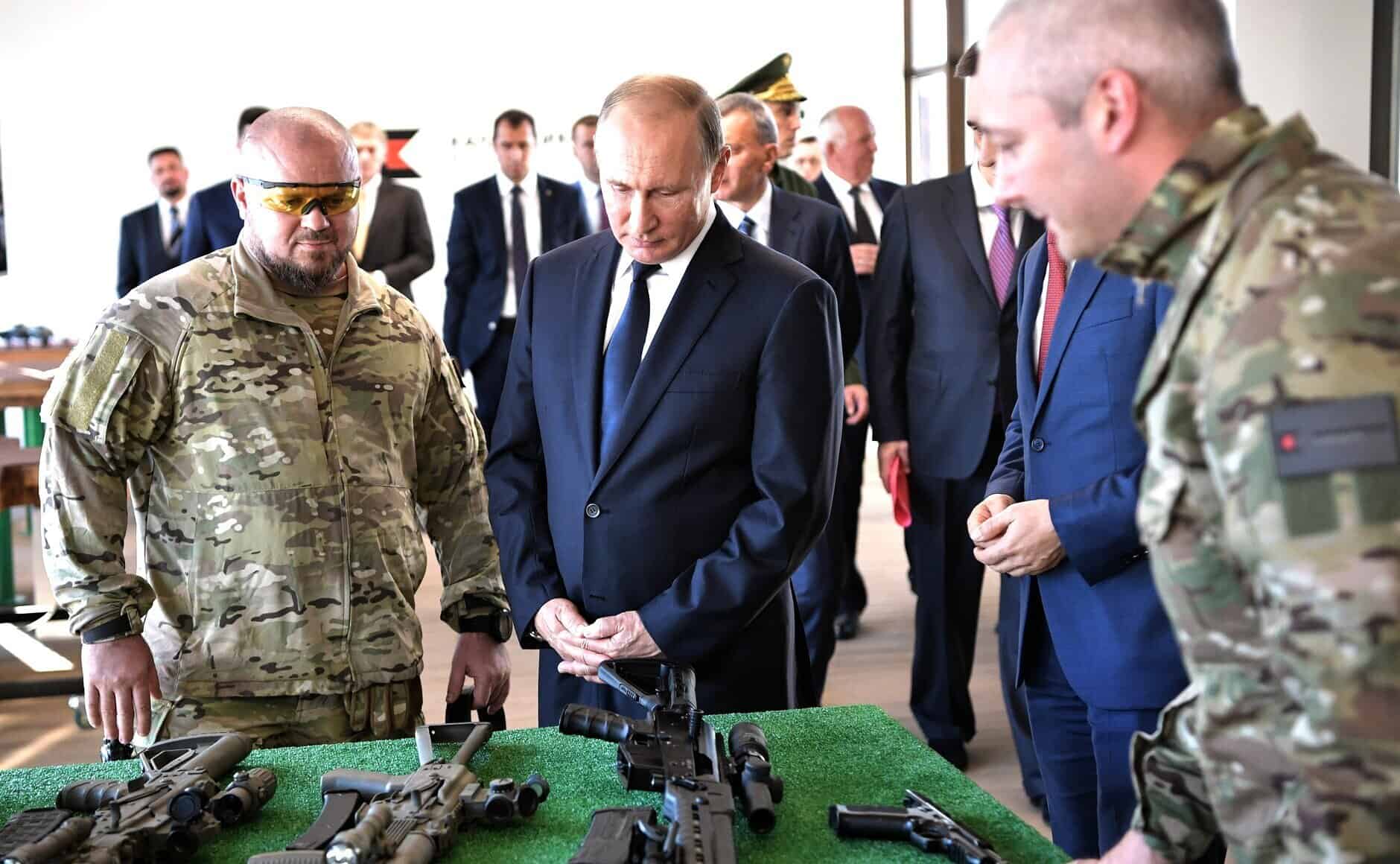
Commander of the special forces unit Center 795 Denis Fisenko and Vladimir Putin. Photos from open sources

New Russian Secret Special Forces Unit for High-Priority Missions Center 795: Structure, Command and Exposure

Dmytro Shumlianskyi

Dmytro Shumlianskyi

March 14, 2026
16:08
Commander of the special forces unit Center 795 Denis Fisenko and Vladimir Putin. Photos from open sources

Journalists from The Insider have exposed the structure and command of the new Russian special forces unit Center 795, which emerged during the full-scale war. It includes elite operatives from the Main Directorate of the General Staff (formerly the GRU), the FSB and ‘former’ officers of the Belarusian KGB.

The special unit was created as a top-secret and fully autonomous structure designed to carry out high-priority operations — from military actions in Ukraine to political assassinations and kidnappings abroad.

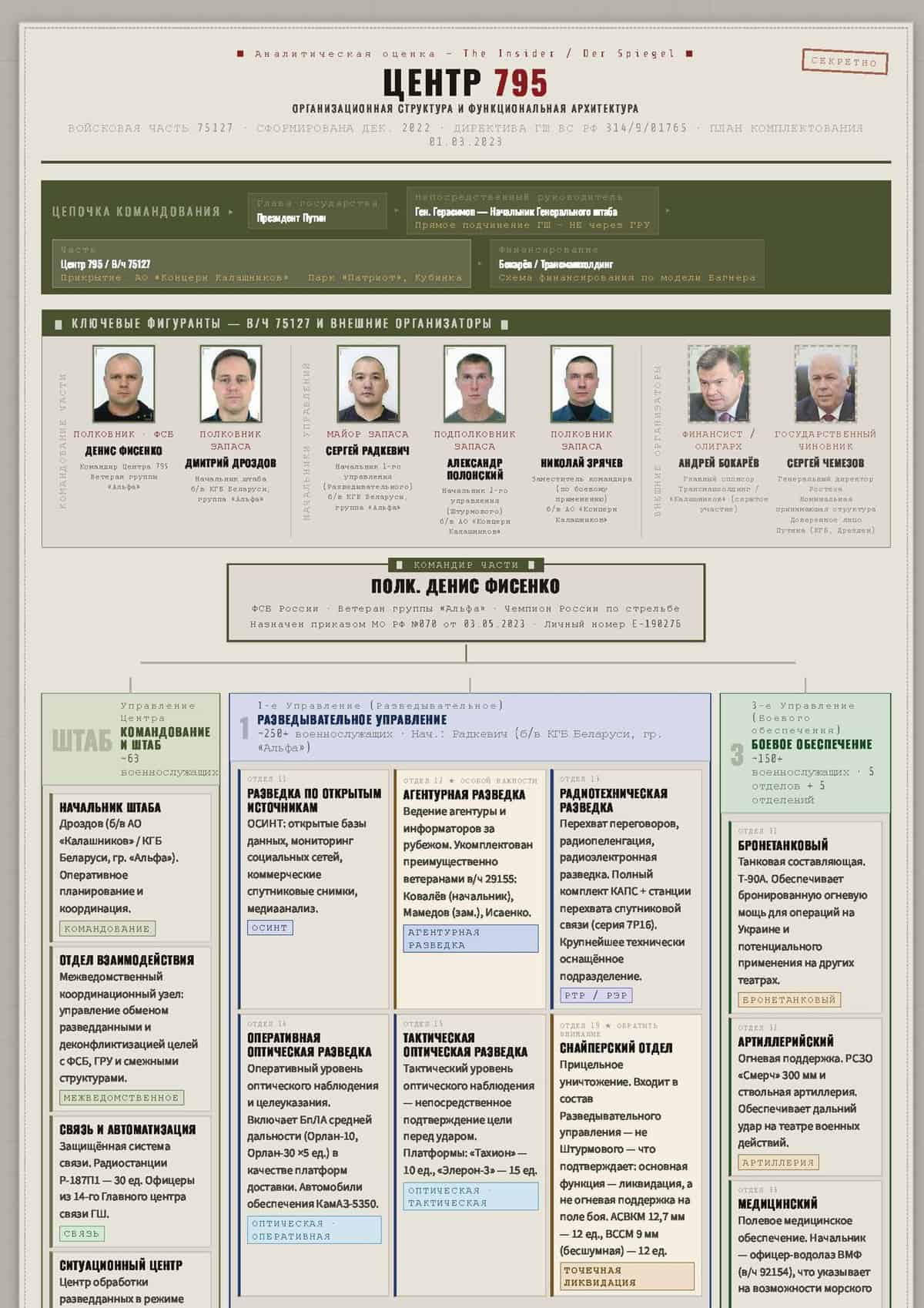
Center 795 (military unit 75127) was created by decision of the General Staff in December 2022, and by June 2023 it was almost fully staffed. It became a separate unit whose head reported directly to Chief of the General Staff Valery Gerasimov or to a deputy defense minister.

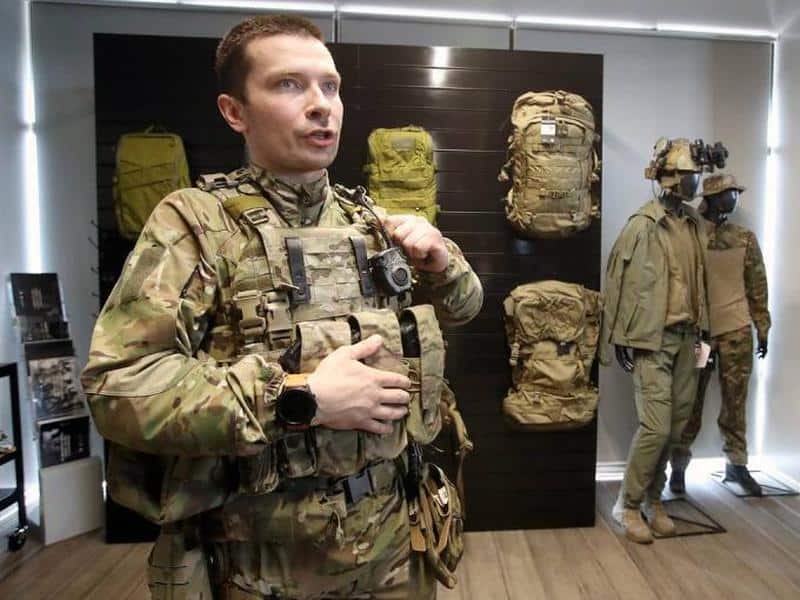
According to investigators, although the personnel of Center 795 included officers who had played important roles within the General Staff system, the leading positions in the unit went to officers from the FSB Special Purpose Center — mainly from the Alpha unit. In particular, the head of the center Denis Fisenko, his deputy Nikolai Zryachev, and the head of the Second (Assault) Directorate Alexander Polonsky all transferred from that unit.

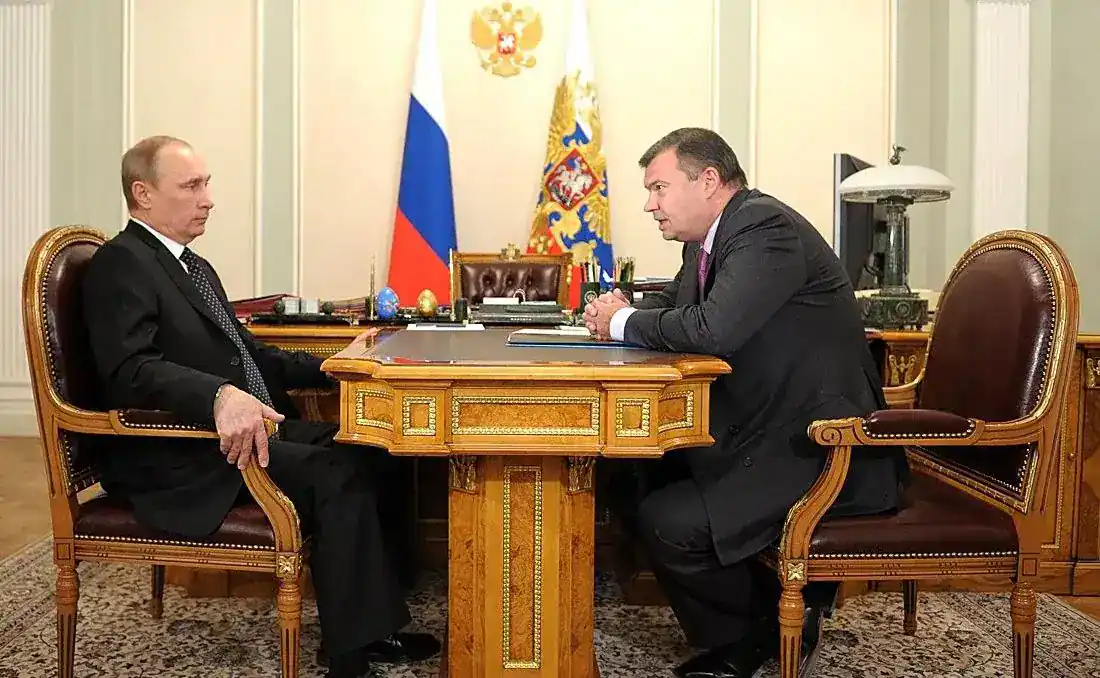
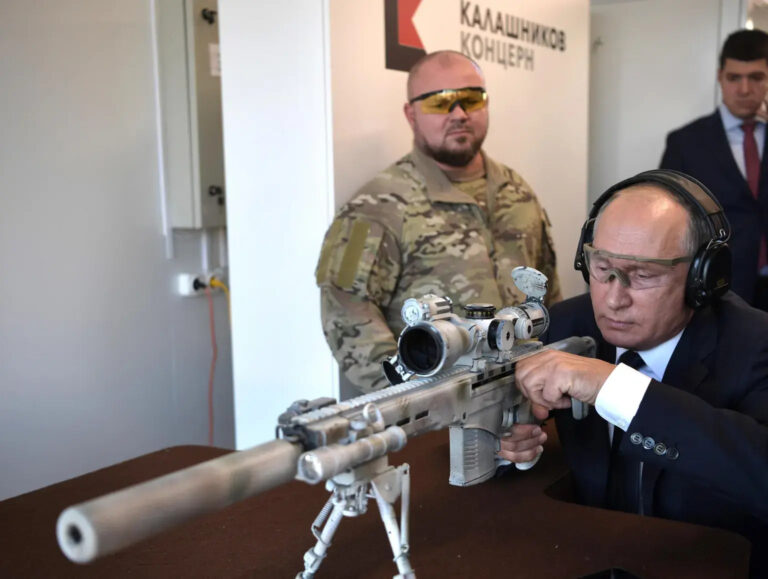
Andrey Bokarev and Vladimir Putin. Photo credits: The Insider

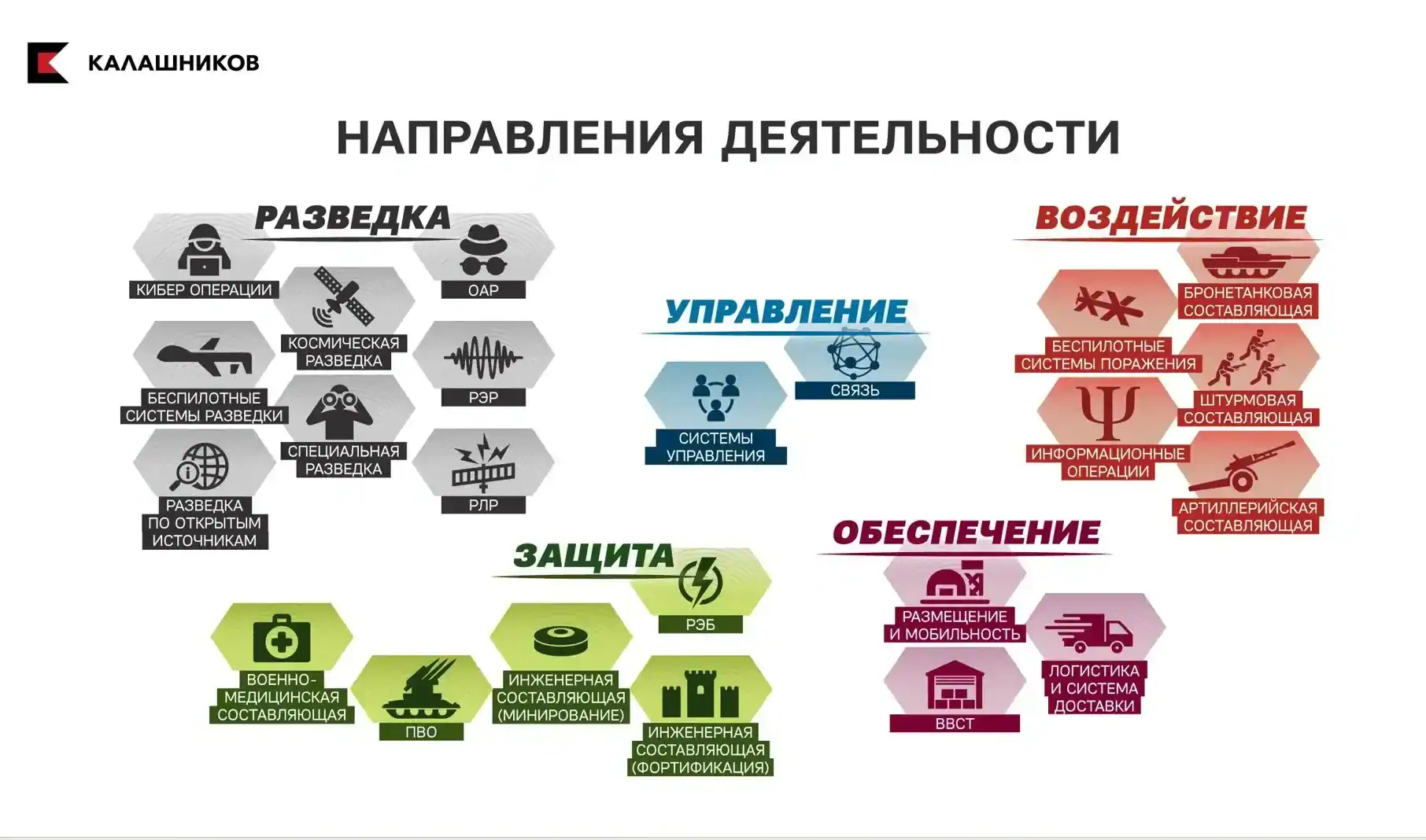
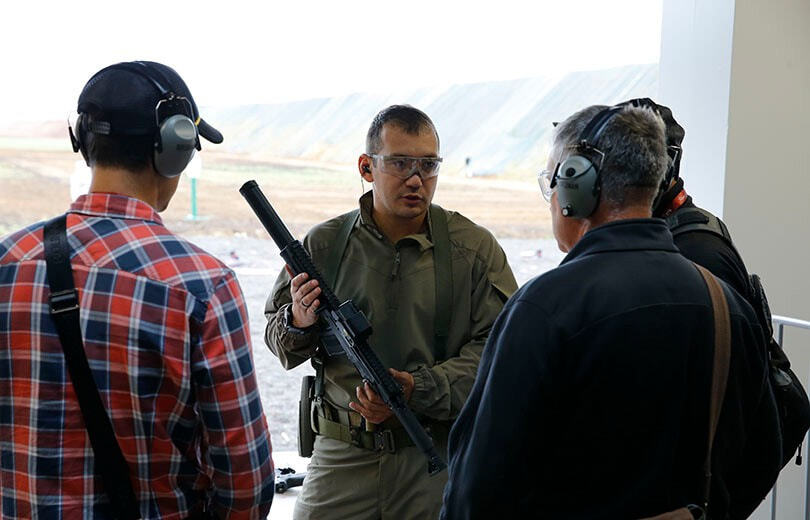
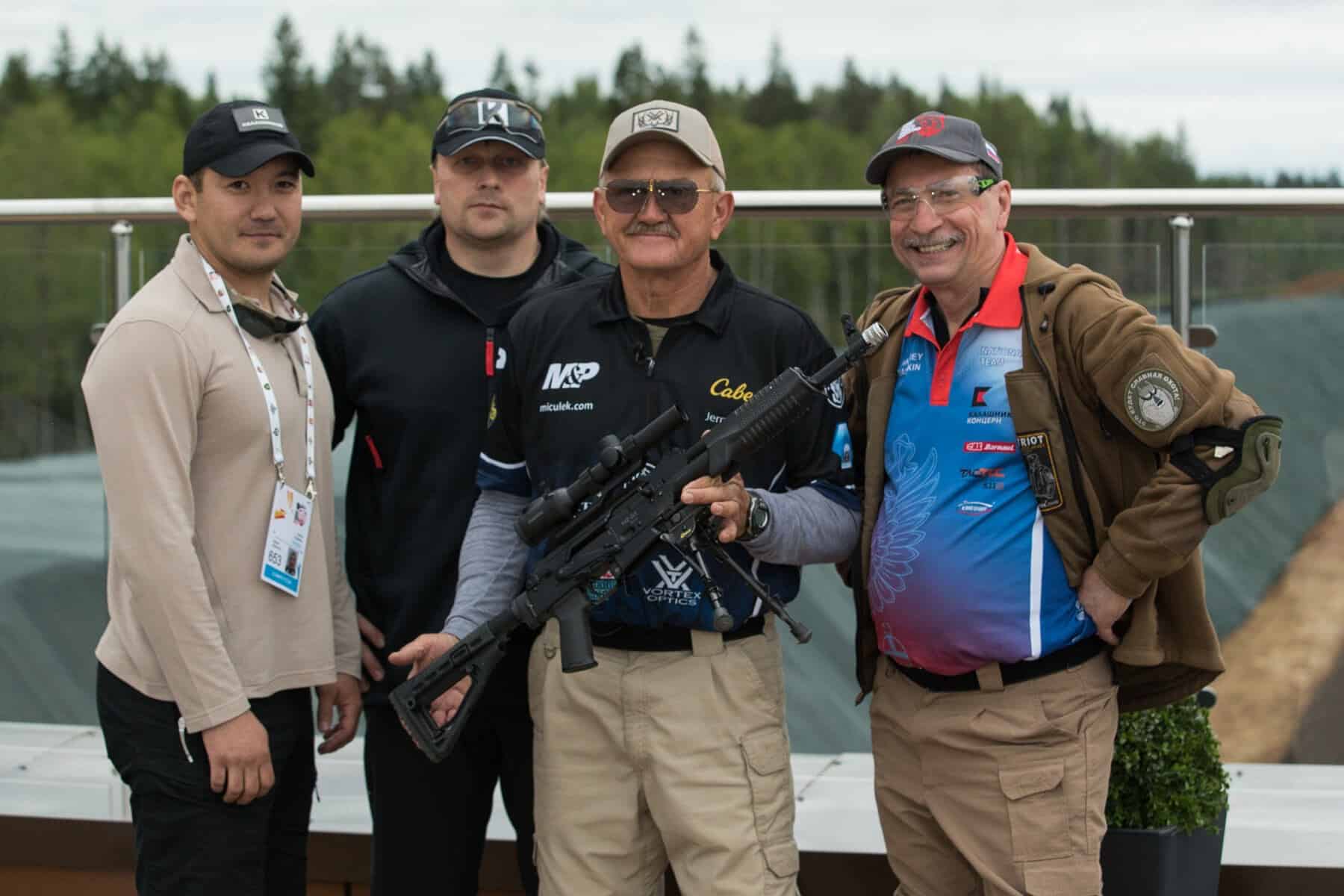
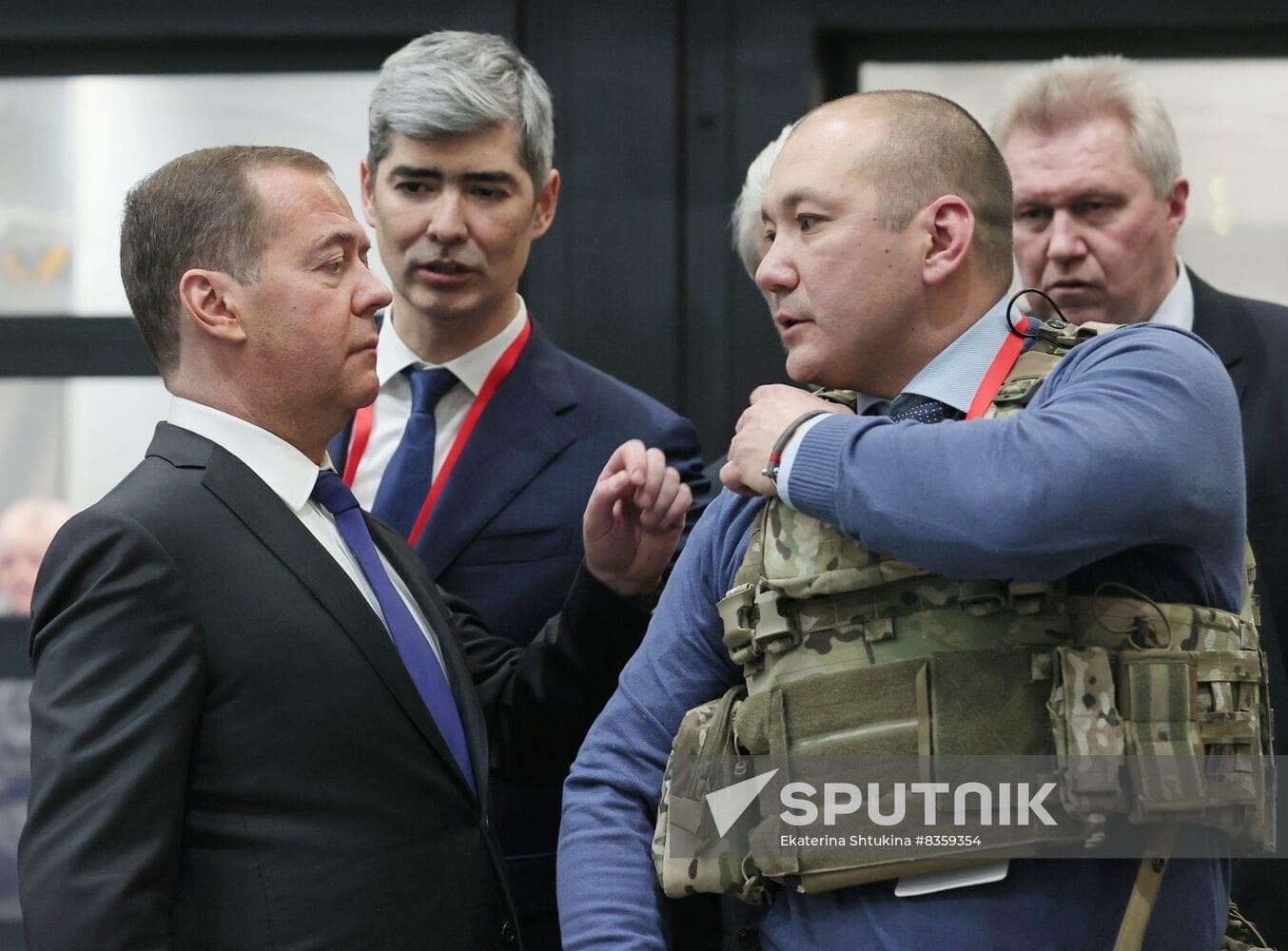
According to journalists, Center 795 is based at the training center of the Kalashnikov Concern, which belongs to Sergey Chemezov’s Rostec. The oligarch and co-owner of Kalashnikov, Andrey Bokarev, is helping finance the project.

Bokarev’s financing of the center fits an established pattern: with privileged access to state contracts, he ‘returns’ part of his profits to special state needs. Investigators note that a similar scheme operated with Yevgeny Prigozhin, who financed the Wagner PMC and the ‘troll factory’ with funds received mainly from food supply contracts with the Ministry of Defence of the Russian Federation. After Prigozhin’s death, the food supply contracts were transferred to a person associated with Bokarev. Bokarev also obtained Prigozhin’s estate in Gelendzhik.

According to The Insider, personnel selection was strict: about one-third of candidates were rejected. Salaries reach about 500,000 rubles per month at the department-head level, while Fisenko reportedly receives about 3 million rubles a month from Kalashnikov alone, in addition to a separate salary paid by the Ministry of Defence of the Russian Federation.

At the same time, Center 795 was granted authority to recruit officers from other army units, the GRU, the FSB and even the Russian Federal Protective Service (FSO) — not necessarily with the consent of those agencies. This indicates the unit’s elevated status within the internal hierarchy of Russian security services.

How the Special Unit Center 795 is Organized

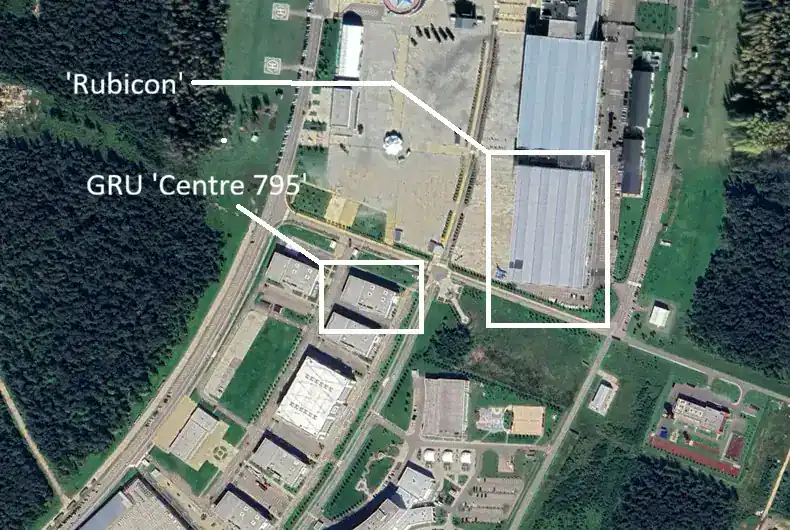
The unit’s operational base is Patriot Park in Kubinka, located within the long-established military unit 75127. Kalashnikov maintains a two-story administrative building there, known as TMU-1, next to the recruiting and training center of the Rubikon UAV unit.

Satellite image of the Center 795 building in Patriot Park. Photo credits: Mark Krutov

Command of Center 795 (military unit 75127):

  • Head of the Center — Denis Fisenko
  • Chief of Staff — Dmitry Drozdov
  • Deputy head of the Center for Combat Training — Nikolai Zryachev
  • Deputy commander for support — Yuri Chepizhak
  • Operational specialist — Denis Alimov
  • Head of the 1st Department (Intelligence) — Sergey Radkevych
  • Deputy head of the 1st Department — Oleksiy Ilyushin
  • Head of the 2nd Department (Assault) — Alexander Polonsky
  • 12th Operational and Undercover Intelligence Division:
  • Head of the Division — Anatoliy Kovalev
  • Head of the Subdivision — Oleksandr Isayenko
  • Deputy head — Yevgeny Mamedov
  • Head of the Subdivision — Denis Belov

Through analysis of open sources, Militarnyi established that Denis Viktorovich Fisenko was born on January 12, 1974 in Moscow. Several passport numbers appear in open databases: 4500989106, 4519107995 and 4518917410. Several phone numbers are associated with him, including 79857275287, 79015389002, 79031033951, 74957157651, 79026314638, 79031197188, 79268884520, 79268786403, 79265384666, 73422363600, 79852725287, 79671966889, 79672245497, 79647988329 and 79267891100.

Several vehicles with license plates P547MM799, T893RU777, O341AM199, M060UA97, O689UO77, U143AR48 and H141UH77 are registered in his name. Databases also list his insurance and tax identifiers: SNILS 12908241655 and 00150969210, TIN 772773155376. Email addresses associated with him include [email protected], [email protected] and the corporate address [email protected]. A driver’s license with the number 7726887019 was also identified.

Nikolai Mikhailovich Zryachev was born on August 12, 1985 in Moscow. Several passport numbers appear in databases: 4607098692, 100131161, 0986924607 and 4600678457. Phone numbers linked to him include 79067811861, 79032519427, 74956844081 and 74952844081. Cars registered in his name carry the license plates X101US77, 4355VM77, 1364VM77, 5199VV77 and M857KS199. Personal identifiers include SNILS 14127065123 and TIN 503113938929. Open data also lists the email addresses [email protected] and [email protected].

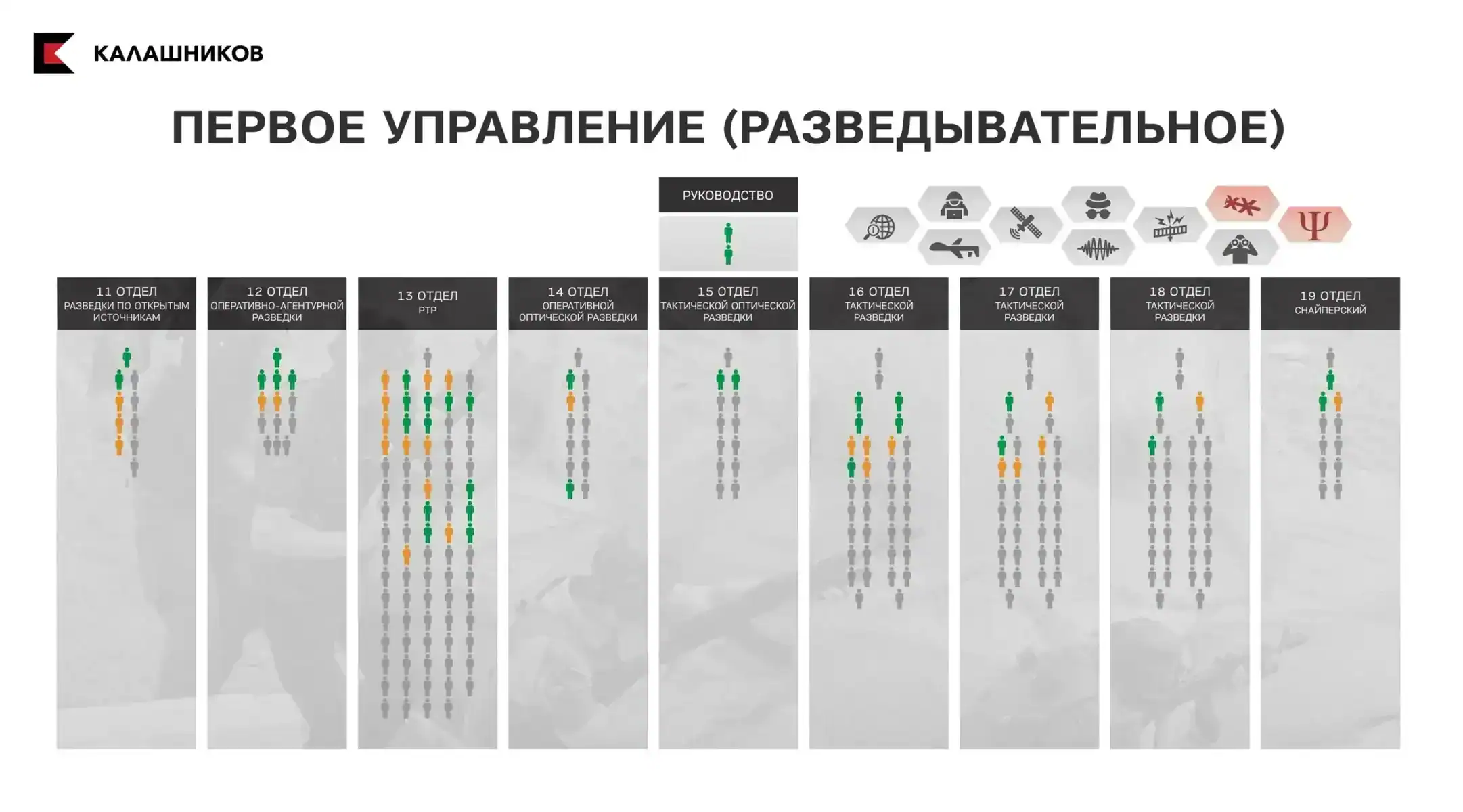
In total, the center has about 500 officers divided into three departments: reconnaissance, assault and combat support.


Intelligence Department

The Intelligence Department, the largest within the structure, includes nine divisions covering the full spectrum of modern surveillance. The eleventh division focuses on open-source intelligence (OSINT), monitoring social networks, commercial satellite imagery and public databases.

The twelfth — the most secret — runs intelligence networks abroad. It is staffed mainly by veterans of GRU military unit 29155, known for the poisoning of Sergei Skripal in Salisbury. The thirteenth division conducts signals interception and operates a full range of radio-technical intelligence equipment, including a satellite communications interception station.

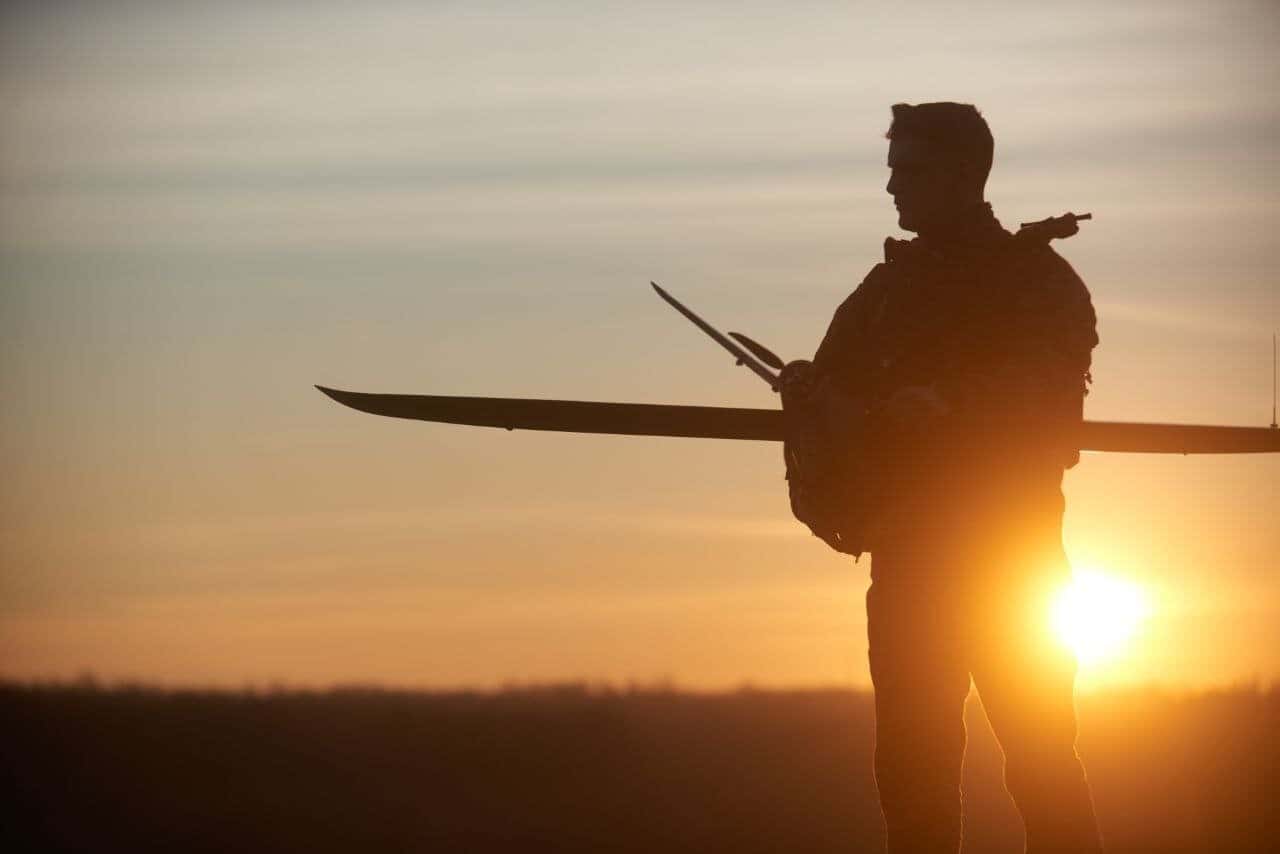
The fourteenth and fifteenth divisions conduct optical reconnaissance at operational and tactical levels, using drones from the Orlan and Eleron series as platforms for visual intelligence collection.

Three parallel ground surveillance groups — divisions sixteen, seventeen and eighteen — provide physical confirmation of targets before a strike. They are equipped identically so that any of them can monitor a target without the knowledge of the others.

The nineteenth division — sniper — is formally part of the reconnaissance department rather than the assault department, which likely indicates that its primary role is targeted killings rather than battlefield fire support.

Support

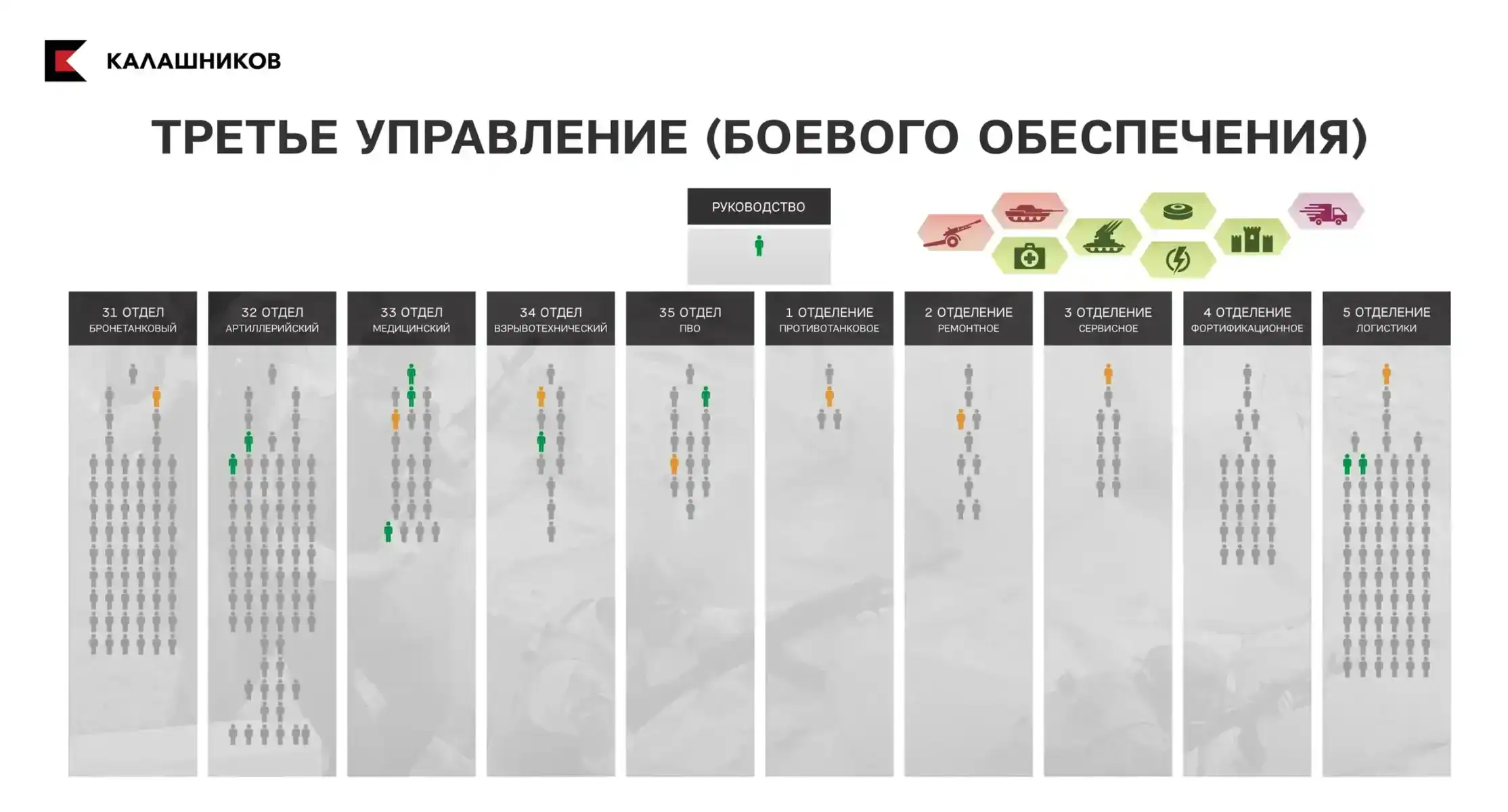
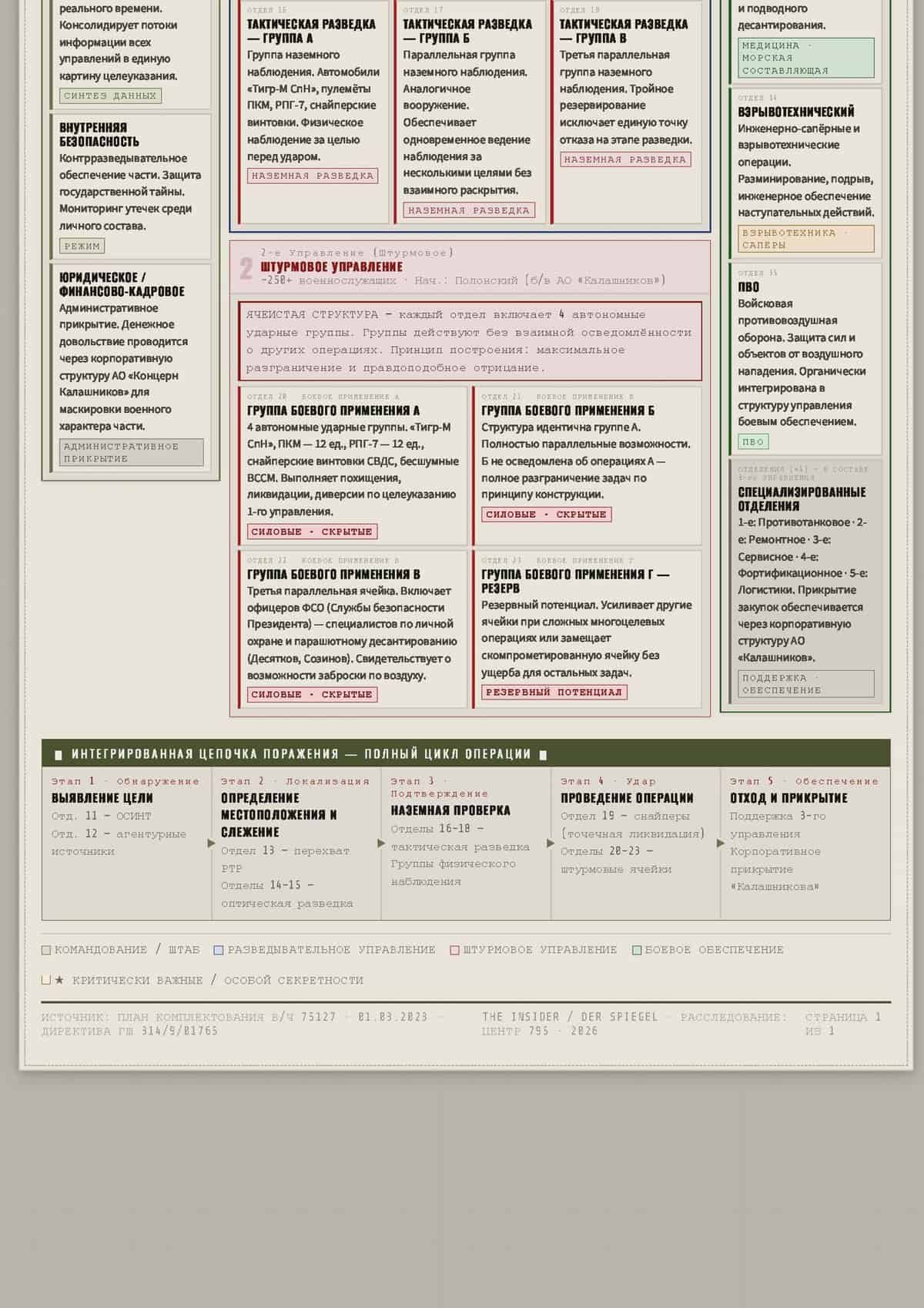
The combat support department includes five divisions — armored, artillery, medical, explosives and air defense. They are supplemented by five specialized divisions responsible for anti-tank operations, maintenance, fortification and logistics. Equipment reportedly includes T-90A main battle tanks and even 300 mm BM-30 Smerch long-range self-propelled 300 mm multiple rocket launcher.

Assault Department

The assault department includes four combat-application divisions, each containing four autonomous strike groups. The structure follows a single principle: no group is aware of the actions of the others. A compromised cell cannot expose a parallel operation.

The integrated ‘kill chain’ covers the full cycle of an operation — from target detection to withdrawal after a strike. The first stage is target detection: the 11th Division conducts OSINT analysis of open sources, while the 12th Division gathers intelligence through agent networks.

The second stage involves localization and surveillance of the target. The 13th Division conducts radio reconnaissance and signal interception (RTR), while the 14th and 15th Divisions carry out optical reconnaissance using drones and other visual surveillance systems. The third stage is ground confirmation, where 16–18 Divisions conduct tactical reconnaissance and physical surveillance to confirm the target’s location and parameters.

The fourth stage is the direct execution of the operation: the 19th Division is responsible for targeted killings, including sniper operations, while 20-23 Divisionsnform autonomous assault groups that carry out the strike phase.

The final stage is withdrawal and cover, carried out by units of the third department, which provide logistical support and organizational cover — including through corporate structures linked to the Kalashnikov concern.

Exposure

According to The Insider, Center 795 has already organized a number of assassination attempts and sabotage operations. Exposing the structure and activities of the unit may pose a serious problem for Russian intelligence services, particularly after the arrest of the first suspect.

The special unit was designed to be completely isolated from the outside world — primarily to prevent electronic penetration that had previously compromised Russian intelligence operations. Commanders implemented security measures such as encrypted messaging apps, pseudonyms and compartmentalized communications. What they failed to consider was the language barrier between their own agents.

According to investigators, operative Denis Alimov was in contact with Darko Durovic, an agent recruited in the United States who speaks Serbo-Croatian. Neither spoke the other’s language well enough for operational communication. The solution was simple — and ultimately disastrous: they used an online machine-translation service, specifically Google Translate, to translate Durović’s Serbian field reports into Russian for Alimov, and Alimov’s Russian instructions back into Serbian.

The messages themselves were transmitted through encrypted applications they believed were secure. However, the translation was processed through servers belonging to an American technology company — servers subject to an FBI surveillance warrant. With a court order, investigators obtained the translation logs directly from the provider, allowing them to read the full operational correspondence in plain text in real time, despite the agents’ reliance on end-to-end encryption.

This led to Alimov’s arrest at the request of the United States when he arrived in Colombia on another assignment. He was later extradited to the United States.

At the same time, The Insider says it has identified almost all employees of the center through its own sources and, following the arrest of one of its key officers, has decided to make this information public.

SUPPORT MILITARNYI

PrivatBank ( Bank card )
5169 3351 0164 7408
Bank Account in UAH (IBAN)
UA043052990000026007015028783
ETH
0x6db6D0E7acCa3a5b5b09c461Ae480DF9A928d0a2
BTC
bc1qv58uev602j2twgxdtyv4z0mvly44ezq788kwsd
USDT
TMKUjnNbCN4Bv6Vvtyh7e3mnyz5QB9nu6V
Popular
Button Text