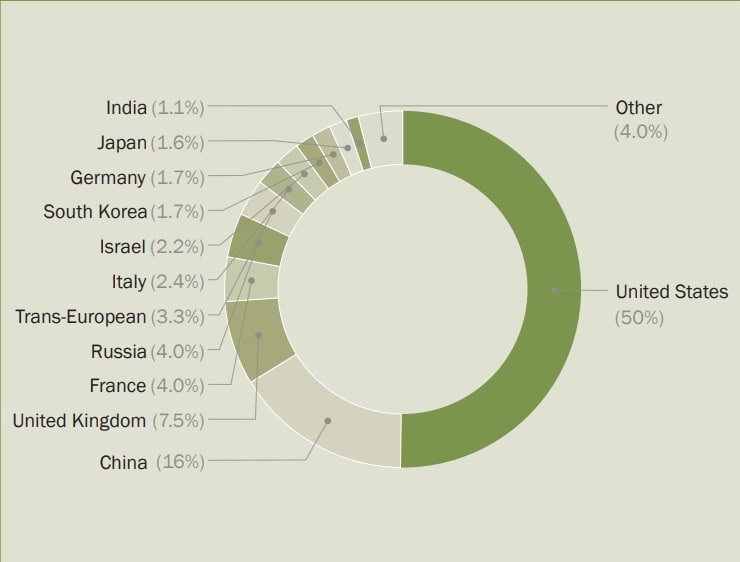
After Russia launched its full-scale invasion of Ukraine, South Korea unexpectedly emerged as one of the key players in Europe’s defense market. According to SIPRI, between 2020 and 2024, European countries purchased more than half of South Korea’s total exports of major conventional weapons.
Poland alone accounted for 46% of that volume. While Korean defense companies had previously focused on markets such as Turkey and Indonesia, in recent years, they have shifted their attention toward NATO and EU member states.
Recent contracts show that Seoul offers its partners not only modern tanks and artillery systems, but also very fast delivery times and broad technology transfers. These advantages have helped South Korea succeed at a time when European demand for weapons is especially high.
South Korea’s defense industry operates within a unique ecosystem dominated by large, diversified conglomerates. These companies manage the entire production chain – from advanced electronics to heavy armored vehicles. The clear leader in land systems is Hanwha Aerospace (formerly Hanwha Defense).
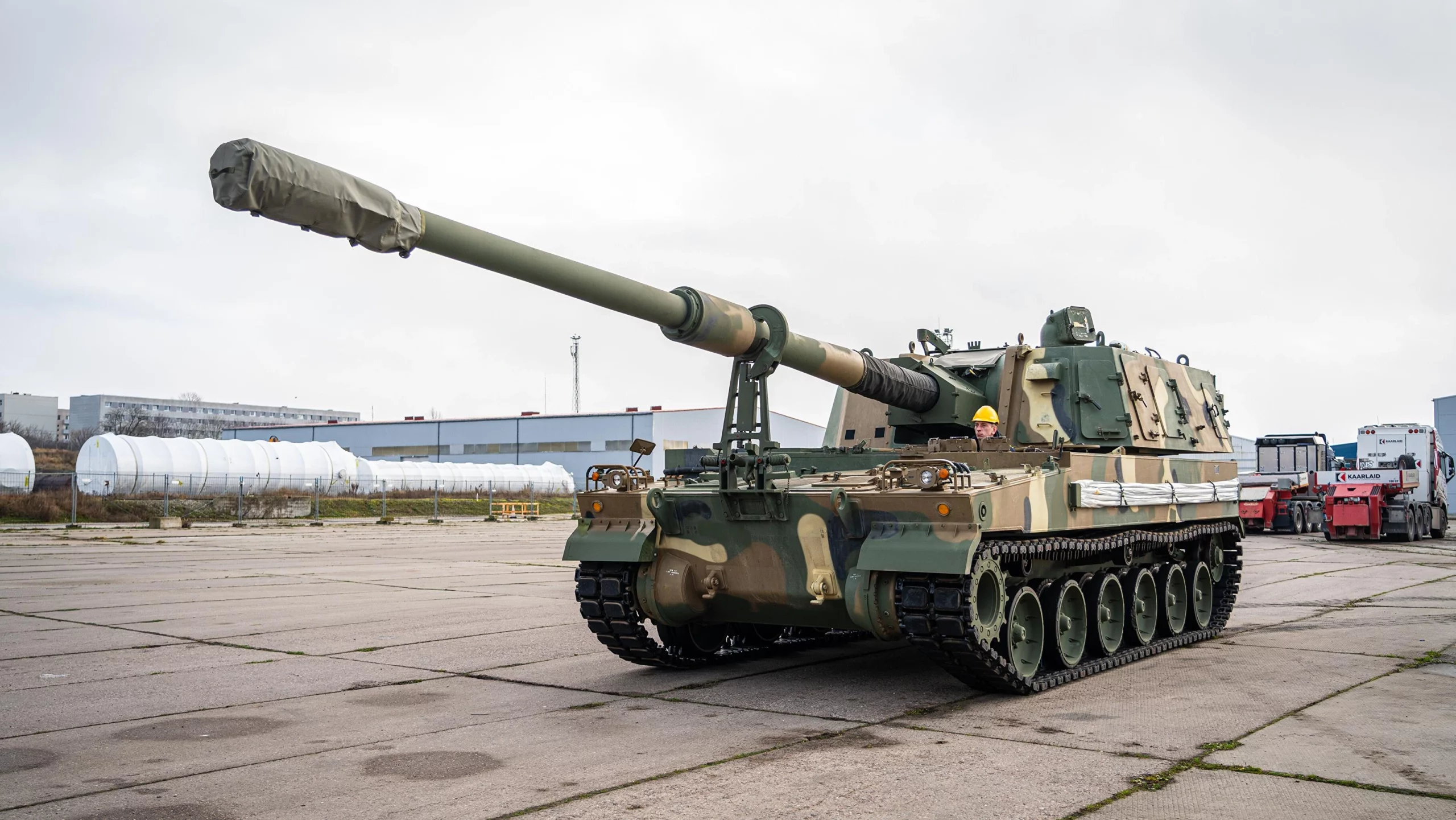
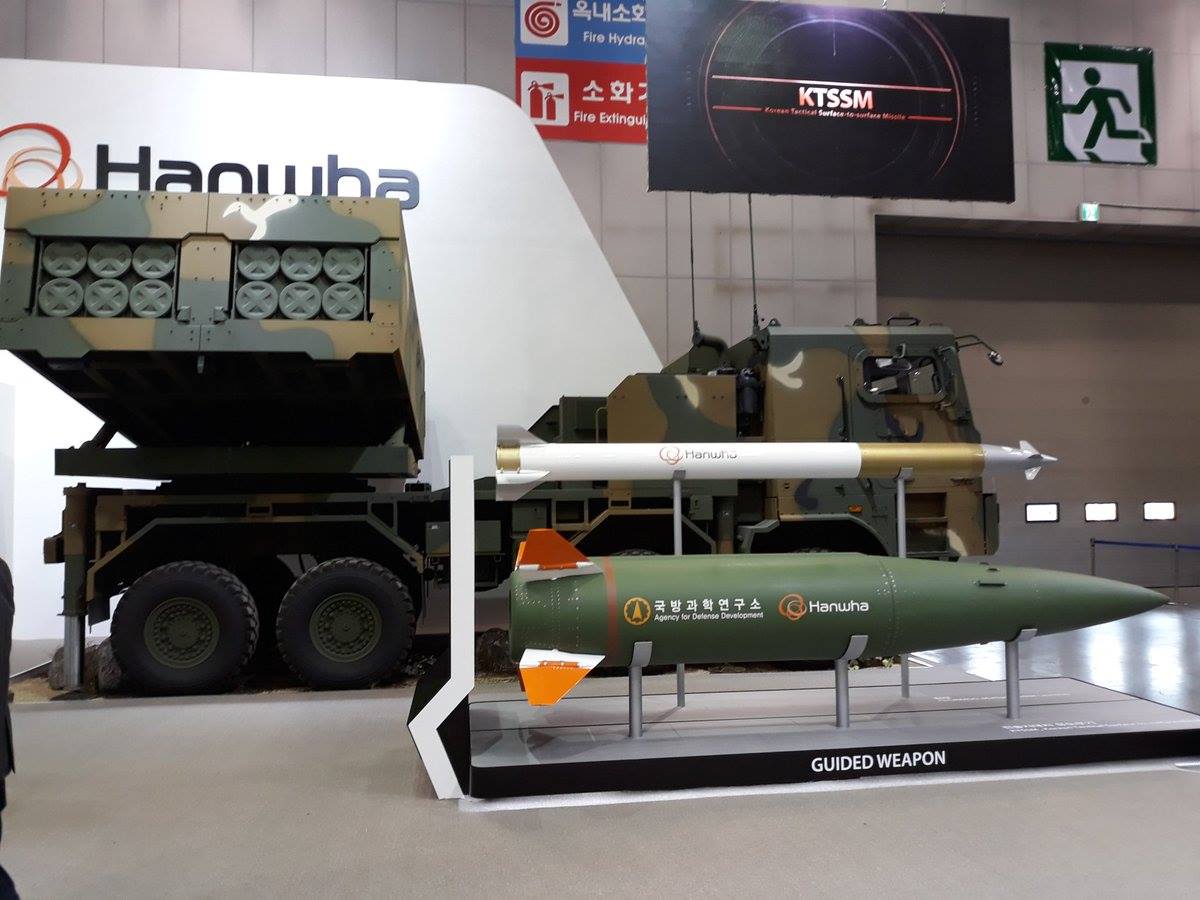
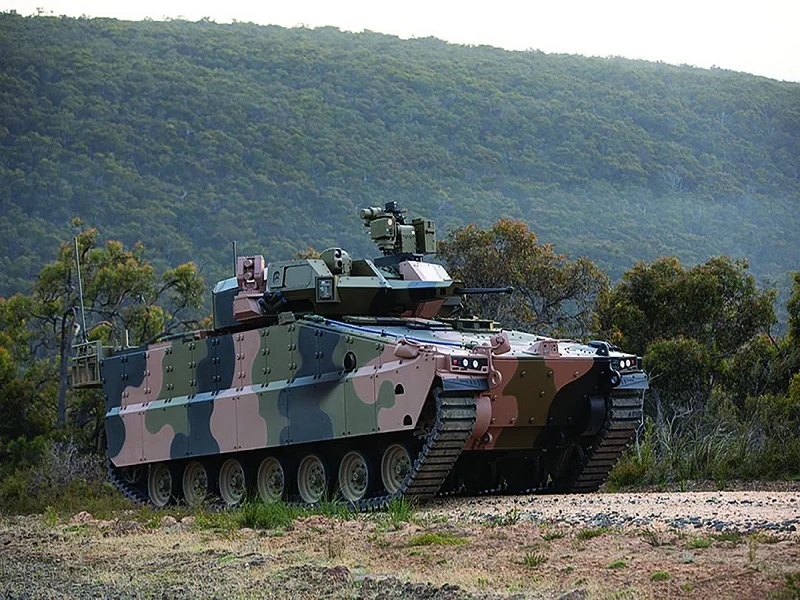
The company strengthened its position by acquiring Samsung Techwin’s defense division in 2015 and Doosan DST in 2016. Today, Hanwha produces some of its most successful export products: the 155mm K9 Thunder self-propelled howitzer and its K10 ammunition resupply vehicle, the K239 Chunmoo multiple launch rocket system, and the K21 infantry fighting vehicle, originally developed by Doosan.
In the heavy engineering sector, Hyundai Rotem (part of Hyundai Motor Group) plays a key role. The company specializes in tank production and wheeled armored vehicles. Its flagship product is the K2 Black Panther main battle tank, regarded as one of the most technologically advanced tanks in the world.
The company’s lineup also includes the K808 and K806 (WAV) family of wheeled armored personnel carriers. The aviation and missile segments are represented by KAI (Korea Aerospace Industries) and LIG Nex1.
KAI gained international recognition thanks to the FA-50 Fighting Eagle light combat aircraft and the development of the KF-21 Boramae fighter jet. LIG Nex1 focuses on air defense systems, including the KM-SAM (Cheongung II) surface-to-air missile system and precision-guided weapons.
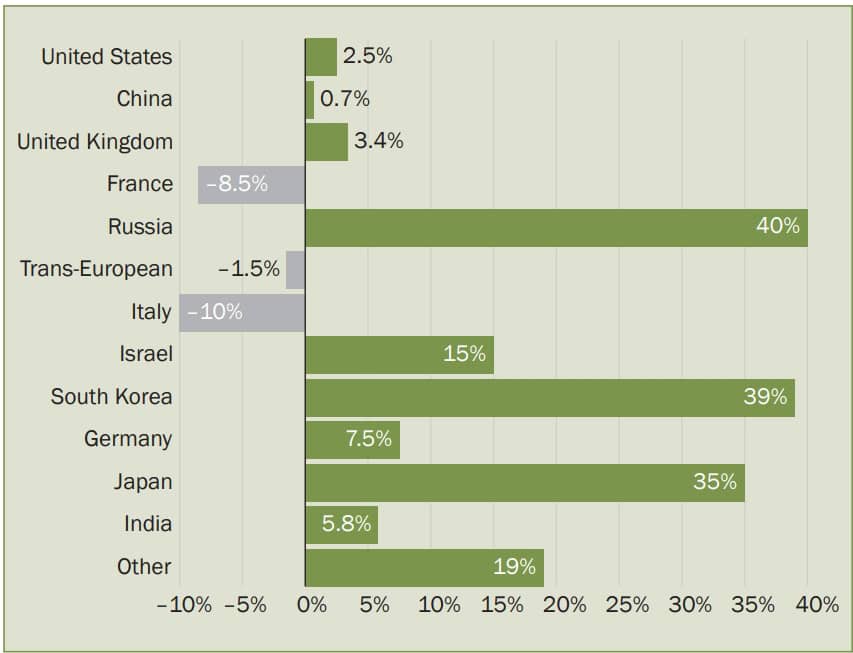
This “big four” effectively controls South Korea’s national defense production. Their large-scale export expansion, particularly contracts with Poland and countries in the Middle East, has driven rapid industry growth. According to SIPRI estimates, the combined revenue of leading Korean defense companies increased by nearly 30% in 2023–2024 alone.
Until 2022, South Korean weapons were something of a rarity in Europe, limited to isolated deliveries. The following years opened a “window of opportunity.” After Russia launched its full-scale invasion, NATO countries urgently needed to replace Soviet-era equipment that allies had transferred to Ukraine, as well as to modernize their own arsenals.
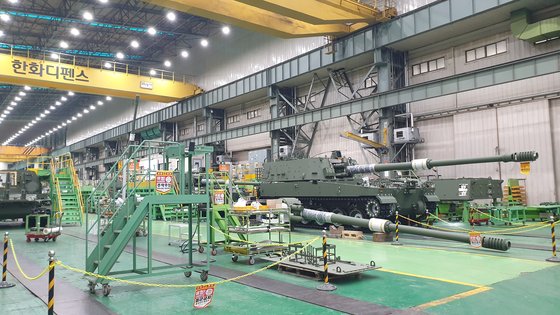
In these conditions, Korean manufacturers were able to rapidly scale up production. Their success was supported by historically high levels of factory automation and strong government backing. Notably, in 2024, Hanwha Aerospace earned more revenue from exports than from the domestic market for the first time.
SIPRI analysts note that the surge in European demand for weapons, driven by the need to replenish depleted stockpiles, allowed South Korean companies to make a major leap in the global market. In this race, Seoul moved ahead of its competitors.
Thanks to their willingness to offer flexible technology transfer arrangements, Korean companies have become more attractive than many traditional suppliers. As a result, between 2020 and 2024, South Korea’s arms exports more than doubled compared to the 2010–2014 period. From a regional player, South Korea has transformed into one of NATO’s leading suppliers of heavy weaponry, offering competitive prices and some of the shortest delivery times on the market.
Poland has become the largest European customer of South Korea’s defense industry. Since 2022, the two sides have signed a series of high-profile contracts worth tens of billions of dollars.
In the summer of 2022, the Polish defense group PGZ and Hanwha Aerospace signed a framework agreement for the delivery of 672 K9 Thunder self-propelled howitzers and K10 ammunition resupply vehicles.
In August 2022, the partners finalized the deal: a $2.4 billion export contract covering 212 K9PL units, along with training, logistics support, and a substantial ammunition stockpile.
Later, in December 2023, Warsaw expanded the order. A new $2.6 billion agreement added 152 more howitzers – including 6 upgraded K9A1 units and 146 K9PL systems to be assembled in Poland.
The cooperation plan also covers the involvement of Polish industrial facilities: Hanwha and PGZ are arranging licensing agreements and training personnel for local assembly of the equipment.
Cooperation in the tank sector has been equally extensive. Back in 2022, Poland and Hyundai Rotem signed a framework agreement for 180 K2 Black Panther main battle tanks, with the option to expand the order to as many as 1,000 units.
On August 1, 2025, Poland reaffirmed its partnership by ordering an additional 180 “Black Panthers” at a cost of approximately $6.5 billion. Under the agreement, the Korean manufacturer will deliver 116 K2GF (Gap Filler) tanks, while 64 K2PL tanks will be assembled in Poland by local specialists at the Bumar-Łabędy plant. Poland’s Minister of Defense stated that the country aims to bring domestic K2 production to full capacity between 2028 and 2030.
This will make Poland the largest operator of the K2 model within NATO. It is also worth noting that the 2022 agreement included the purchase of 48 FA-50 Fighting Eagle light combat aircraft (supplied by KAI) for the Polish Air Force. However, delays on the U.S. side are currently slowing the delivery of American-made missiles for these jets.
In addition, the two countries signed further agreements on technological cooperation. For example, Poland’s AHS Krab self-propelled howitzer was effectively built on the K9 chassis under a license from Hanwha.
In 2024, Poland also secured up to $8.5 billion in loans from Korean banks to finance additional defense purchases. This approach makes Warsaw not just a buyer, but a strategic partner of Seoul. By establishing domestic production lines for the K9, K2, and ammunition, Poland is rapidly strengthening its own defense industry.
Poland is not the only country actively purchasing Korean military equipment.
Since 2017, Norway has repeatedly expanded its fleet of K9 Thunder self-propelled howitzers, increasing the total number to 52 units. In September 2025, the country signed a contract for a third batch — 24 additional K9 systems (VIDAR version), scheduled for delivery by 2027.
The latest major agreement between the two sides concerns missile systems. In February 2026, Hanwha Aerospace signed a $922 million contract with Oslo for the delivery of 16 K239 Chunmoo launchers and precision-guided rockets.
Norway allocated approximately NOK 19 billion (around $2 billion) in its defense budget for new artillery systems. Nearly half of that amount will go directly to Chunmoo systems, while the remainder will fund the creation of European maintenance infrastructure, including workshops and training centers.
As analyst Jang Nam-hyeon noted, exports of the Chunmoo system to Europe are likely to grow, since developing a comparable system domestically would take European countries more than 20 years.
Finland has also placed its bet on Korean artillery. In 2017, the Finnish Army received its first 48 used K9 howitzers under a 2016 agreement, and by 2022, it had expanded the fleet to 90 units.
These systems were given the local designation Moukari (PSH K9 FIN) and fully integrated into Finland’s command-and-control systems. In addition, in 2023, leading Korean manufacturers presented the K2 Black Panther tank as part of a major Finnish procurement tender.
In September 2024, Romania signed a billion-dollar contract for 54 K9 Thunder self-propelled howitzers and 36 K10 ARV ammunition resupply vehicles. To fulfill this order, Hanwha Aerospace began construction in February 2026 of a large European assembly hub, H-ACE (Hanwha Armoured Vehicle Centre of Excellence), on Romanian territory. The 180,000 m² facility will combine assembly lines and testing facilities for military vehicles.
The project is expected to achieve a localization rate of up to 80% by involving over 30 local companies. Similarly, in recent years, Estonia has purchased several batteries of the K239 Chunmoo rocket system to strengthen its coastal defense, financing the acquisitions through the Estonian Centre for Defence Investments (ECDI).
France could join the list of unexpected buyers of Korean military equipment. On February 15, 2026, reports emerged that the French Army is considering acquiring South Korean K239 Chunmoo rocket systems as a temporary solution to enhance long-range strike capabilities. Previously, Paris had evaluated foreign alternatives, including the American M142 HIMARS and the Israeli PULS systems. However, a recent study by the French think tank IFRI (L’Institut français des relations internationales) favors Hanwha Aerospace’s K239 Chunmoo system.
This choice is driven by South Korea’s ability to ensure rapid delivery and its readiness to integrate Korean systems with French platforms. If a contract is signed, it will confirm Hanwha’s established dominance in the European long-range artillery market.
A key element of these agreements is not just the export of equipment, but also deep partnerships focused on local production. Poland, for example, has been actively pursuing a policy of “Polonization” of its defense industry. Hyundai Rotem established a consortium with the Polish company PGZ to license-assembly the K2 Black Panther tank in Poland. In September 2025, Hanwha Aerospace and Poland’s WB Group founded a joint venture to produce 239mm guided missiles (CGR-080 for the K239 Chunmoo system) at Polish facilities.
The 2023 agreement gives Warsaw the right to independently manufacture not only K9 Thunder howitzers, but also their ammunition and even engines. In the same year, Hanwha Aerospace and PGZ officially signed a licensing agreement for the future assembly of K9s in Poland.
Korean contracts are designed to account for these measures: for example, all Polish versions of the K9 ensure full compatibility with Poland’s internal Battle Management Systems. The construction of the H-ACE plant in Romania and the opening of Hanwha’s office in Warsaw aim to guarantee on-site maintenance for the new platforms.
Importantly, Korean conglomerates are making significant investments in European infrastructure. Hanwha Aerospace has already announced plans to build a facility in Poland to produce multi-cylindrical propellants (MCS) for artillery. The company previously opened an office in Warsaw to coordinate European projects. These steps accelerate the training of technical personnel and help establish a long-term service network within the EU.
Of course, this strategy faces challenges. The EU has already adopted new “green” regulations for securing defense supply chains (including the SAFE and EDIP directives). These rules restrict the procurement of weapons that contain components manufactured outside the European Union.
As a result, the long-term success of South Korea’s expansion depends on companies’ willingness to pursue even deeper localization. For now, however, South Korean suppliers have shown an ability to quickly fulfill large-scale orders and build strong partnerships. They have significantly shifted the balance of power in the European arms market. Even as the EU accelerates its own defense programs, NATO is likely to continue relying on Korean equipment as a reliable and fast way to modernize arsenals.
Historically, the European arms market has focused on complex, high-tech platforms with long development and production cycles. Companies like Rheinmetall, KNDS, and BAE Systems built their strategies on the assumption that European states would prioritize domestic products, even if delivery times were longer. However, Russia’s full-scale invasion of Ukraine created a “rapid rearmament” scenario, where speed of delivery became more important than political loyalty to European brands.
For example, the first batch of K2 Black Panther tanks arrived in Poland in December 2022, just three months after the agreement was finalized. By the end of 2024, Poland had received 84 of the 120 ordered units – a pace currently unattainable for most European production lines.
By comparison, European manufacturers such as KNDS plan to deliver 54 Leopard 2 tanks to Norway over a period of three to five years. This discrepancy in production scaling forces European companies to seek ways to intensify their manufacturing lines, which requires massive capital investment. Rheinmetall, for instance, invested around €8 billion in 2023–2024 in new factories and acquisitions (including Spanish Expal Systems) to reduce the gap in artillery and land systems production capacity.
The European Commission reacted to the rapid rise of non-European suppliers by introducing the European Defence Industrial Strategy (EDIS) in 2024. The document urges member states to spend “more, better, together, and in a European way.” For local manufacturers, this means stronger political support, but it also imposes higher efficiency requirements.
Key goals of EDIS and their impact on competition with South Korea:
However, European manufacturers face legal ambiguity: will Brussels recognize Korean-produced equipment assembled in Poland or Romania as “European” for the purposes of these incentives? This question is expected to spark intense lobbying in Brussels throughout 2025–2026. For now, Korean suppliers maintain an advantage through rapid delivery, but the new EU directives could significantly complicate their further expansion.
South Korea’s active expansion into Europe has fundamentally changed the rules of the arms market. For European manufacturers, this marks a shift from a “seller’s market” to a tough “buyer’s market,” where clients demand not only quality but also speed, deep localization, and financial flexibility.
To remain competitive by 2030, European industry must radically reduce delivery times. Without implementing modular production methods and full automation, companies will continue to lose tenders in the urgent rearmament market.
Meanwhile, European giants need to move beyond attempts to protect production solely within Germany or France. Instead, they should establish their own “centers of excellence” in Poland, Romania, and the Czech Republic to compete with Korean hubs on their own turf.
Simultaneously, it is crucial to fully leverage EU regulatory advantages. Active participation in the SAFE and EDIP programs will create reliable financial barriers against non-European competitors.
Moreover, European companies can take the initiative by acting as “senior partners” to Korean manufacturers. By facilitating the integration of foreign equipment into NATO’s complex networks, they can secure a share of the profits even when Korean platforms are chosen.
Ultimately, Korea’s entry into Europe represents not only a challenge but also a powerful stimulus for modernization. Companies that adopt Korean speed while combining it with European technological depth will lead the new defense landscape amid global instability.
Those who cling to outdated models risk becoming niche suppliers of components for “Korean systems produced in Europe.”
Підтримати нас можна через:
Приват: 5169 3351 0164 7408 PayPal - [email protected] Стати нашим патроном за лінком ⬇
Subscribe to our newsletter
or on ours Telegram
Thank you!!
You are subscribed to our newsletter