


Popular

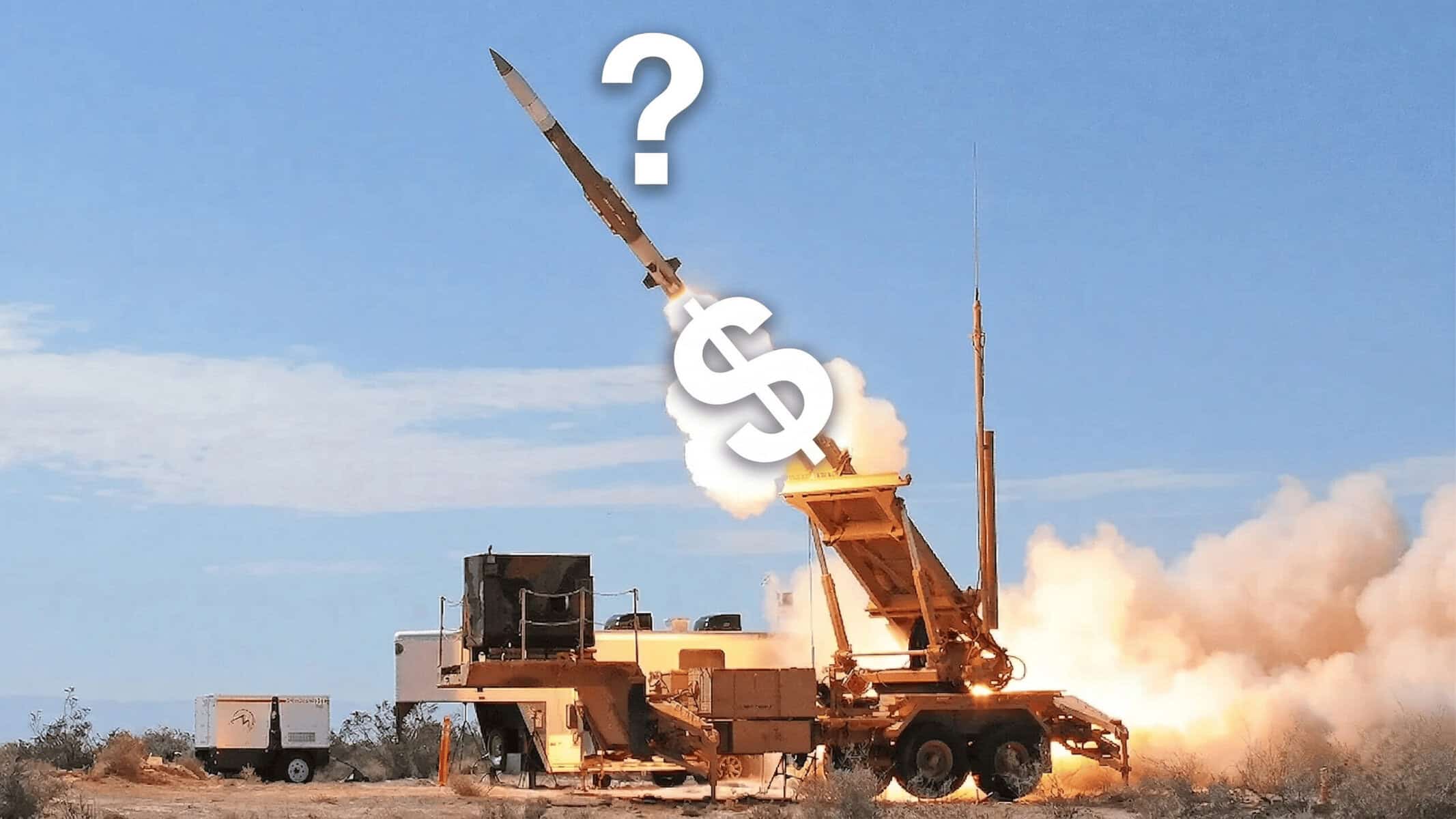
In a world where news about military contracts is often reduced to billion-dollar purchases and high-profile deals, there is a less visible but no less interesting layer – arms leasing. This phenomenon remains on the periphery of public discourse, although it is the way many countries ensure their defense capabilities, avoiding the costs of full-scale procurement and complex production localization programs.
Military equipment leasing is a rare yet fascinating topic. How do the mechanics of such agreements work? What political, technical, or strategic limitations are hidden behind the clauses of the contracts?
Using the examples of the Czech Republic, Hungary, India, and other countries, we will look at how the leasing of combat platforms has become a tool for saving money and geopolitical positioning. And how it intertwines technology, diplomacy, and strategy.
After the collapse of Czechoslovakia in 1993, the Czech Republic inherited a fleet of Soviet fighter jets – MiG-21, MiG-23, and MiG-29. However, even then, these aircraft were causing more and more problems: there was no infrastructure for their maintenance, and political instability in relations with Russia made it difficult to supply spare parts.
The 1995 deal was a turning point: all 10 existing MiG-29s were exchanged for 11 Polish W-3A Sokol helicopters. At the time, this seemed logical – the technical unsuitability of the fighter jets and the high cost of maintenance left no choice. By the end of the 1990s, the only combat aircraft left were MiG-21s, which no longer met either modern aviation requirements or NATO standards.
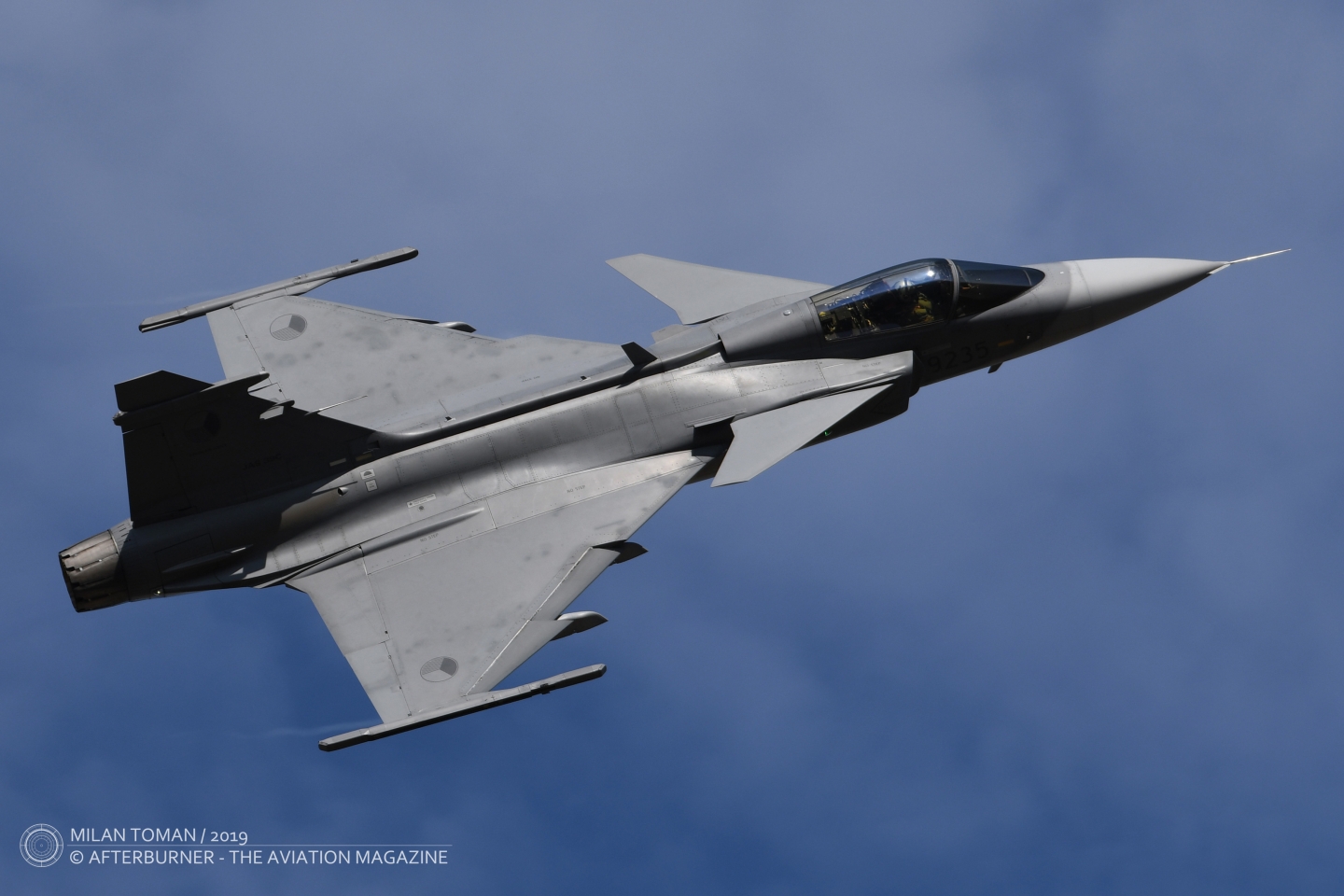
The country needed a complete upgrade of its fighter aircraft, but did not have the funds for it, so in 2004 it was decided to lease 14 JAS 39 Gripen multi-role fighters from Sweden for a 10-year period. The deal would cover 12 single-seaters and two double-seaters.
The total value of the contract was about $850 million. The package included not only the aircraft themselves, but also full maintenance, pilot, and aviation technician training.
The first Gripen arrived in the country in 2005, becoming part of the 211th Tactical Squadron stationed at Chaslav Air Base.
Soon after, it became apparent that the situation did not meet the expectations of the Czech Air Force, as the basic version of the software, known as MS18.5, limited the aircraft’s capabilities to using only the 27mm Mauser BK-27 onboard cannon and short-range AIM-9L Sidewinder missiles.
Therefore, in the same year, the Czechs decided to modernize the aircraft. The MS18.7 software was introduced, making integrating the AIM-120C-5 AMRAAM medium-range missiles possible. The Czech Republic paid for the modernization of Swedish aircraft, spending a total of about $30 million on the project.
It is reported that at the end of the first leasing contract, the aircraft had almost exhausted the flight time stipulated by the agreement, and this leads to an interesting fact: leased aircraft have a clearly defined maximum flight hours, which allows the Swedish side to control the rate of depletion of the aircraft’s resources. This way, Sweden has protected itself from a situation where the cost of repairing the leased aircraft would be higher than the profit received.
It is known that the restrictions are annual, but the exact number is unknown. In 2020, Czech specialized publications reported more than 2,100 hours of flight time. In the same year, the Czech Air Force crossed the 30,000-hour mark, the sum of flight hours of 14 aircraft over 15 years.
In 2024, the Czech Republic extended the lease until 2035 to ensure combat readiness for the arrival of new F-35As. The operation of the reduced fleet of 12 fighter jets cost the government $715 million. In addition to the aircraft themselves, this amount includes training and modernization, including upgrades to communications systems and introducing an air-to-air refueling system.
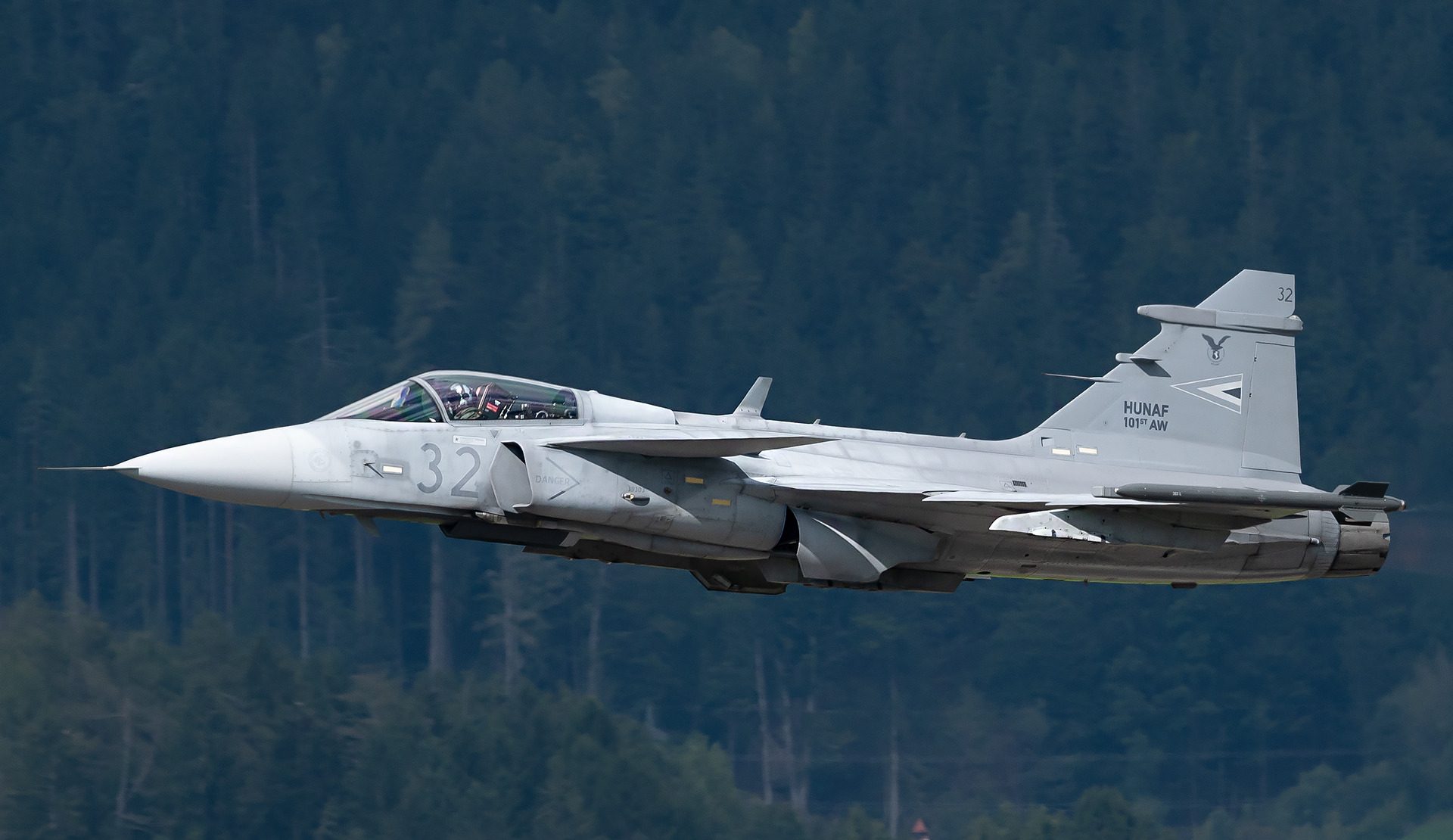
Hungary followed a similar path. Realizing the limited possibilities of modernizing the MiG-29, the country signed a lease agreement for 14 Gripen fighter jets. The contract was not only a defense contract, but also included a compensation package that, through investment and job creation, reduced the financial losses from the lease in the long run.
After two accidents in 2015, one of which was due to a technical malfunction, the parties revised the contract: they upgraded the aircraft to the MS20 standard and increased the annual flight hours to 2000 hours, a key point that allowed the Hungarian air force to be more active within NATO, in particular in Baltic Air Policing missions.
And here it is worth paying attention to another important aspect of the lease of combat systems – the right to use them in military operations. The leased aircraft remain the property of Sweden throughout the lease term, so the user country cannot transfer or use these aircraft in combat operations without the consent of the Swedish government.
However, practice shows that the agreements do not limit the use of the aircraft to the defense of their own country. As part of the Hungarian and Czech air forces, Swedish fighter jets took an active part in NATO exercises and patrol operations.
Another feature of leasing agreements is the possibility of purchasing leased aircraft at residual value. Thus, the current Hungarian leasing agreement will end with purchasing all leased aircraft in 2026. In addition, the country will also purchase four more aircraft.
While fighter jet leasing, looking back to the 20th century, is nothing new to history, India’s lease of nuclear submarines was the first precedent of its kind, thanks to its strategic partnership with the USSR and then Russia.
In 1988, India leased the K-43 Project 670 Stingray submarine, which was named INS Chakra in the Indian Navy. The lease lasted three years and allowed Indian sailors to train personnel to operate nuclear submarines.
There is a version online that, due to the significant risks, the leased vessel was constantly manned by a Soviet crew that controlled the reactor and missile compartments, where Indian sailors were denied access. However, retired Commodore Arun Kumar, who served on the boat from the beginning until its return to Russia, partially denied this in an interview with The Eurasian Times:
“The boat was fully maintained and operated by the Indian crew, and there were no restrictions on access to any compartment. There were a few [seven] Soviet specialists on board, but only because the boat was on loan.
He also stated that “the Indian design team had full access to the boat while it was in India, and there was no disagreement between the Indian and Soviet sides in this regard.”
Between 1989 and 1991, the K-43 returned to the Soviet Navy. Later, it was withdrawn from the fleet and sent for disposal in 2006.

In 2012, India leased from Russia the second nuclear submarine of Project 971, the Shchuka-B, which at the time of the contract was a Russian long-term construction project and was being completed with changes to the design. The boat was leased for 10 years and cost the Indian government about $1 billion.
The submarine, traditionally named INS Chakra II, received 533 mm caliber systems instead of the original 650 mm torpedo tubes and an arsenal of 40 torpedoes and underwater launchers. However, due to restrictions on the proliferation of missile technology, instead of the long-range S-10 Garnet cruise missiles, it received Club-S anti-ship missiles with a range of up to 300 km.
The submarine served less than the specified period – in 2020, an air cylinder exploded on board, which led to serious damage to the inner and outer hulls, as well as electronic and hydroacoustic equipment.
Interestingly, the hulls were repaired at shipbuilding facilities in India, which indicates a high level of access to Russian nuclear submarine technology for the Indian industry. Only after the repair was the boat delivered to Russia, where two years later, information appeared about the intentions to utilize it.
In 2019, India signed a new $3 billion contract with Russia to lease a nuclear submarine of the same design. The future Chakra III was supposed to undergo modernization in Severodvinsk and arrive in India in 2025, but its delivery has been delayed until at least 2028, probably due to international sanctions.
It is believed that the long experience of operating nuclear submarines has given the Indian Navy practical experience in operating such equipment and a major boost to its own nuclear submarine construction program. In 2009, the country launched its first nuclear-powered submarine, INS Arihant, which relied heavily on Russian technology.

These stories are vivid, but not the only examples of military equipment leases between governments of different countries. The United States can be called a quantitative leader in such agreements, having supplied arms to many countries in this way over the past decade.
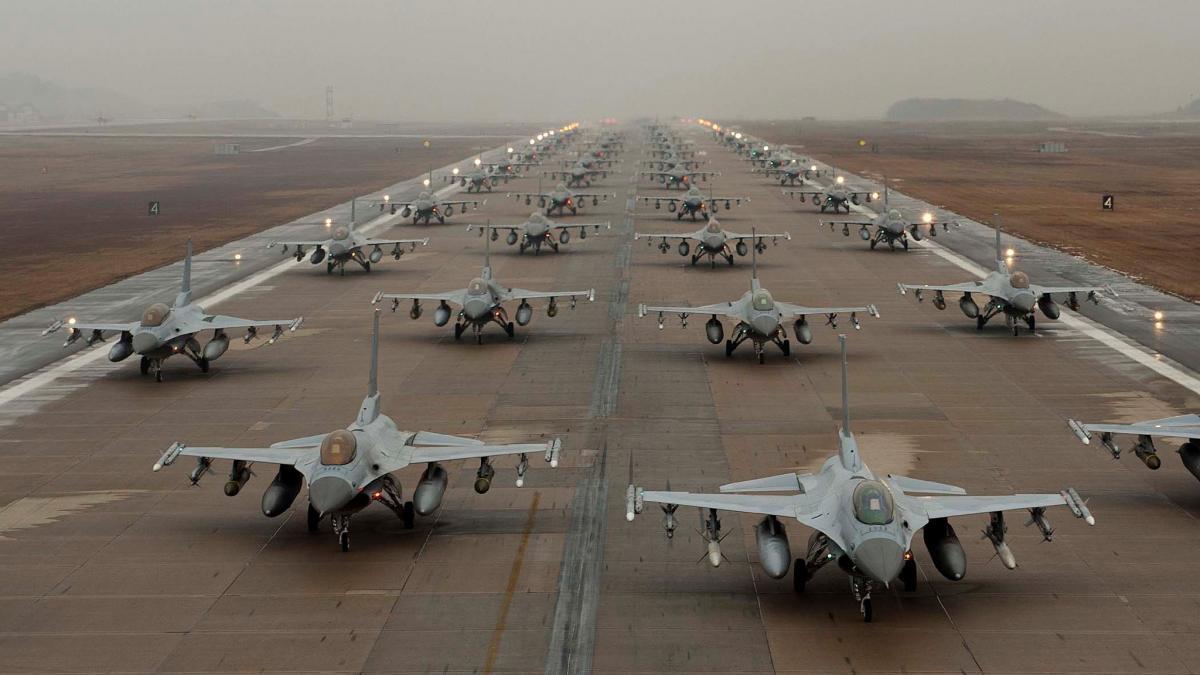
For example, the United States has been actively promoting its fighter jets abroad through the leasing system, supplying a batch of 16 supported F-16s to Jordan almost free of charge, with only the cost of modernization and overhauling the equipment.
Similarly, in 2001, Italy signed a lease agreement for 34 F-16 fighter jets to replace the British F-104 and 24 Tornados leased in the same way. All leased American fighters were returned in 2012.
In addition to fighter jets, the United States also actively leases MQ-1 and MQ-9 attack drones and specialized aircraft such as fuel tankers and patrol aircraft. For example, in 2018, Italy leased 3 P-3C Orion maritime patrol aircraft, costing the country $15-20 million annually.
All of the above-mentioned agreements are examples of legally “white” intergovernmental relations that can be tracked quite transparently online. However, there is also a “gray area” where military equipment and crews were transferred to other states through the mediation of private military companies.
A striking example of such agreements is the activity of the private organization Ibis Air, which leased combat aircraft, having a fleet of Mi-24 attack helicopters, Mi-8 multipurpose helicopters, two MiG-23 and MiG-27 fighter jets, and a Su-25 attack aircraft. It is reported that this equipment was leased for the operations of the South African PMC Executive Outcomes in Africa and defense organizations in Angola.
In addition to aircraft, Executive Outcomes used armored vehicles and light artillery. We should also mention the activities of other paramilitary groups, such as the Russian government-controlled Wagner company or the American Blackwater (now Academi), which used armored vehicles in operations in the Middle East and Africa.
Підтримати нас можна через:
Приват: 5169 3351 0164 7408 PayPal - [email protected] Стати нашим патроном за лінком ⬇
Subscribe to our newsletter
or on ours Telegram
Thank you!!
You are subscribed to our newsletter