

Opposition Leader: Russia Sent GRU Operatives to Hungary to Interfere in Elections

Opposition Leader: Russia Sent GRU Operatives to Hungary to Interfere in Elections
Hungarian Prime Minister Viktor Orbán during a meeting with Kremlin leader Vladimir Putin, Moscow, Russia, July 5, 2024. Photo credits: Orbán Viktor

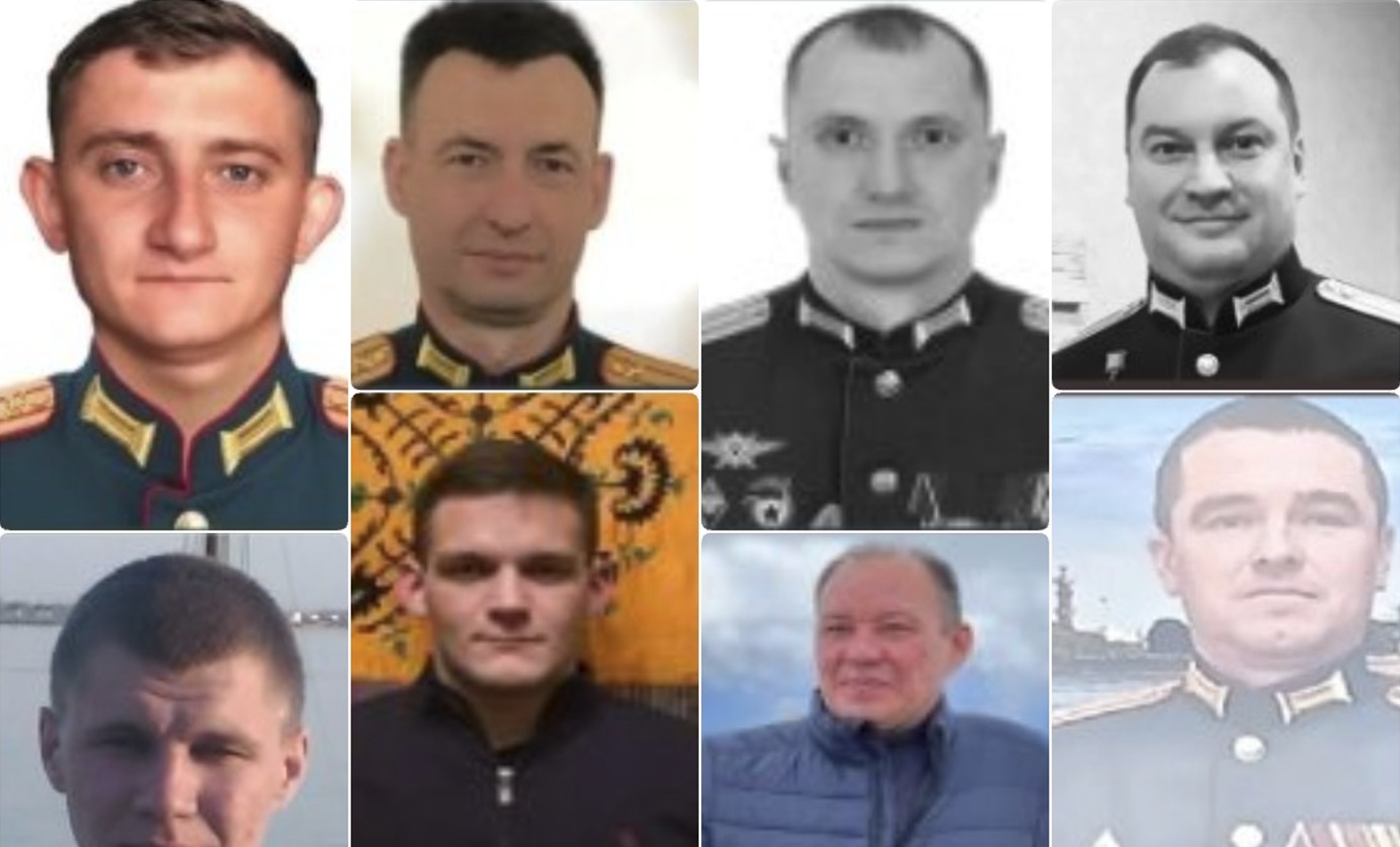
Officers of the Main Directorate of the General Staff of the Russian Armed Forces, formerly known as the GRU, arrived in Budapest several weeks ago in an attempt to influence the outcome of Hungary’s parliamentary elections scheduled for April 12.

DW reported on this, citing Peter Magyar, the leader of Hungary’s opposition TISZA party.

“We demand an immediate end to foreign interference in Hungary’s elections!” he said, adding that similar actions had previously been documented in Moldova.

The Hungarian politician called on Viktor Orbán to immediately stop this and expel Russian intelligence officers from the country who, he said, had arrived under diplomatic cover. He also demanded that Hungary’s National Security Committee be convened.

“I ask to be immediately informed about what information the Hungarian government has received from the intelligence services of allied countries regarding Russia’s interference, and why it has still not responded to these unprecedented actions,” the leader of the TISZA party added.

Péter Magyar, leader of Hungary’s opposition TISZA party. Photo credits: Péter Magyar

This confirms information from investigative journalists who, together with European security services, determined that Russia’s ruler, Vladimir Putin, instructed a group of political strategists and Russian military intelligence to interfere in Hungary’s parliamentary elections in April to secure a victory for incumbent Prime Minister Viktor Orbán.

According to sources, Putin tasked Sergey Kiriyenko, the first deputy head of the presidential administration, with handling Hungary. Kiriyenko is considered the architect of Russia’s political influence infrastructure, both domestically and abroad.

Kiriyenko was also behind the Russian interference campaign in Moldova’s 2024 presidential election. At the time, Russia used vote-buying networks, troll farms, and local activists to shape public opinion against pro-Western President Maia Sandu.

As of early March, Magyar’s center-right TISZA party is leading Prime Minister Viktor Orbán’s ruling Fidesz party in most opinion polls.

For example, a poll published by the news website 24.hu showed that 50% of decided voters support TISZA, while 38% support Fidesz. At the same time, about 20% of respondents said they still had not decided whom to support.

This poses a serious threat to the rule of pro-Russian Prime Minister Viktor Orbán, who could lose an election for the first time in 16 years.

To mobilize voters, the Hungarian authorities have once again gone into the election campaign under slogans about fighting an “external threat,” which, as in 2022, they have portrayed as “EU bureaucrats” and Ukraine.

In particular, by abusing its membership in the EU and NATO, Hungary has for years blocked decisions by these alliances regarding Ukraine, even in cases where agreements had already been reached in advance. For example, Hungary blocked a European Union decision to provide Ukraine with a €90-billion loan program despite prior approval.

Under the plan, of the €90 billion expected to be allocated in 2026–2027, €60 billion would go toward military support, which is critically important for ensuring Ukraine’s defense capabilities in both the short and long term.

Share this post:

SUPPORT MILITARNYI

PrivatBank ( Bank card )
5169 3351 0164 7408
Bank Account in UAH (IBAN)
UA043052990000026007015028783
ETH
0x6db6D0E7acCa3a5b5b09c461Ae480DF9A928d0a2
BTC
bc1qv58uev602j2twgxdtyv4z0mvly44ezq788kwsd
USDT
TMKUjnNbCN4Bv6Vvtyh7e3mnyz5QB9nu6V
Popular
Button Text