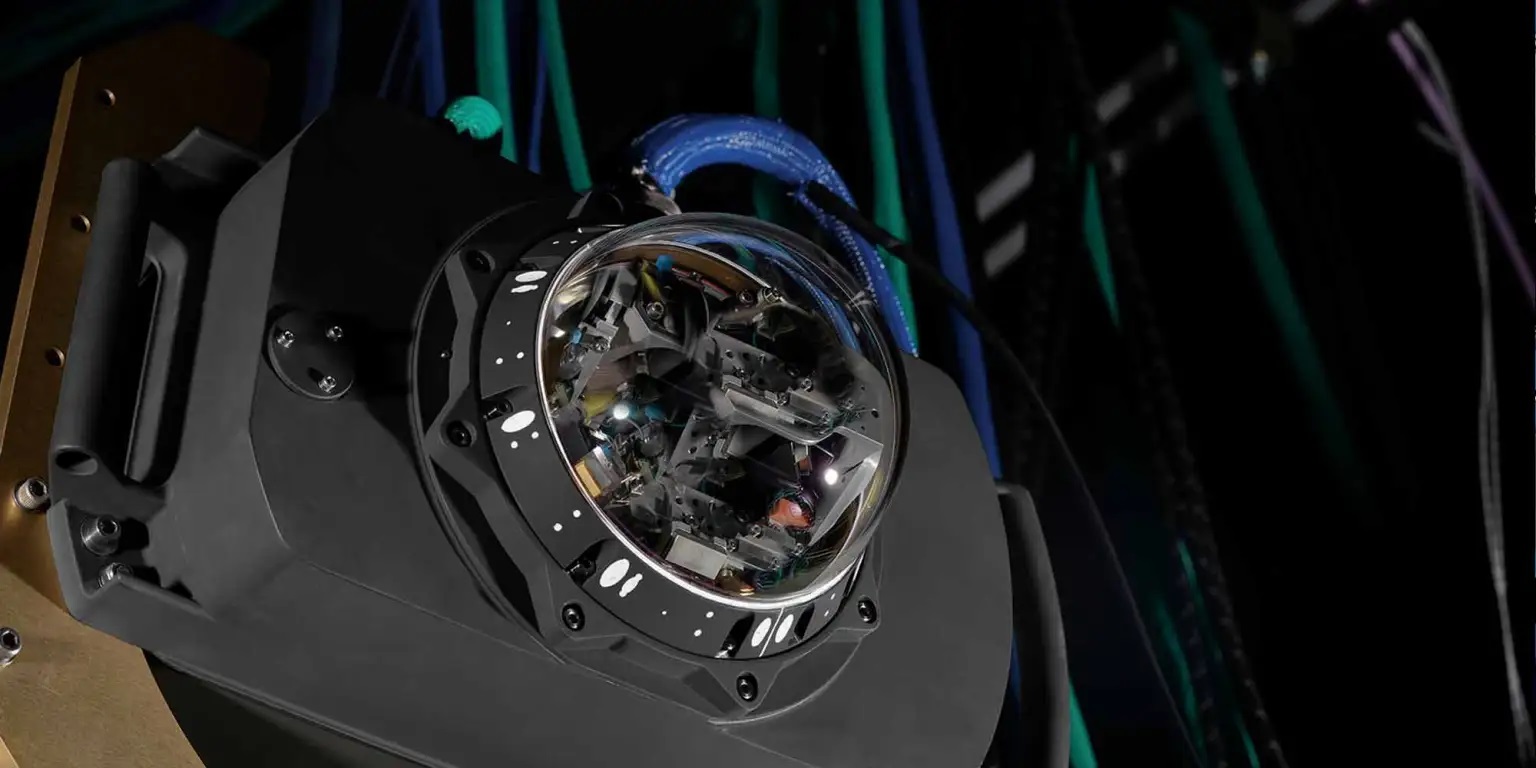
The U.S. Air Force has denied reports that new F-35A fighter jets are being delivered without onboard radars.
According to The War Zone, which cited an official U.S. military response, the Air Force confirmed that Lot 17 F-35A aircraft are currently being supplied with AN/APG-81 radar systems.
“Lot 17 F-35A aircraft are being delivered to the U.S. Air Force with AN/APG-81 radars,” a U.S. Air Force spokesperson told The War Zone.
Previously, Defense Daily claimed that beginning in June 2025, F-35A jets were being delivered without radars.
The journalist claimed that the reason was the lack of readiness of the new AN/APG-85 radar systems, which were planned for use in the latest production batches of the fighter.
According to the media, developers had not completed work on the AN/APG-85, and the older AN/APG-81 version allegedly could not be installed due to modified mounting points.
The publication’s sources claimed that, to maintain proper balance, weight ballast was being installed on the aircraft instead of radars.
Meanwhile, photos of an F-35A fighter fitted with metal disc-shaped weights started circulating online, presented as supposed evidence that the aircraft was being delivered without radars.
Photos of an F-35A fighter fitted with weight ballast instead of a radar, circulated online as “proof” of problems with the new aircraft, actually show a training airframe used by emergency response crews.
This aircraft is not part of the new production batches of the fighter jet.
The photo shows the first-of-its-kind Course for Damaged Disabled Aircraft Recovery (CDDAR), held at Hill Air Force Base in Utah.
A decommissioned F-35A airframe was used to train personnel.
This aircraft sustained significant damage in 2016 due to an engine fire while stationed at Mountain Home Air Force Base.
Because the cost of repairs was deemed excessive, the aircraft was written off and later converted into a training platform.
Specialists from the 388th Maintenance Group, together with the F-35 Joint Program Office, assembled the aircraft over three weeks using parts that had been stored in depots.
The training platform is used to practice scenarios that cannot be performed on operational aircraft due to the high risk of damage.
In particular, during the five-day course, 29 technicians from the United States and partner countries practiced:
It was precisely to simulate the aircraft’s actual weight and center of gravity during such operations that weight ballast was installed on this training airframe, which ultimately led to false reports.
Підтримати нас можна через:
Приват: 5169 3351 0164 7408 PayPal - [email protected] Стати нашим патроном за лінком ⬇
Subscribe to our newsletter
or on ours Telegram
Thank you!!
You are subscribed to our newsletter