Blood on the Blueprints: Whose Technology Helps Russia Make Its Missiles

Blood on the Blueprints: Whose Technology Helps Russia Make Its Missiles

Despite sanctions, Russia still manages to get modern foreign tech and equipment through leasing deals. These deals are basically long-term rentals with an option to buy. The equipment has a dual purpose and is used by factories in the Russian military industry. These goods are mainly designed for civilian enterprises, but they can also be used to make weapons, components for them, and reconnaissance and surveillance devices. This is how the aggressor keeps its military industry afloat. The database of the Defence Intelligence of the Ministry of Defense of Ukraine already contains 50 samples of equipment supplied to Russia under such schemes.

Leasing thanks to “partners”

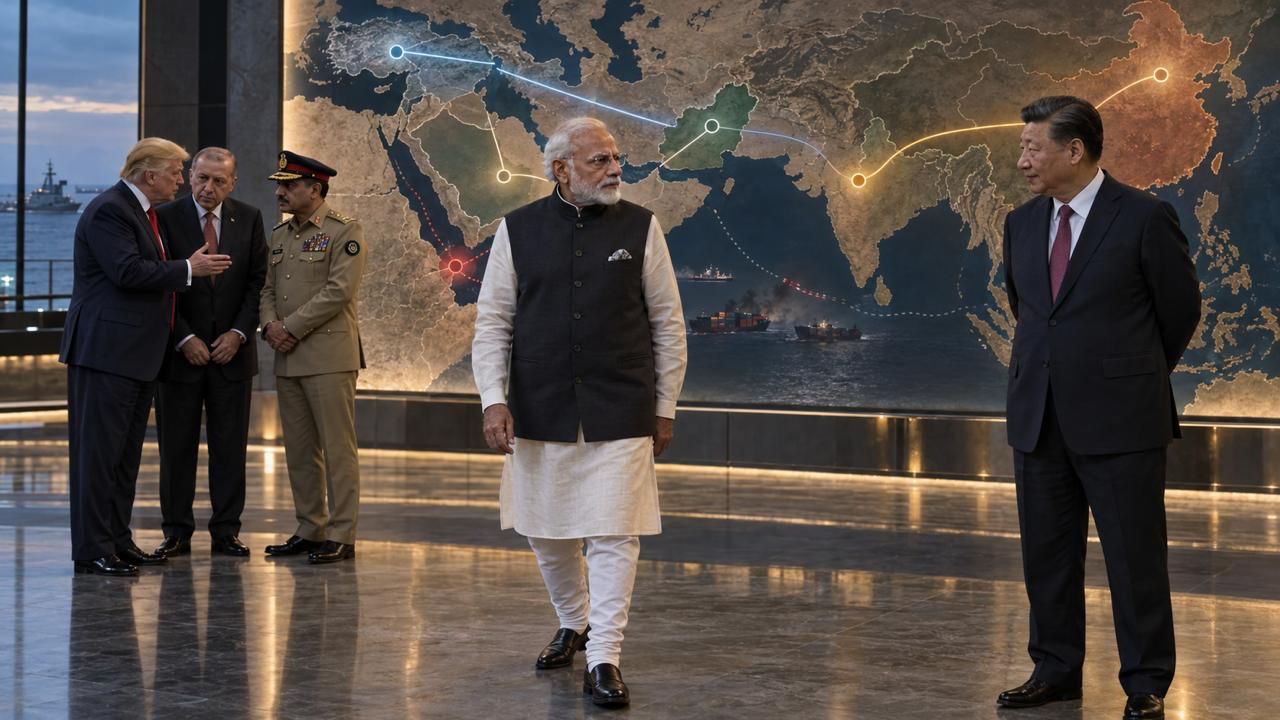
To circumvent sanctions on the purchase of machine tools and microelectronics, Russia actively uses a network of fictitious leasing companies in jurisdictions that have not joined the sanctions. According to the current list of the US Department of the Treasury, Russia is being assisted by countries such as Kazakhstan, Kyrgyzstan, the United Arab Emirates, Turkey, China, India, Taiwan, Tajikistan, and Uzbekistan. The United States imposed additional sanctions on some of these jurisdictions in September 2025.

The typical scheme works as follows: a machine tool is purchased ostensibly for lease to Russian companies and registered as something “peaceful” that does not require export control. Once the equipment crosses the border, it remains in Russia forever.

Manufacturers may not even know that their equipment is being used to kill Ukrainians, because the Russians turn off GPS trackers or bring the equipment to factories in parts and assemble it on site, breaking the access codes.

Russia is in critical need of Western technology, particularly machine tools and lathes, because “domestic” machine tool manufacturing is unable to provide the precision and quality required for the production of sophisticated weapons. Not to mention speed — the Russian military industry is only increasing its production rates.

Machines of war

Among the 50 pieces of equipment published on the DIU website, three machines are particularly important for Russian weapons production. They come from the Czech Republic, the US, and China.

For example, the Russians got their hands on Czech waterjet cutting machines. They are used to cut specific materials such as titanium, alloys, or composites, thus avoiding thermal impact on the metal. In the context of the war against Ukraine, they are used in the production of strategic missile forces.

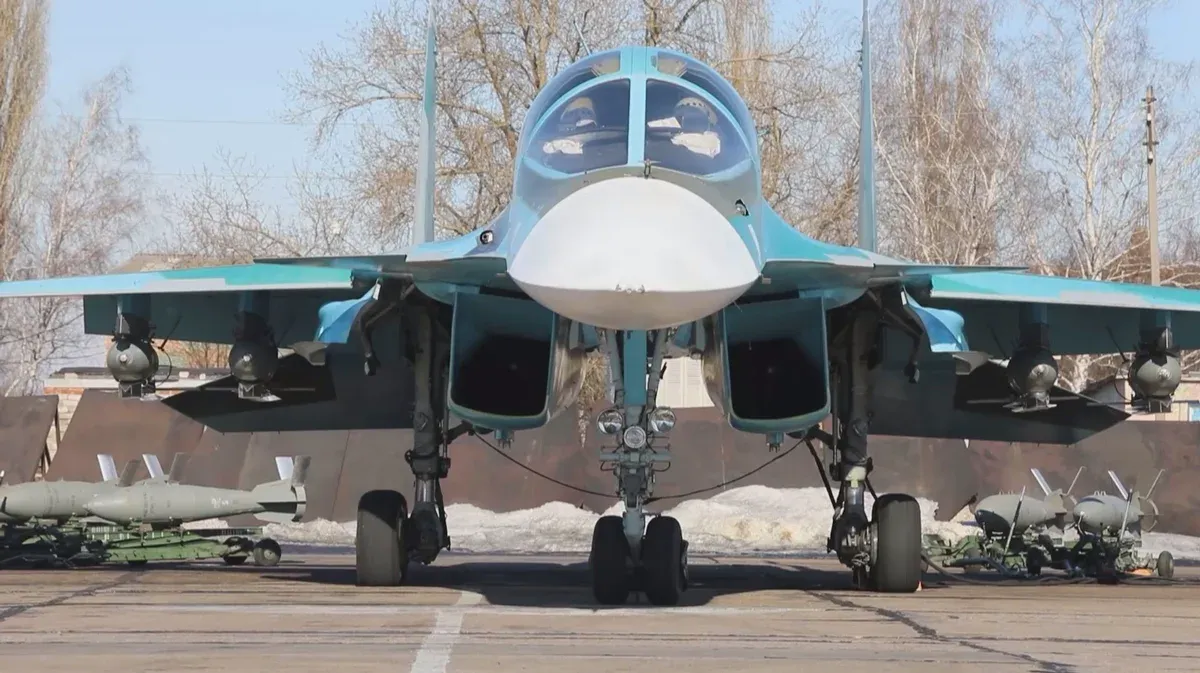
Meanwhile, the American JVM-360LS CNC milling machine in the hands of Russian military engineers has been turned into a manufacturer of parts for X-101 missiles, which are launched by Russian strategic bombers on peaceful Ukrainian cities (manufacturer: MKB Raduga). These are primarily engine and hull components.

And, of course, China’s “brotherly assistance” is indispensable. TAYU Machinery, a company that manufactures high-pressure plastic molding equipment, which produces ultra-strong polymers, has distinguished itself in this regard. This is necessary so that Russian round-the-clock reconnaissance has thermal imaging sights and guidance systems (again, to strike more accurately with missiles and artillery).

Continued sanctions pressure

The next logical question is: what can be done to cut off the Russian military industry’s “oxygen”?

These 50 “exposed” machines are just a drop in the ocean. In 2023, Russia imported more than 300 units of such equipment for the production of weapons and artillery ammunition from Germany via third countries. And this, mind you, in a country under active sanctions!

Such modern machines are installed at the Kamaz, Parsek, and other factories that manufacture products for the aggressor’s army. It is difficult to completely block these supply chains, as not all stages can be controlled. But Ukrainian special services continue to monitor them and report on new “loopholes.”

In the summer of 2025, Kyiv provided its foreign partners with a list of companies that supply machine tools to Russia, requesting that sanctions be imposed on them.

President Volodymyr Zelenskyy then listed in a statement: “15 companies from Taiwan, 13 from Germany, 8 from the Czech Republic, 6 from South Korea, three companies from Japan, and one American company that ‘supplies some components’. In total, the Foreign Intelligence Service sent information to 26 countries. The President stressed that modern technology can be remotely shut down when it ends up in a sanctioned territory.

On January 4, 2026, Ukraine announced sanctions against 95 individuals and 70 companies involved in supplying products to the Russian military industry. This applies to electronic warfare equipment, microelectronics and communications, as well as metallurgical plants, to slow down the Russian military machine.

These steps are aimed at further isolating the aggressor and disrupting the supply chains of critical components.

Since many Russian companies involved in weapons production are not yet under sanctions (to assemble Oreshnik, Russia needs 39 companies, 21 of which are still not under restrictions), pressure on Russia must continue until the enemy’s military industry’s potential is systematically depleted.

Share this post:

SUPPORT MILITARNYI

PrivatBank ( Bank card )
5169 3351 0164 7408
Bank Account in UAH (IBAN)
UA043052990000026007015028783
ETH
0x6db6D0E7acCa3a5b5b09c461Ae480DF9A928d0a2
BTC
bc1qv58uev602j2twgxdtyv4z0mvly44ezq788kwsd
USDT
TMKUjnNbCN4Bv6Vvtyh7e3mnyz5QB9nu6V