


Popular
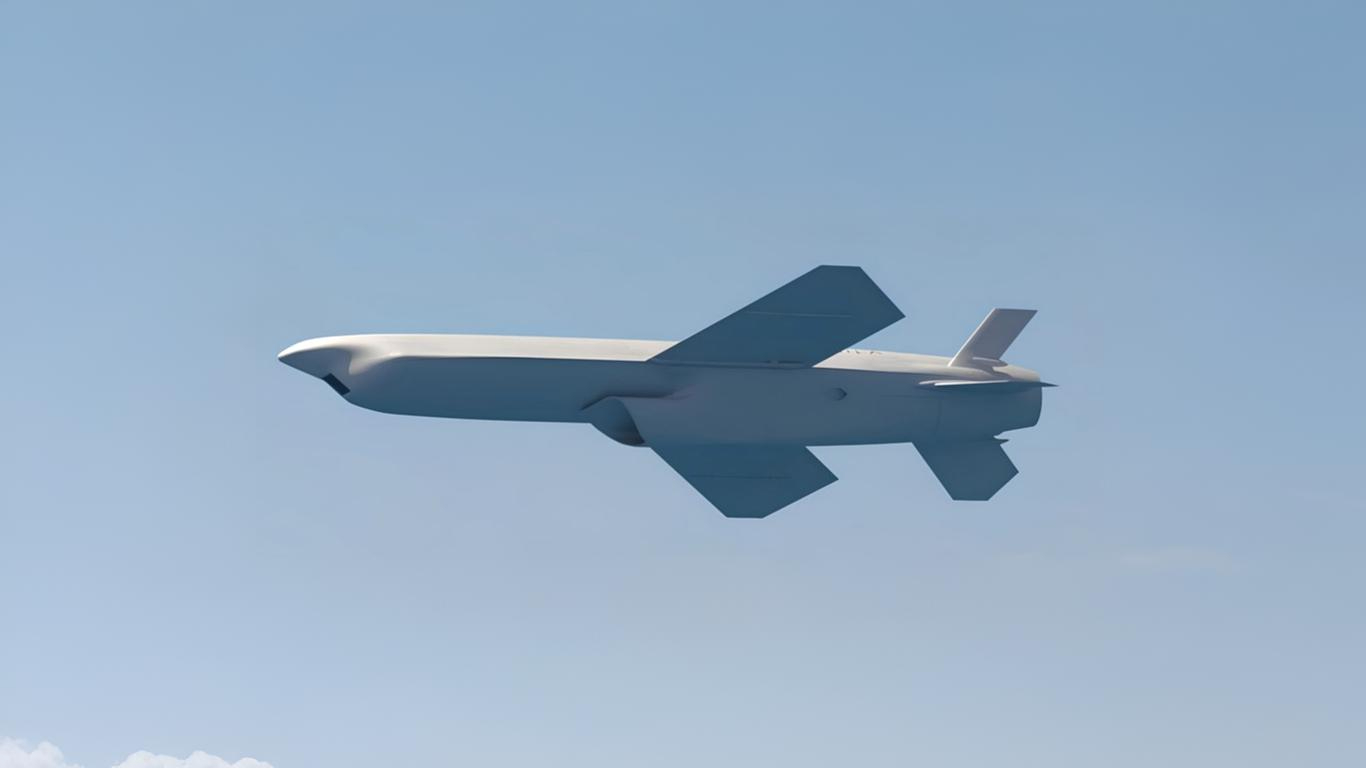
At the Technology Symposium held on November 11-12 last year, Kawasaki Heavy Industries presented the results of its work on developing a prototype cruise missile to test critical technologies.
The results were published on the Agency for Procurement, Technology, and Logistics (ATLA) website.
The company has developed and tested a prototype of the missile, which media outlets are already calling Japan’s Tomahawk missile.
The primary objective of the project is to develop a versatile platform capable of carrying a variety of warheads, including a fragmentation-HE (high-explosive) warhead for engaging ships and ground targets, and compatible with different guidance systems.
Moreover, the platform is designed to accommodate configurations for electronic warfare (EW) systems, electronic countermeasures (ECM), reconnaissance payloads, and specialized warheads intended for penetrating bunkers and hardened command centers.

The propulsion system will be the turbofan engine XKJ-301-1 (KJ-301), which will provide a missile flight range of over 1000 km. According to statements from Japan’s Ministry of Defense officials, the new missile will have a range twice that of the existing 12SSM-ER missiles. This will enable it to engage targets at distances between 1500 and 2500 km.
Kawasaki first demonstrated KJ-301 at the end of 2024.
With an overall length of 950 mm and a diameter of 350 mm, the system’s bare weight is just 90 kg. Despite its light weight, the engine produces a thrust of 365 kgf, approximately 3.58 kN. These characteristics provide the missile with a high subsonic speed.
One notable innovation is the use of a new integrated program to execute anti-missile maneuvers.

According to Kawasaki representatives, the system is designed to enhance the missile’s survivability at ranges within the effective engagement zone of close-in ship defense systems, such as the American Phalanx or the Russian AK-630 naval CIWS (Close-In Weapon System).
Despite the work carried out, the demonstrated missile will not be adopted by the Japan Self-Defense Forces, as company representatives have repeatedly stated.
Meanwhile, the project will serve as a technology demonstrator, with the technologies developed later to be utilized in the creation of a new cruise missile, planned for procurement by Japan’s Ministry of Defense as a potential alternative to the American Tomahawk missiles.
Additionally, the company demonstrated missile tests with an installed booster for launch from vertical launch systems.
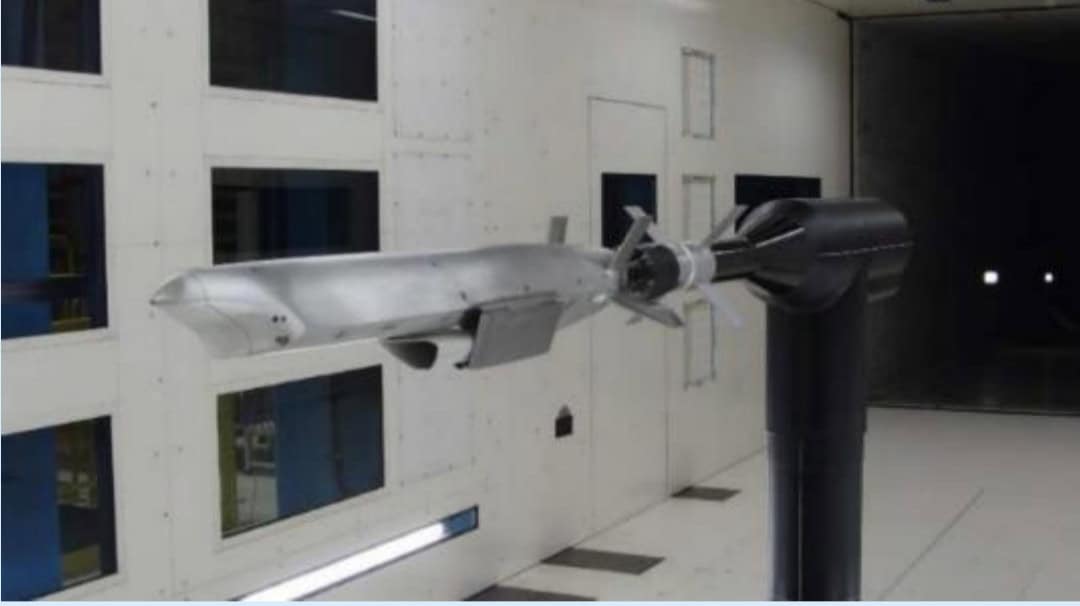
Since the end of 2024, Japan’s Ministry of Defense has begun developing a new cruise missile as a national alternative to the American Tomahawk.
The exact timeline for completing development has not been disclosed, but it is expected to fall between 2030 and 2033.
In the future, the new missile will be used alongside the already adopted 12SSM-ER missiles, which are currently in service with ground-based anti-ship units and are being procured for equipping surface ships, submarines, and aircraft, including both combat and patrol types.
The missile from Kawasaki will meet the needs of three branches of the military, ensuring weapon standardization and expanding the capability to strike targets at long range.
Militarnyi previously reported that Japan allocated funding for hypersonic missile production in the 2026 defense budget.
Підтримати нас можна через:
Приват: 5169 3351 0164 7408 PayPal - [email protected] Стати нашим патроном за лінком ⬇
Subscribe to our newsletter
or on ours Telegram
Thank you!!
You are subscribed to our newsletter