Russia has failed to adapt the Arena-M active protection system (APS) to intercept FPV drones because of shortcomings in its radar technology.
Defence Blog reported on this, citing Russian military analysts.
Russian defense expert Viktor Murakhovsky discussed the issues with the components of the Arena-M APS in his technical commentary.
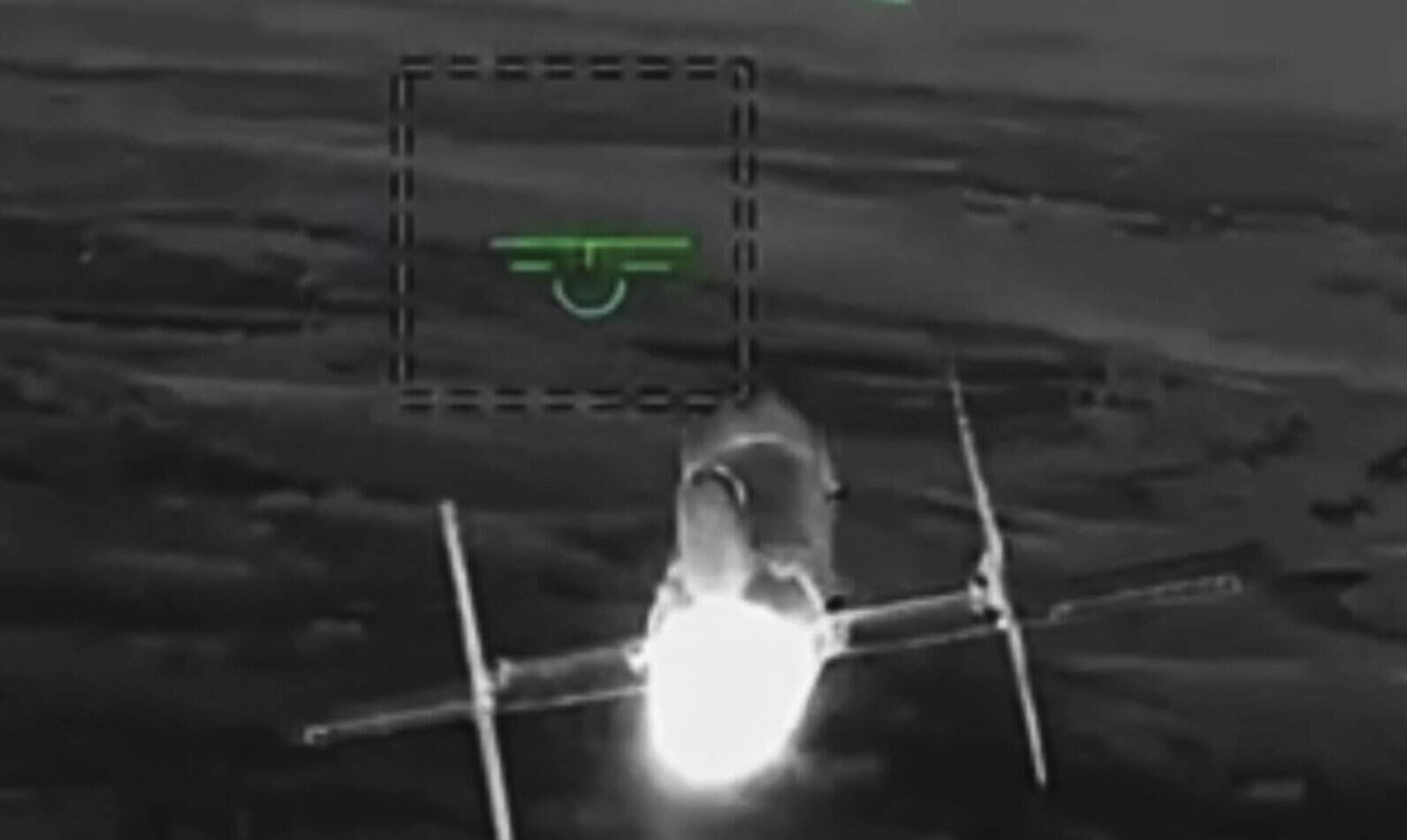
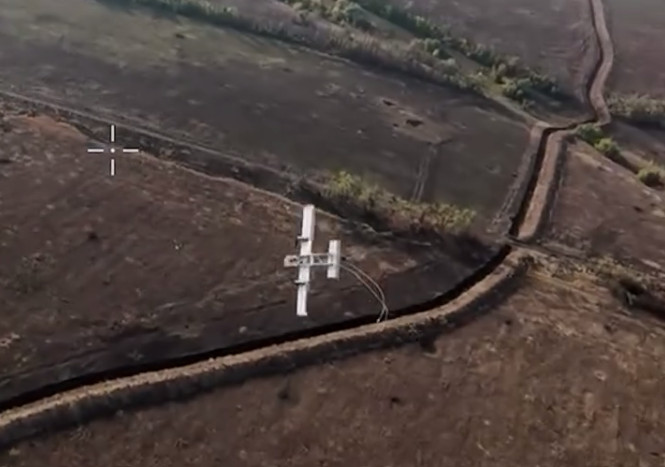
According to him, the latest stage of development was aimed at expanding the range of targets the system can detect and engage, including small UAVs and strike FPV drones. However, Murakhovsky stated that engineers encountered a fundamental problem with the system’s radar operation.
Murakhovsky noted that the radar struggles to detect and classify small, low-visibility targets, particularly mini- and micro-drones made of radio-transparent materials such as plastic. He wrote that, at the current known level of Russian radar technology, such detection capabilities “have not yet been achieved.”
According to him, the radar is unable to distinguish small airborne objects from ground clutter at short distances, which remains a critical limitation.
In addition, the detection, tracking, and target prioritization algorithms, he said, are still not advanced enough to handle drones that move unpredictably and at low speeds.
According to Murakhovsky, the methods traditionally used in air defense radar – particularly Doppler detection and moving target indication – are ineffective against drones with a very small radar cross-section and low speed, mainly when they operate near terrain features or at very low altitudes.
Meanwhile, military vehicle historian Andrey Tarasenko questions the claim that the problems are caused specifically by the “low visibility” of FPV drones, since all of them are equipped with metal warheads. This, he suggests, may indicate far more serious issues with the system’s radars than Russian sources admit.
“Okay, the radar can’t detect an FPV drone – small and slow-moving – even at close range. But it doesn’t have to, because a drone without a payload poses no threat to a tank. And the payload will always be an HEAT (anti-tank grenade, editor’s note) or something similar, which necessarily contains metal. They can’t detect not just the drone itself – but even a drone with an HEAT warhead,” he wrote on his Telegram channel.
The Arena-M active protection system and its earlier variants have been developed in various forms since the late Soviet period. Although Russia has repeatedly showcased the system and announced plans for large-scale deployment, serial integration into frontline units has never taken place.
It is reported that Russian engineers have been working on integrating the Arena-M APS into T-72B3 and T-90M tanks since at least 2019. In 2024, a few T-72B3 and T-90M tanks equipped with these systems were spotted. Despite announcements about sending T-72 tanks with APS to the front, they never made it there – instead, they were used in the filming of a propaganda movie.
Підтримати нас можна через:
Приват: 5169 3351 0164 7408 PayPal - [email protected] Стати нашим патроном за лінком ⬇
Subscribe to our newsletter
or on ours Telegram
Thank you!!
You are subscribed to our newsletter