


Popular

A Russian medium-range ballistic missile system Oreshnik (Kedr) has been deployed on the territory of Belarus.
This was reported by Russian and Belarusian media, citing a statement by the Belarusian Foreign Minister.
According to him, the deployment of the complex is allegedly necessary in order to “ensure their own security” and is not a sign of an arms race or escalation of confrontation.
Back on September 25th, self-proclaimed President Alexander Lukashenko announced the deployment of the system on Belarusian territory.
It is not yet known whether it is equipped with nuclear warheads. There has been no reaction from neighboring states, including Ukraine.
Back in December last year, Lukashenko announced his own intentions and Russia’s readiness to deploy Oreshnik missiles in Belarus at former Soviet sites where strategic nuclear complexes were deployed during the Soviet era.
The deployment was scheduled to be completed by the end of this year, and the current announcement is likely to indicate that these plans are being realized.
It is known that the Russian intermediate-range ballistic missile is developed on the basis of the RS-26 Rubezh.
The Defence Intelligence of Ukraine has detailed that the real name of the complex is not Oreshnik but Kedr.
The missile was equipped with six warheads: each warhead was equipped with six submunitions. The speed on the final section of the trajectory is over 11 machs.
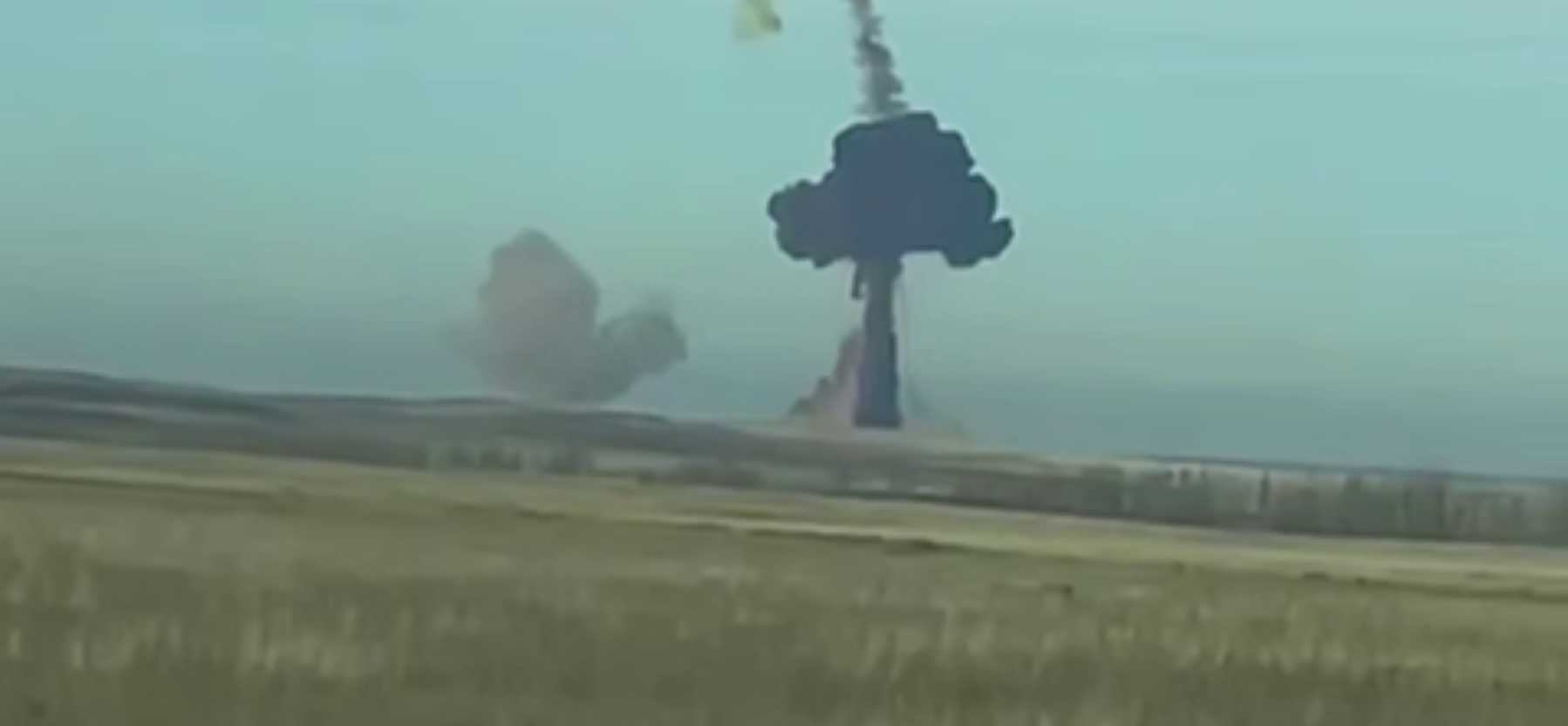
The tests of the Kedr missile system took place at the Kapustyn Yar test site in October 2023 and June 2024.
As a reminder, in August 2019, the Intermediate-Range Nuclear Forces Treaty (INF Treaty) between the United States and Russia expired.
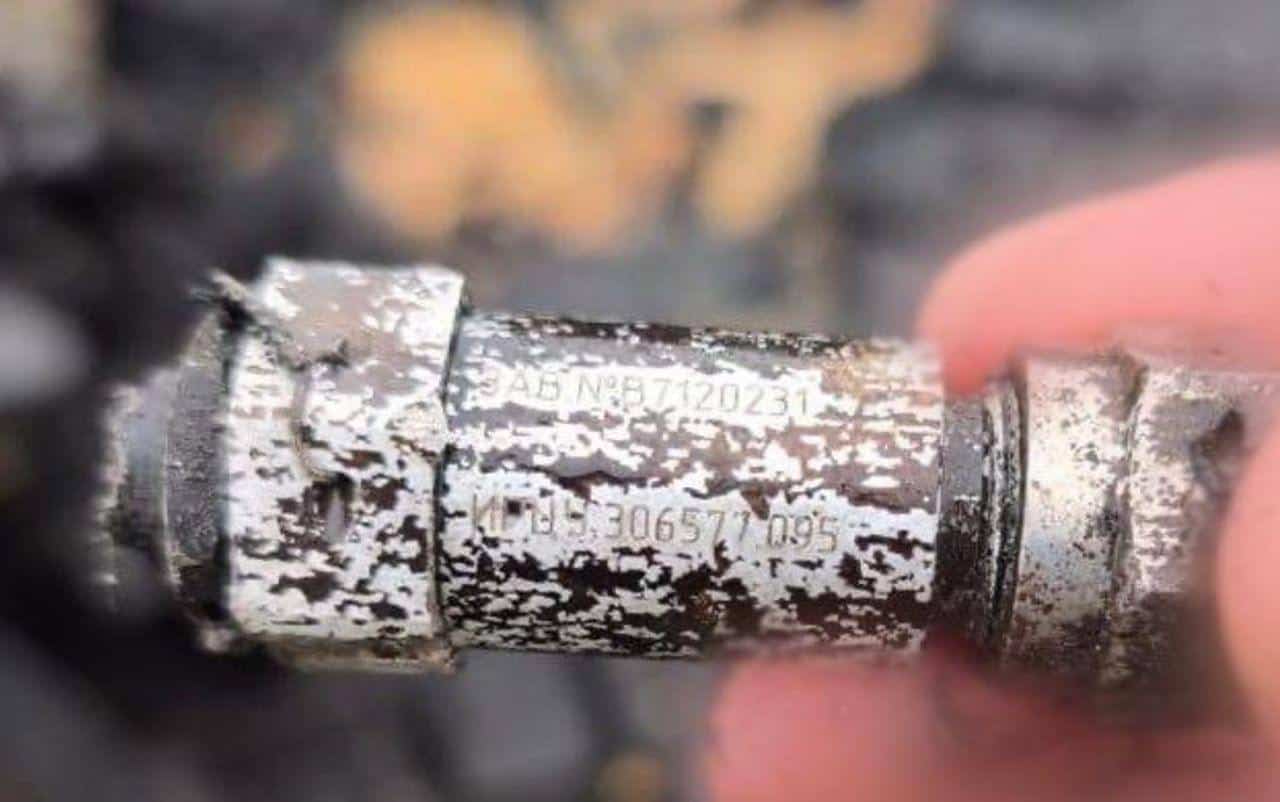
This treaty, as well as the START III Strategic Arms Reduction Treaty between Russia and the United States, are the two key documents that control the nuclear weapons of the two largest nuclear powers in the world.
The United States and NATO have repeatedly accused Russia of violating the terms of the missile treaty and developing nuclear weapons, including the 9M729 or SSC-8 missile, which, according to NATO, has a range of about 1,500 kilometers.
The INF Treaty banned the United States and the then USSR, which was succeeded by Russia, from possessing, producing, and putting on alert a whole class of missiles with a range of 500 to 5,500 kilometers. The United States first accused Russia of violating it in 2014.
Підтримати нас можна через:
Приват: 5169 3351 0164 7408 PayPal - [email protected] Стати нашим патроном за лінком ⬇
Subscribe to our newsletter
or on ours Telegram
Thank you!!
You are subscribed to our newsletter